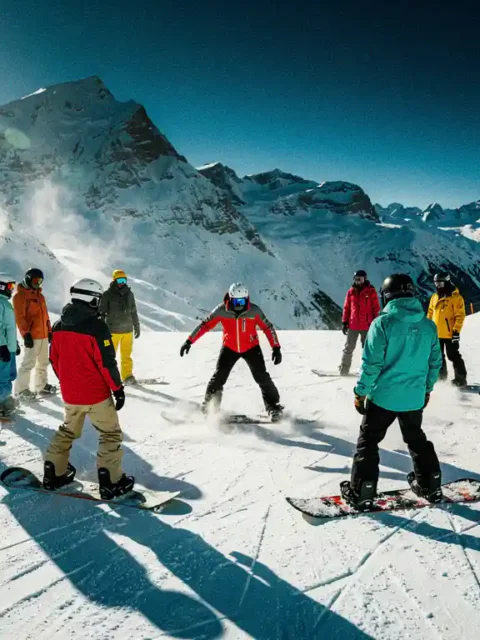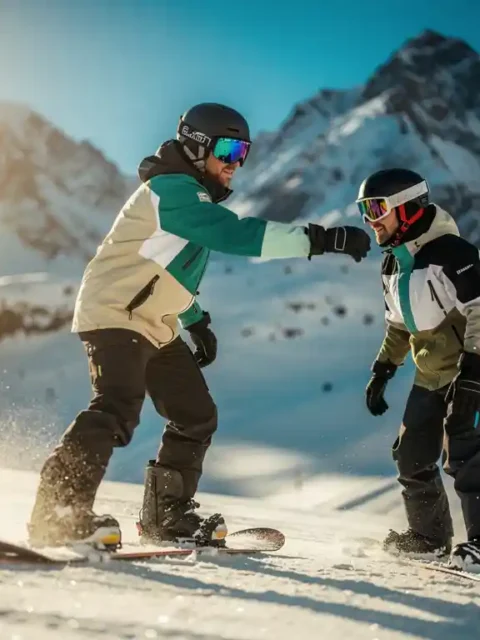

How do you improve faster with snowboard lessons?
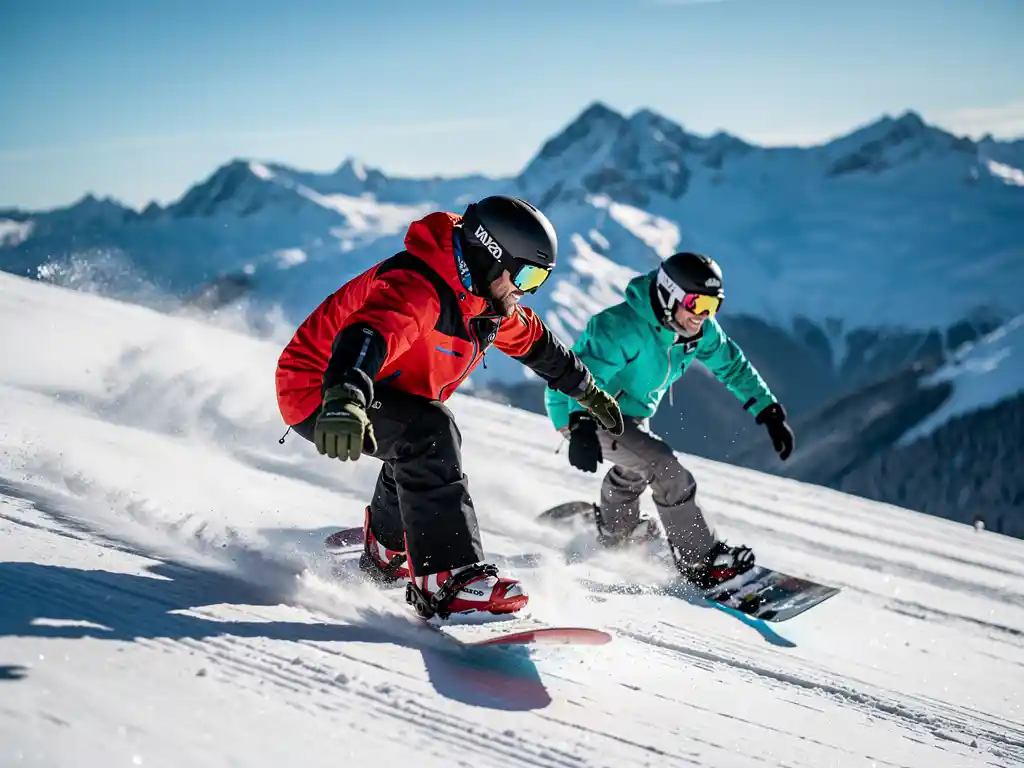
You achieve faster progress in snowboarding through regular lessons, the right instructor, and focused practice of fundamental techniques. Learning speed depends on lesson frequency, quality of instruction, your physical condition, and your mental attitude. With the right approach and guidance, you can master the basics within a few days and quickly develop into a confident snowboarder.
What makes the difference between fast and slow progress in snowboarding?
The frequency of lessons largely determines how quickly you make progress in snowboarding. Daily lessons over a week are much more effective than one lesson per month. Your muscle memory and sense of balance develop best with consistent practice.
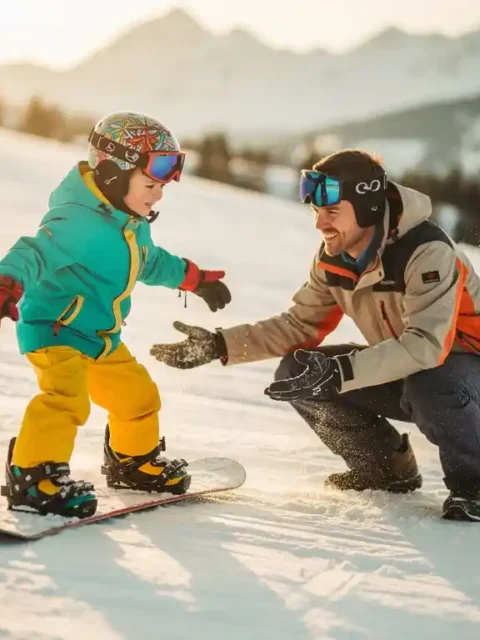
The quality of instruction plays a crucial role. An experienced instructor recognizes your learning style and adapts techniques accordingly. They correct wrong movements before they become habits and provide targeted feedback that helps you improve faster.
Your physical condition also affects your learning speed. Strong leg muscles, core stability, and good balance make it easier to learn new movements. Additionally, a positive mental attitude—accepting that falling is part of the learning process—helps you progress faster.
How do you choose the right snowboard instructor for your level?
A qualified instructor has official certifications from recognized organizations like PSIA, CSIA, or national ski associations. These certifications guarantee that the instructor masters proper techniques and can safely teach different levels.
Pay attention to the teaching style of potential instructors. Some focus on technical perfection, others on fun and building confidence. For beginners, a patient, encouraging approach often works best. Advanced snowboarders benefit more from technically focused feedback.
You find the best match by discussing your goals and learning style beforehand. Tell them whether you learn visually, auditorily, or kinesthetically. A good instructor adapts explanations and demonstrations to your preferences, which significantly accelerates your learning process.
Which snowboard techniques should you master first?
Start with balance and stance—learn how to stand comfortably on your board with proper posture. Practice gliding on one foot and feeling the board under your feet. This foundation is essential for all further techniques.
Then learn to fall safely and get up. This sounds simple, but proper falling technique prevents injuries and frustration. Practice getting up from back and stomach positions, both on flat terrain and on slopes.
Next, focus on first gliding movements: straight runs (gliding straight down) and using your edges to stop. Only when you master these techniques should you move on to your first turns. This logical sequence ensures a solid foundation and faster progress.
Why Ski-Pro is the smartest choice for comparing snowboard lessons?
Ski-Pro compares more than 250 snowboard schools throughout the Alpine region, making it easy to find the best option for your level and budget. You can compare prices, lesson types, group versus private lessons, and availability in one place.
We only work with certified and reputable snowboard schools, guaranteeing quality and safety. This means you’re assured of professional instruction, regardless of which school you choose through our platform.
The booking process is fast, transparent, and secure. Whether you’re a beginner, traveling with family, or already advanced—we help you find the perfect match based on your level, budget, and desired teaching style. This way you can maximize your precious time on the slopes instead of spending hours searching for the right snowboard lesson.
How many lessons do you need to snowboard independently?
Most beginners need 3 to 5 days of intensive lessons to master the basic principles and independently snowboard down blue slopes. This applies to daily lessons of 2 to 4 hours with a qualified instructor.
Your learning curve depends on various factors: your natural sense of balance, previous experience with board sports, your physical condition, and how well you cope with the unfamiliar feeling of sideways movement. Some pick it up faster, others need a bit more time.
Get the most out of each lesson by resting well between sessions, drinking plenty of water, and not continuing too long when you’re tired. A tired snowboarder learns slower and makes more mistakes. Therefore, plan realistic lesson days and allow yourself breaks to process new movements.
Which common mistakes slow down your snowboard development?
The biggest mistake is leaning too much on your back leg, which leads to loss of control and difficult turns. Beginners often do this out of fear of speed, but it actually makes snowboarding harder and more dangerous.
Incorrect body posture is another common mistake. Standing too stiffly, moving your arms too much, or looking down instead of forward disrupts your balance and hinders your progress. Learn to stay relaxed and keep your arms calmly at your sides.
Many snowboarders try too much too quickly and skip basic principles. They want to make fast, sharp turns immediately without first perfecting slow, controlled movements. Break bad habits by returning to basics and consciously practicing proper technique, even if it feels unnatural at first.
Faster progress in snowboarding is no accident, but the result of smart choices: regular, high-quality lessons, the right instructor, and patient practice of fundamental techniques. By avoiding common mistakes and having realistic expectations, you develop into a confident snowboarder. With proper guidance and a platform like Ski-Pro for comparing snowboard lessons to find the best snowboard lesson, you’ll soon be on the slopes with a big smile on your face.
Frequently Asked Questions
Can I learn snowboarding faster if I already have experience with skateboarding or surfing?
Yes, experience with board sports gives you an advantage because you're already used to the sideways feeling and balance on a board. The muscle memory and coordination you've developed from skateboarding or surfing help when learning snowboard techniques. However, snow conditions and the use of bindings make snowboarding unique, so you still need professional lessons to properly learn the specific techniques.
What should I do if I'm still having trouble making turns after a few lessons?
Go back to basics and first practice shifting your weight from toe-side to heel-side on flat terrain. Many beginners try to make complex turns too quickly. Focus on slow, controlled movements and make sure you distribute your weight evenly over both feet. Discuss your challenges with your instructor—possibly a different teaching method or extra attention to your stance is needed.
Is it better to take private lessons or group lessons for faster progress?
Private lessons provide the fastest progress because the instructor can focus entirely on your specific needs and learning style. You get direct, personal feedback and can learn at your own pace. Group lessons are more cost-effective and offer social interaction, but attention is divided. For beginners who want to learn quickly, 2-3 private lessons followed by group lessons is often the ideal combination.
How do I prepare physically for my first snowboard lessons?
Focus on strengthening your leg muscles, core, and improving your balance several weeks before your trip. Squats, lunges, and planks are excellent exercises. Also practice your balance with a balance board or by standing on one leg. Cardio exercises help your endurance on the slopes. Don't forget to train your flexibility too—flexible joints help when learning snowboard movements.