
How to Ensure the Perfect Fit for Ski Boots?
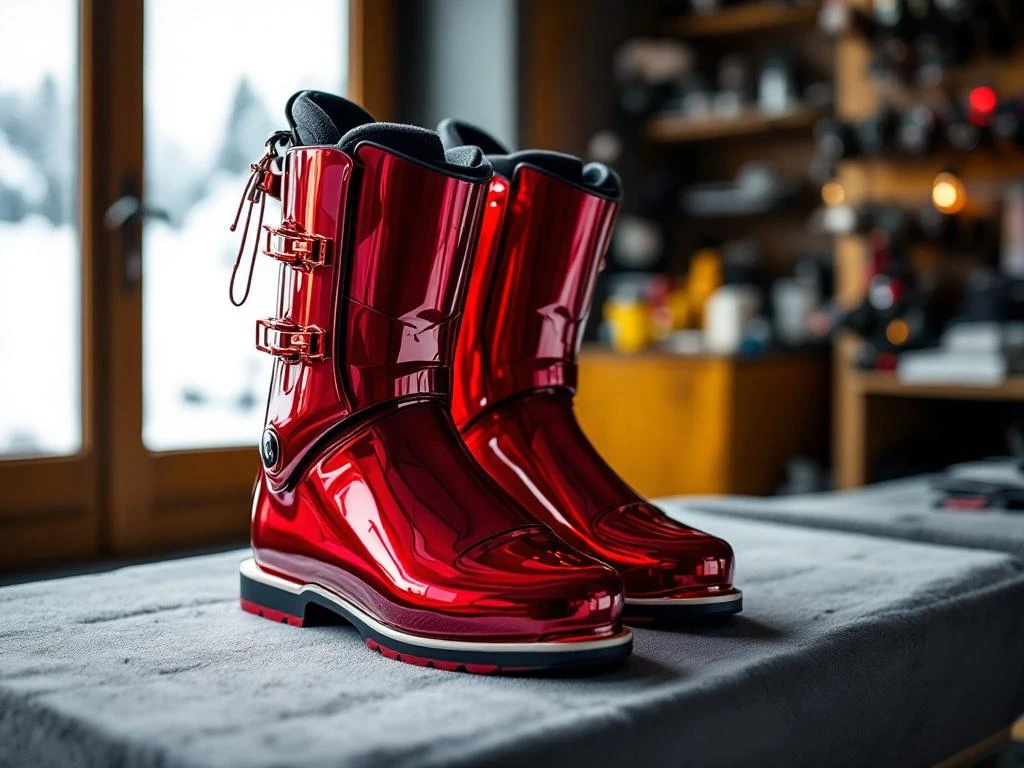
Good ski boots form the foundation of a comfortable and safe skiing experience. The right fit ensures optimal control over your skis, better balance, and less fatigue. Ski boots should fit snugly without being painful, with your heel firmly in place and sufficient room for your toes. Here we answer the most important questions about finding and maintaining the perfect ski boot fit, from measuring your feet to professional adjustments.
Why is the right fit of ski boots so important?
The right fit of ski boots is important because it directly influences your control, balance, and safety on the slopes. Ski boots are the essential connection between you and your skis – they transfer all your movements. Without a good fit, much of your energy and steering power is lost.
Poorly fitting ski boots can lead to various problems. Boots that are too loose cause loss of control and precision, requiring more effort to steer your skis. This leads to faster fatigue and less enjoyment on the slopes. On the other hand, boots that are too tight can create painful pressure points, cold feet due to restricted blood circulation, and even blisters or chafing.
Did you know that many skiers use improperly fitting boots without realizing it? They often think that discomfort is just “part of skiing.” Nothing could be further from the truth! With the right ski boot fit, you can ski longer, more comfortably, and with greater control. You’ll notice improved technique and less fatigued feet and legs at the end of the day.
Additionally, safety is an important aspect. Well-fitting ski boots ensure that bindings can work correctly. During a fall, your bindings need to release at the right moment – not too early and not too late. Poorly fitting boots can disrupt this process, increasing the risk of injuries.
What are the characteristics of perfectly fitting ski boots?
Perfectly fitting ski boots feel snug but not painful, hold your foot firmly in place without causing pressure points, and offer the right balance between performance and comfort. Your foot should be fully supported without movement space that leads to friction or loss of control.
Let’s list the most important characteristics:
- Toe space: Your toes may lightly touch the front of the boot when standing upright, but should not be cramped. When you bend your knees (skiing position), your toes pull back slightly.
- Heel security: Your heel must remain firmly in place, even when flexing your ankle. Heel movement means loss of control.
- Instep height: The boot should fit well over your instep without causing pressure points.
- Width: The width of the boot (last) should match your foot width. Too wide creates instability, too narrow causes pain.
- Ankle space: The ankle should sit comfortably with sufficient freedom of movement for forward and backward flex.
It’s important to understand that there’s a difference between a comfortable fit and a performance-oriented fit. Recreational skiers often choose a bit more comfort, while advanced skiers opt for a tighter, more responsive fit. Your skiing ability and style partly determine which fit is ideal for you.
Also note the following: new ski boots always feel somewhat tight because the liner still needs to expand and adapt to your foot. After several ski days, the inner boot will form to your foot and feel more comfortable without diminishing performance.
How do you measure your feet for the right ski boot size?
For the right ski boot size, measure both the length and width of your foot, preferably at the end of the day when your feet are slightly swollen. Ski boots use the Mondopoint system, where the length is indicated in centimeters, and therefore differ from your normal shoe size.
Follow these steps for accurate measurements:
- Stand upright on a sheet of paper with your back against a wall.
- Have someone trace the outline of both feet.
- Measure the length of your longest foot from heel to longest toe in centimeters.
- Measure the width at the widest point of your foot.
- Also measure the height of your instep, as this is an important measurement for ski boots.
The Mondopoint system used for ski boots indicates the length of your foot in centimeters. For example, a Mondopoint size 27.5 corresponds to a foot length of 27.5 cm. This differs from regular shoe sizes, such as European or UK sizes. Here is a general comparison:
| Mondopoint (cm) | EU Size (approximate) | UK Size (approximate) |
|---|---|---|
| 24.5 | 38-39 | 5-5.5 |
| 25.5 | 39-40 | 6-6.5 |
| 26.5 | 41-42 | 7-7.5 |
| 27.5 | 42-43 | 8-8.5 |
| 28.5 | 43-44 | 9-9.5 |
Note: different brands may vary slightly in sizing. Atomic and Salomon, for example, are known for their relatively narrow fit, while Dalbello and Tecnica are often wider. Some brands also offer different “last” widths, ranging from approximately 97 mm (narrow) to 106 mm (wide).
It’s important to know that your ski boot size is often smaller than your regular shoe size. This is because ski boots need to fit more snugly for optimal control. Therefore, never try to buy ski boots purely based on your normal shoe size, but always have your feet professionally measured.
What adjustments can a bootfitter make for optimal comfort?
A professional bootfitter can make various adjustments to your ski boots, including heating and molding the liner, punching out specific parts of the hard shell, and creating custom footbeds. These adjustments solve approximately 80% of all fit problems.
Here are the most common adjustments a bootfitter can perform:
- Thermal molding of the liner: Most modern liners can be heated and directly adapted to your foot. This process takes about 30 minutes and significantly improves the fit.
- Shell punching: For pressure points, the hard outer shell can be locally heated and stretched, for example around the ankles or for the little toe.
- Custom footbeds: Personalized insoles provide better support and improved stability. These support your arch better than the standard flat insoles.
- Canting adjustment: The angle of the boot can be adjusted to accommodate your natural leg position, which can reduce knee pain.
- Flex adjustment: The stiffness of the boot can be adjusted to your weight, height, and skiing abilities.
A good bootfitter will first conduct a thorough analysis of your feet and skiing style before making adjustments. They look at factors such as foot width, instep height, heel circumference, any bone protrusions (such as a hallux valgus), and your general skiing abilities.
The costs for bootfitting vary depending on the adjustments. Basic services such as thermal molding are often affordable, while extensive adjustments with custom footbeds cost a bit more. This investment is worth it, however – many skiers notice an enormous difference in comfort and performance after professional bootfitting.
When you buy new ski boots, it’s recommended to do so at a store where bootfitting is offered. This way, you can have the boots immediately adjusted to your specific foot structure.
When should you consider buying new ski boots?
You should consider buying new ski boots when your current boots show visible wear such as cracks in the shell, permanent deformation of the liner, or decreased support and responsiveness. Also, if your skiing style or level has changed significantly, it’s time for new boots.
Here are the key signs that you need replacement:
- Age of the boots: Ski boots last on average 150-200 ski days. For recreational skiers who ski one week per year, this means about 15-20 years. Frequent skiers (30+ days per season) should replace every 5-7 years.
- Decreased support: If you notice your foot moves much more in the boot than before, the liner has probably collapsed too much.
- Visible damage: Cracks in the shell, worn buckles, or holes in the liner are clear signs that replacement is necessary.
- Fit changes: Feet can change due to weight gain, pregnancy, or aging. If your boots no longer fit like they used to, it’s time for new ones.
- Improved technology: If your boots are older than 8-10 years, newer models likely offer major improvements in comfort, warmth, and performance.
Also pay attention to more subtle signs such as chronically cold feet (which may indicate reduced insulation) or if you have more difficulty controlling your skis than before. This could mean that the structural integrity of your boots has been compromised.
Remember that new ski boots are an investment in your comfort and safety. Even if your current boots still look good, their performance characteristics may have decreased without you noticing. Materials age and lose their resilience and support, even if they are not frequently used.
When purchasing new ski boots, take the time to try on different models and find a good bootfitter who can help you make the right choice. Technology evolves quickly, and newer models often offer a better balance between comfort and performance than older boots.
Conclusion
The right fit of ski boots is not a luxury but a necessity for every skier. Well-fitting boots not only improve your comfort but also your performance and safety on the slopes. Remember that what initially feels somewhat tight is often the right size – ski boots expand and adapt to your foot after several days of use.
Take the time to have your feet properly measured and don’t hesitate to consult a professional bootfitter for adjustments. That small investment can make the difference between painful ski days or a great winter sports experience.
We at Ski-Pro understand better than anyone how important the right equipment is for your skiing experience. Whether you’re a beginner or a seasoned pro, with the right ski boots you lay the foundation for unforgettable days on the slopes. And if you’re looking for the best ski instruction to improve your technique, you can easily compare and book ski schools and instructors that match your level and preferences through our platform.
Frequently Asked Questions
How can I test at home if my current ski boots still fit properly?
Do a simple 'shake test' by placing your foot in the loosened boot, then closing the boot and trying to lift your heel. If there is more than minimal movement, the fit may have deteriorated. Also watch for pressure points that become painful within 10 minutes and check the flex resistance - if it feels too soft, your boots no longer provide the right support. Try wearing your boots indoors for an hour; persistent pain points indicate fit problems.
What can I do about cold feet while skiing, despite well-fitting boots?
Cold feet can occur even with well-fitting boots. First, ensure your boots aren't too tight, which restricts blood circulation. Invest in high-quality, thin ski socks made of merino or synthetic materials (avoid thick socks that actually reduce circulation). Consider electrically heated insoles or socks for extreme cold. Bootfitters can also punch out the 'toe box' slightly for better circulation. Regularly wiggle your toes during ski lift rides to stimulate blood flow.
How should I store my ski boots between ski seasons?
Always store your ski boots with buckles fastened (on low tension) to prevent shell deformation. Remove the liners and let them dry completely before storing. Keep them in a dry, cool place away from direct sunlight, which can weaken the plastic. Place boot trees or rolled towels in the shells to maintain their shape. For long-term storage, you can lightly dust the liners with talcum powder to prevent mold growth. Before the new season, check all buckles and components for wear.
What adjustments can I make myself for temporary relief of pressure points?
For temporary relief, you can have specific pressure points punched out by using a hair dryer (carefully, not too hot) and pushing from the inside with a blunt stick while the plastic is warm. Use 'butterfly pads' or foam padding on painful spots. Adjust the tension of the buckles, especially at the top, which often provides immediate relief. Note: these solutions are temporary - for permanent solutions, consult a bootfitter. Avoid drastic self-adjustments such as grinding or cutting the shell.
What is the difference between a recreational and a performance-oriented ski boot fit?
A recreational fit offers more comfort with slightly more space around the foot, a wider 'last' (100-106mm) and a softer flex (60-90), ideal for beginner to intermediate skiers who prefer comfort over precision. A performance-oriented fit is noticeably tighter with a narrower last (97-100mm), firmer flex (90-130) and direct energy transfer for maximum control and responsiveness. Performance models usually have less insulation, making them feel colder but providing better feel for the snow. Your skiing style, frequency, and level determine which fit is optimal for you.
How does the 'flex index' influence my choice of ski boots?
The flex index (usually 60-130) indicates how stiffly your ski boot bends forward - the higher the number, the stiffer the boot. Beginning skiers benefit from a softer flex (60-80) that is more forgiving and easier to control. Intermediate skiers do well with a medium flex (80-100), while advanced and heavier skiers need a stiffer flex (100-130) for responsiveness and control at higher speeds. Your body weight is important here: heavier skiers need a stiffer boot, regardless of their level. Note that women's models are on average 10-15% softer than men's models with the same flex index.
When is it worth investing in custom footbeds?
Custom footbeds are worth the investment if you ski more than 10 days per year, have specific foot problems (such as high arches or flat feet), or experience noticeable comfort and stability issues. They provide superior support, better energy transfer to your skis, and can remedy many common pain points. Recreational skiers can often make do with quality aftermarket insoles, while avid skiers get the most benefit from fully customized footbeds. These cost between €100-250 but last multiple seasons and can make the difference between comfortable ski days or constant foot pain.