
Should you buy your own skis for lessons?
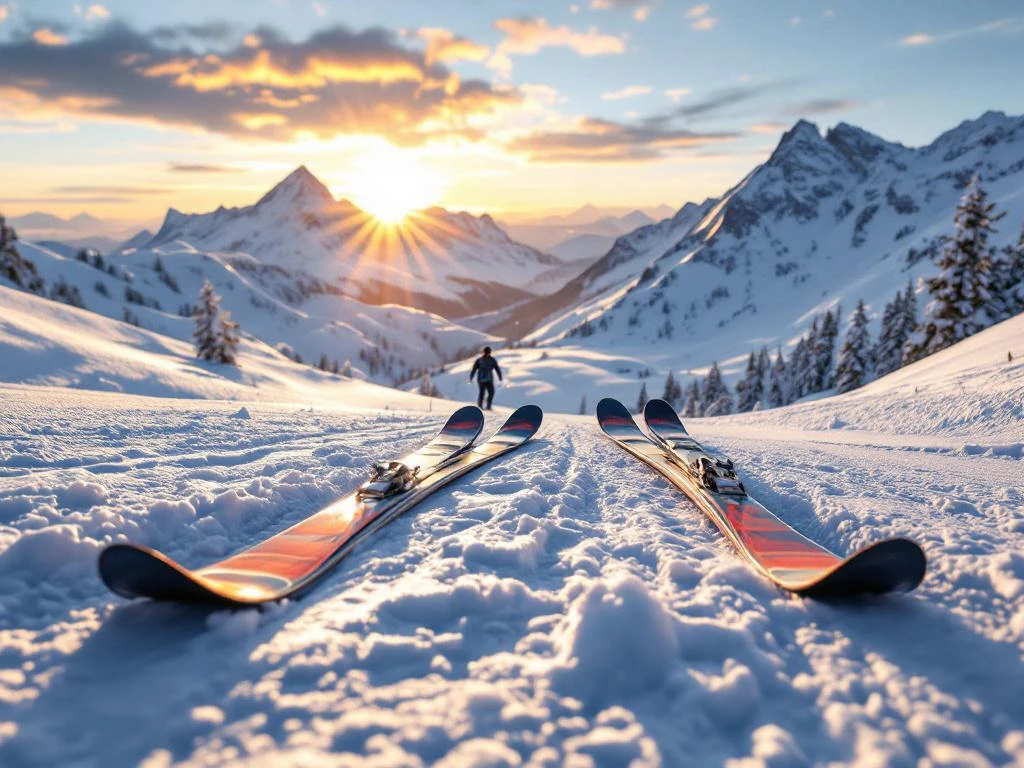
Purchasing your own skis for ski lessons is not necessary, but can be advantageous for frequent skiers. For beginners, renting is usually the smarter choice as you can try different models while developing your technique. Your own skis offer consistency and comfort if you ski regularly, but involve extra costs and logistical challenges. The decision depends on your skiing frequency, skill level, future plans, and budget.
What Are the Advantages and Disadvantages of Owning Skis During Ski Lessons?
Owning your own skis during ski lessons has both advantages and disadvantages that can significantly influence your skiing experience. The biggest advantage is consistency in your equipment – you learn on the same skis, making your technical development more stable. Additionally, your own skis are perfectly tailored to your specific needs.
The advantages of owning skis are:
- Familiarity with your equipment, allowing you to progress faster
- Perfectly fitting skis tailored to your height, weight, and skiing style
- Cost savings in the long term for frequent skiers
- Certainty that you always have the right equipment, even during busy periods
- Ability to customize skis to your personal preferences
But there are also disadvantages:
- High purchase costs, especially for quality equipment
- Transportation and travel challenges (extra baggage fees for air travel)
- Maintenance costs and storage space when not in use
- Less flexibility to try different skis during your learning process
- Risk that, as a beginner, you’ll purchase skis that you’ll quickly outgrow in skill level
For beginners, renting skis can actually be more educational. You can try different types and discover what suits your style before investing. Moreover, rental systems are efficiently organized nowadays, allowing you to quickly access good equipment.
The financial picture varies per person. Generally, the rule of thumb is that owning skis becomes cost-effective if you ski at least 2-3 weeks per year over multiple years. For less frequent ski trips, renting is often more economical considering the total costs of purchase, maintenance, and transportation.
When Is It Advisable for Beginners to Buy Skis?
For beginners, it’s usually advisable to purchase skis only after at least 2-3 weeks of skiing spread across different vacations. The most important factor is how often you’ll go skiing. If you expect to hit the slopes regularly (at least 10-14 days per year), investing in your own equipment can make sense, even as a beginner.
Important factors that determine whether you should purchase your own skis as a beginner:
Skiing Frequency
This is the most determining factor. If you go skiing multiple times per year or plan longer vacations, the investment will be recouped more quickly. Just one week of skiing per year? Then renting probably remains more cost-effective.
Learning Curve and Progression Rate
Some beginners progress quickly, others take longer. If you learn fast, you may soon be ready for more advanced skis. In that case, it’s wise to rent first until your skill level stabilizes.
If you progress more slowly, having consistency in your equipment might be beneficial, making owning skis a good option.
Body Type and Specific Needs
Do you have a body type that differs from average (for example, very tall, short, or heavy)? Then finding suitable rental equipment can be challenging. In such cases, purchasing skis chosen specifically for you can significantly improve your comfort and progression.
Future Skiing Plans
If you already know that skiing will become a lasting hobby, it might be sensible to invest in quality equipment earlier. If you want to learn more about ski lessons and how they help you progress quickly, you can take this into account when making your decision.
For most beginner skiers, it’s advisable to rent first and consider purchasing your own skis after approximately 3-4 weeks of total skiing experience (spread across different vacations). This way, you’ll have a better understanding of your preferences and skiing style.
How Much Impact Does Personal Equipment Have on Your Skiing Performance?
Personal equipment has a considerable impact on your skiing performance, especially as your skill level increases. For beginners, owning equipment makes about a 10-20% difference in comfort experience and progression, while for advanced skiers this can increase to 30-40%. The familiarity with your own skis significantly contributes to your confidence on the slopes.
Your own skis influence your performance in various ways:
Comfort and Confidence
With your own skis, you know exactly how they respond in different conditions. This familiar feeling provides confidence, making you more daring and helping you master new techniques faster. The difference in comfort between owned and rented skis is often immediately noticeable.
Technical Development
Consistency in equipment accelerates your technical development. During each skiing session, you build upon previous experiences with the same equipment, rather than constantly having to adjust to new skis with different characteristics.
For example: if you’re working on your carving technique, using the same skis can help you feel and refine subtle improvements in your posture and pressure points.
Adaptation to Your Skiing Style
Rental skis are adjusted for the average skier. Your own skis can be tailored to your specific style, weight, and preferences. The bindings are precisely adjusted to your safety needs, and you can even have the skis tuned for specific snow conditions you frequently encounter.
Mental Component
Don’t underestimate how important the mental aspect is in skiing. The confidence that comes from using your own, familiar equipment can make a big difference in how you approach challenging situations on the slopes.
For beginners, the difference between owned and rented skis is usually less significant than for advanced skiers. While you’re still learning the basic techniques, you probably won’t notice an enormous difference. As your technique refines, the difference becomes increasingly noticeable.
What Should You Consider Before Purchasing Skis for Lessons?
Before purchasing skis for lessons, you should consider five crucial factors: your budget, skiing frequency, technical level, transportation options, and storage space. The total costs go beyond just the purchase – also consider maintenance, transportation, and accessories such as bindings, which together form a substantial investment.
Budget and Total Cost Picture
Quality skis with bindings represent a considerable investment. Additionally, count on regular maintenance (waxing, edge sharpening) that ensures the lifespan and performance of your skis. For a realistic picture, also include transportation costs, such as baggage surcharges for air travel.
| Cost Item | Frequency |
|---|---|
| Purchase of skis and bindings | One-time (replace after ±5-8 years) |
| Maintenance (waxing, sharpening) | 2-3 times per season |
| Transportation (extra baggage costs) | Every flying vacation |
| Insurance | Annually |
Storage and Transportation Options
Skis take up considerable space. Do you have sufficient storage space at home? Additionally, you need to think about transportation to your destination. By car, this is usually not a problem, but air travel brings extra costs and logistical challenges.
There are now good options for ski storage at the destination itself, eliminating the need to transport your skis every time. This is especially convenient if you regularly travel to the same destination.
Future Skiing Goals
Consider what your skiing goals are for the coming years. Do you mainly want to improve technically, are you going for recreational skiing, or do you dream of off-piste adventures? Different goals require different types of skis.
If you’re still developing as a skier, keep in mind that your needs may change as your level increases. Flexibility might be more important in this phase than owning one specific pair of skis.
Professional Advice
Get good advice from a ski professional before making a purchase. An instructor can provide valuable insights about which type of ski best suits your level and style. Sometimes you can even test skis through ski schools or winter sports websites before buying them.
Remember that ultimately it’s about having fun on the slopes. Your own skis can enrich your experience, but they’re not a requirement for great ski lessons and progression. Whatever you choose, make sure it fits your personal situation and skiing ambitions.
If you want to know more about how to get the most out of your ski lessons, with your own or rented equipment, we at Ski-Pro are always ready to help you. Our goal is to make your time on the slopes as enjoyable and educational as possible, regardless of which choice you make about your equipment.
Frequently Asked Questions
How do I know which type of ski best suits my level?
Selecting the right ski depends on your level, weight, and skiing style. Beginners benefit from shorter, softer skis (±10-15cm below your height) that turn more easily. Advanced skiers can choose longer, stiffer skis that are more stable at higher speeds. Seek advice from a specialist who can help you with an appropriate length, width, and stiffness based on your level, weight, and favorite terrain (piste, park, off-piste).
What are the most important maintenance tips for my own skis?
Regular maintenance significantly extends the lifespan of your skis. Ensure seasonal storage in a dry space with skis positioned horizontally or vertically (with the tips pointing upward). Have your skis professionally waxed and sharpened at least 1-2 times per season. Dry them after each skiing day and remove snow and dirt. Check bindings annually for safety and proper adjustment. Deep scratches or damage require professional repair.
Is it better to buy new or second-hand skis as a beginner?
As a beginner, second-hand skis can be a smart initial investment, provided you know what to look for. Look for skis that are at most 3-5 years old without deep scratches or delamination. Check if the bindings are still safe and suitable for your weight and level. New skis offer warranty and current technology, but at a higher price. Also consider demo models (test skis) from the previous season, which are often sold at a discount and have been used only minimally.
How do I prepare my own skis for a ski trip if I haven't used them for a long time?
Before getting back on your skis after a long time, have them professionally checked, waxed, and sharpened. Check the bindings for proper functioning and adjustment - these can deteriorate after prolonged storage. Test beforehand if your ski boots still fit well and are comfortable. Use a ski bag for transport to prevent damage. Acclimatize your skis to the temperature of your destination by unpacking them a day before use.
What are the advantages of renting skis on location versus bringing your own skis during air travel?
Renting skis on location saves you baggage surcharges (averaging €50-80 round trip) and reduces logistical stress. Modern rental systems offer quality equipment with the option to switch daily as snow conditions change. Bringing your own skis provides familiarity with your equipment and consistency in your technique. Consider seasonal storage at your regular ski destination as a compromise - this way you have your own equipment without transportation concerns. This is cost-effective if you visit the same location at least 2-3 times per year.
How can I best have my skis adjusted to my personal skiing style?
For optimal performance, have a specialist tune your skis to your skiing style. The bindings must be precisely adjusted to your weight, height, level, and boot type for safety and control. The stiffness of the ski can be modified by different grinding angles of the steel edges. A specific wax profile can be chosen for your preferred snow conditions. Some ski shops offer personal adjustment profiles that they store for future adjustments.
What should I do if my skis get damaged during a vacation?
If your skis are damaged during your vacation, have the damage assessed immediately by a local ski technician. Small scratches have little impact on performance, but deeper damage requires professional repair to prevent further issues. Many ski areas have repair services that can fix damage within 24 hours. Check in advance if your travel insurance covers equipment damage. For temporary replacement, you can often rent skis at a reduced rate while your own equipment is being repaired.