

How do you fall safely during a snowboard lesson?
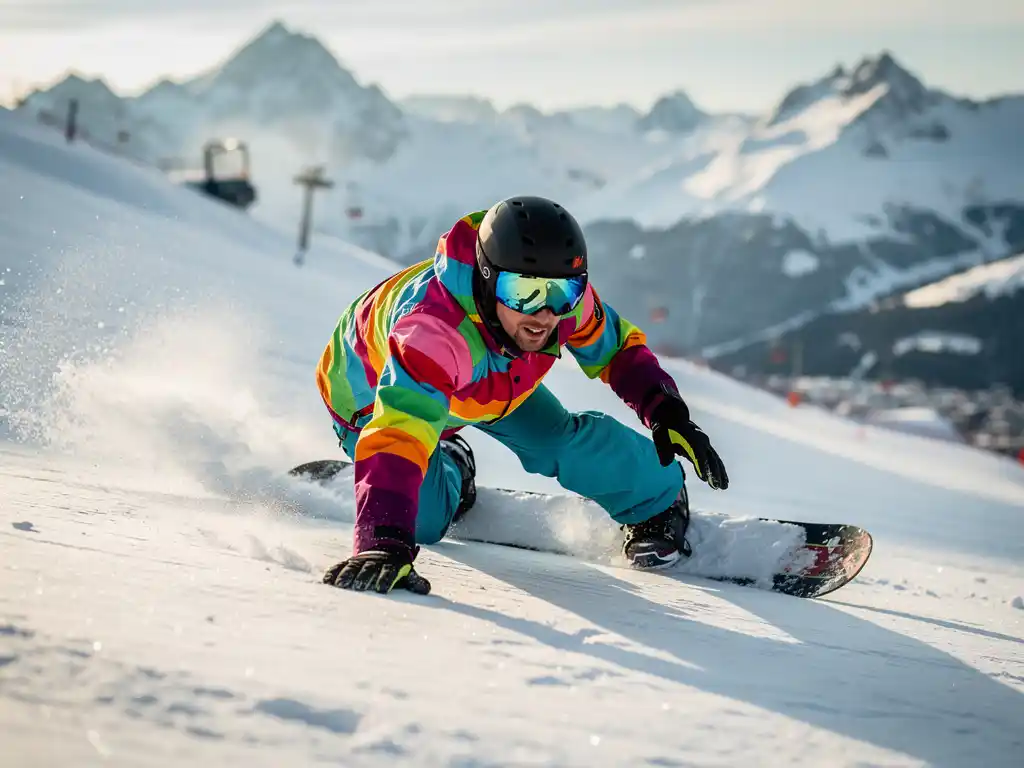
Safe falling during a snowboard lesson is a crucial skill that every snowboarder must master. The proper falling technique prevents injuries and gives you more confidence on the slopes. By positioning your body correctly and spreading the impact, you can transform falls from dangerous moments into part of the learning process. This guide answers the most important questions about safe falling while snowboarding.
What is the proper falling technique in snowboarding?
The fundamental falling technique in snowboarding begins with accepting the fall and keeping your body relaxed. Never try to stop a fall with outstretched arms, but instead roll with the movement. Keep your wrists bent and your arms close to your body.
When you feel that you’re going to fall, bend your knees and try to shift your weight backward. This helps you land on your back or side instead of forward. Pull your chin to your chest to prevent neck injury.
The best landing position is on your back or hip, spreading the contact with the snow over as large a surface area as possible. Avoid landing on your knees, hands, or forehead. Stay lying down for a moment after landing to check yourself before getting up.
What protective equipment do you need to fall safely?
Wrist guards are essential, as wrist fractures are the most common snowboarding injuries. A well-fitting helmet protects against head injury, while back protection shields your spine during backward falls. Knee pads provide extra security during uncontrolled falls.
A helmet must fit properly without pinching and meet safety standards. Wrist guards must fit securely but not restrict your freedom of movement. Back protection is often underestimated but can prevent serious spinal injury.
Additionally, padded shorts are useful for beginning snowboarders who often fall backward. Good snowboard clothing with reinforced knee and elbow sections provides extra protection. Don’t forget your snowboard goggles for optimal visibility on the slopes.
How do you prevent the most common snowboarding injuries?
The three most common snowboarding injuries are wrist fractures, knee injuries, and head trauma. Wrist fractures occur from the instinct to catch a fall with outstretched hands. Knee injuries often happen during twisted falls or with incorrectly adjusted bindings.
Prevention begins with a proper warm-up and gradually building intensity. Make sure your bindings are correctly adjusted by a professional. Learn the proper falling techniques before attempting more difficult slopes.
Avoid snowboarding in poor weather conditions or when you’re tired. Respect your limits and don’t go outside your comfort zone without guidance. Regular breaks help maintain your concentration and reaction ability.
Why is professional snowboard instruction through Ski-Pro essential for safety?
Professional snowboard instruction teaches you not only the right techniques but also how to fall safely and prevent injuries. Qualified instructors recognize dangerous situations and correct bad habits before they lead to problems.
At Ski-Pro, we work with more than 350 certified ski schools in the Alps. Our instructors are trained in safety techniques and can guide you step by step in learning safe falling techniques. They adapt the lessons to your level and learning style.
Through our platform you can easily compare prices to find the perfect snowboard lesson for your level. Whether you’re a beginner or want to refine your techniques, our certified partners ensure a safe and enjoyable learning experience on the slopes.
What should you do immediately after a fall while snowboarding?
After a fall, you should stay lying calmly and thoroughly check yourself for pain or injuries before moving. Check your head, neck, wrists, knees, and back systematically. Only get up if you feel no pain and your body responds normally.
Move your fingers and toes to check if everything is still functioning properly. Carefully turn your head to rule out neck problems. If you feel pain, especially in your neck or back, stay lying down and call for help.
When you get up, do so slowly and use your snowboard for support. Check your equipment for damage before continuing. When in doubt about injuries, stop snowboarding and seek medical help. It’s better to be cautious than to worsen a minor injury.
Safe falling is a skill that every snowboarder masters with the right techniques, protective equipment, and professional guidance. With proper preparation and knowledge, snowboarding becomes a safe and unforgettable experience where falling no longer causes fear but becomes part of your development on the slopes.
Frequently Asked Questions
How often should I practice falling techniques during my snowboard lessons?
It's recommended to briefly review falling techniques at the beginning of each lesson, especially as a beginner. Practice these techniques on a soft, flat slope before going to steeper hills. With regular practice, safe falling becomes an automatic response.
What do I do if I fall and my snowboard comes off?
First check yourself for injuries before going after your snowboard. Make sure your board doesn't slide further down and endanger other skiers. If your board is too far away, ask for help from other snowboarders or slope personnel to retrieve it safely.
Is it normal to fall a lot as a beginning snowboarder?
Yes, falling is absolutely part of the learning process of snowboarding, especially in the first days. Most beginners fall 20-30 times per day, which is completely normal. With the right falling techniques and protective equipment, these falls are part of your development and gradually become less frequent.
When should I stop snowboarding after a fall?
Stop snowboarding immediately if you feel pain in your head, neck, back, or joints after a fall. Also with dizziness, nausea, or confusion, you must leave the slope. When in doubt, it's always better to end the day and possibly seek medical help than to continue and risk more serious injuries.