
How do you prevent injuries during snowboard lessons as a beginner?
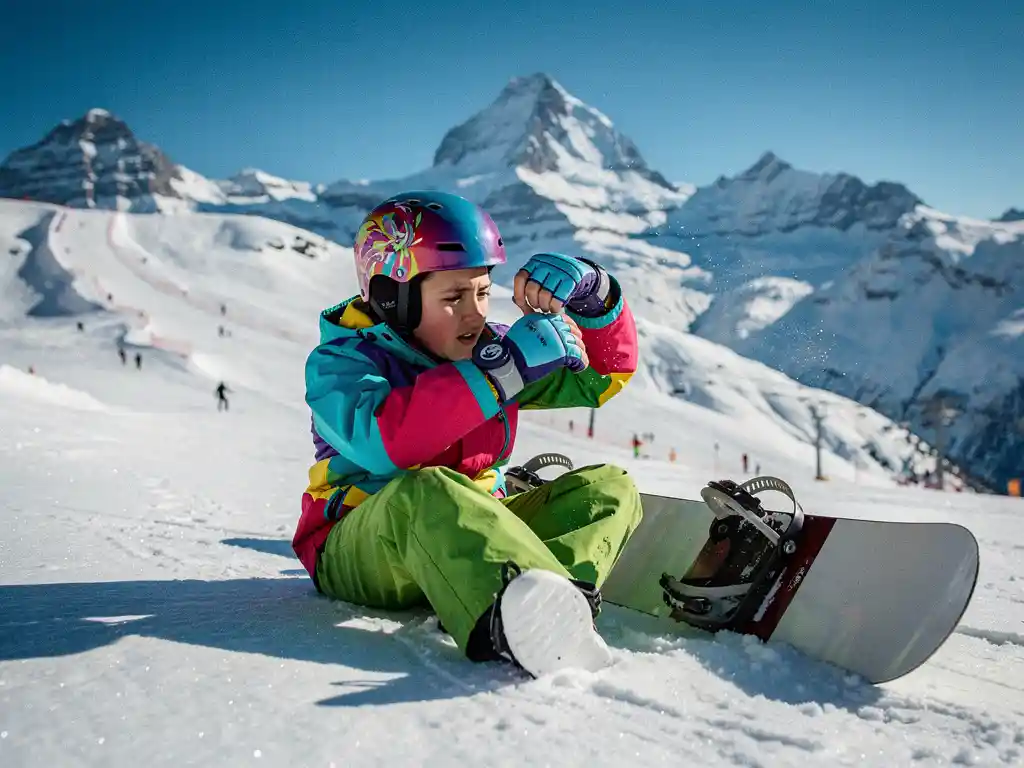
Preventing snowboard injuries as a beginner starts with proper preparation, protective equipment, and professional instruction. Wrist guards, a helmet, and proper falling techniques are essential to avoid the most common injuries. A qualified instructor will teach you safe techniques from day one, allowing you to confidently enjoy your first snowboarding adventure on the slopes.
What injuries occur most frequently in snowboarding beginners?
Wrist injuries are by far the most common snowboard injuries among beginners, followed by knee and ankle injuries. Approximately 40% of all snowboard injuries involve the wrists, because beginners instinctively extend their hands when falling. Back problems and shoulder injuries also occur regularly due to incorrect falling techniques.
Beginners face extra risk because they haven’t yet developed good balance and can fall unexpectedly. Your body needs to get used to the feeling of the board and the movements required for steering and braking. The first snowboard lessons are crucial to minimize these risks.
Your wrists are particularly vulnerable because you naturally extend your arms to break a fall. Your knees receive a lot of stress from the sideways movements of snowboarding, especially during incorrect landings after jumps. Your back can become overloaded from the unusual twisting and bending that snowboarding requires.
What protective equipment is essential for snowboarding beginners?
A helmet, wrist guards, and back protection form the foundation of safe snowboarding equipment for beginners. Wrist guards alone prevent 85% of wrist injuries that occur so frequently in beginning snowboarders. Knee pads and impact shorts provide additional protection for your joints and tailbone.
Your helmet must fit properly without shifting when you move your head. Measure your head circumference and try different brands, as the fit varies by manufacturer. A good helmet has ventilation openings and adjustable straps for optimal comfort during long days on the slopes.
Wrist guards are indispensable because they keep your wrists in the correct position during a fall. Choose models with hard protective plates on both sides of your wrist. Back protection shields your spine from hard impacts and is especially important if you’re going to snowboard in the park or on more difficult slopes.
Impact shorts with built-in protection for your hips and tailbone make falls much less painful. This gives you more confidence to try new techniques without fear of painful landings on the hard snow surface.
How do you choose the safest snowboard instructor for beginners through Ski-Pro?
Through Ski-Pro you can easily compare more than 350 certified ski schools and snowboard instructors in the Alps based on safety criteria and qualifications. All instructors in our network have official certifications and years of experience teaching beginners. You can filter by specialization, language, and teaching style to find the perfect match.
Safety comes first when choosing a snowboard instructor. We only work with ski schools that meet international safety standards and regularly train their instructors. You can read reviews from other beginners and see which instructors specialize in teaching new snowboarders.
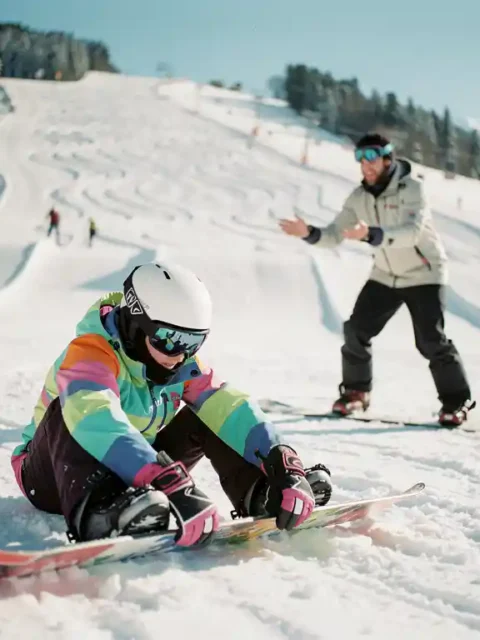
A good instructor will teach you proper falling techniques from the first lesson and help you gradually build your skills step by step. Through our platform you can immediately see which instructors are available on your desired dates and compare prices for both group and private lessons.
The advantage of booking through Ski-Pro is that you get transparent information about each instructor’s qualifications. You can see their certifications, specializations, and experience level, so you can make an informed choice for your safety on the slopes.
What warm-up techniques help prevent snowboard injuries?
A good 10-15 minute warm-up prepares your muscles and joints for the demands of snowboarding. Focus especially on your wrists, ankles, knees, and back because these body parts are most stressed during snowboarding. Start with light cardio to get your blood circulation going.
Wrist exercises are crucial: make circular movements with your wrists in both directions and stretch your forearms by pushing your fingers downward. For your legs, do squats and lunges to prepare your knee and hip joints for the sideways movements of snowboarding.
Stretch your back by gently rotating from left to right with your arms extended. Ankle circles and moving your toes up and down in your snowboard boots help keep your ankles flexible. These joints need to rotate and bend a lot during snowboarding.
Don’t forget to warm up briefly between lessons if you’ve been standing still for a long time. Cold muscles and joints are much more susceptible to injury, especially at the end of the day when fatigue sets in.
How do you learn to fall safely as a snowboarding beginner?
Falling safely means falling forward or backward instead of sideways, and keeping your arms against your body instead of extending them. Let your knees bend and roll off over your thigh or back to spread the impact. Never try to stop a fall with extended arms, as this often leads to wrist injuries.
When falling forward, land on your knees and forearms, with your wrists protected against your body. Keep your chin up to prevent your face from hitting the snow. When falling backward, let your buttocks land first and roll backward in a controlled manner.
Practice falling techniques on soft snow before trying more difficult slopes. A good instructor will have you practice these techniques in a safe environment, so they become automatic when you fall unexpectedly. This gives you much more confidence on the slopes.
Get up calmly after a fall and check that your board is still properly attached. Rushing leads to more falls, so take time to regain your balance. With proper falling techniques and protective equipment, falling becomes part of the learning process instead of something to be afraid of.
Safe snowboarding as a beginner is all about preparation, the right equipment, and professional guidance. By preparing well with protective equipment and a qualified instructor, you lay the foundation for years of enjoyment on the slopes. Through Ski-Pro you can easily find the best snowboard instructors who prioritize your safety and help you confidently make your first turns in the beautiful Alpine landscape.
Frequently Asked Questions
How much does a complete set of protective equipment for snowboarding beginners cost?
A complete basic set with helmet, wrist guards, and back protection costs between €150-300. You can often rent equipment at ski rental shops for €25-40 per day, which is ideal for trying different brands before buying. Invest first in wrist guards and a helmet, these are most important for your safety.
Can I safely learn to snowboard as a complete beginner without lessons?
It is strongly discouraged to start snowboarding without professional guidance. Self-learning significantly increases injury risk because you develop incorrect techniques and don't learn safe falling techniques. A few hours of lessons saves you weeks of frustration and prevents potentially dangerous situations on the slopes.
How long does it take on average before you can snowboard independently as a beginner?
Most beginners can snowboard independently on easy blue slopes after 3-5 days of lessons (15-25 hours). Your first day you learn falling and getting up, the second day simple turns, and from day three you build your technique further. Everyone learns at a different pace, so be patient with yourself.
What should I do if I still get injured despite taking precautions?
Stop snowboarding immediately and seek help from the ski patrol or a first aid station on the mountain. Report the injury to your travel insurance and keep all medical documents. Most ski schools have contacts with local doctors who have experience with winter sports injuries and can quickly refer you to the right care.