
How do you safely get in and out of elevators during lessons?
Getting on and off ski lifts safely is an essential skill that every winter sports enthusiast must master. The proper technique consists of a correct ski position, proper timing and calm movements. With chairlifts you keep your skis parallel and straight, while with gondolas you first take off your skis. Professional instructors teach you step by step how to use lifts in a relaxed and safe manner, so you can head up the mountain with confidence.
What is the correct technique for safely getting on a ski lift?
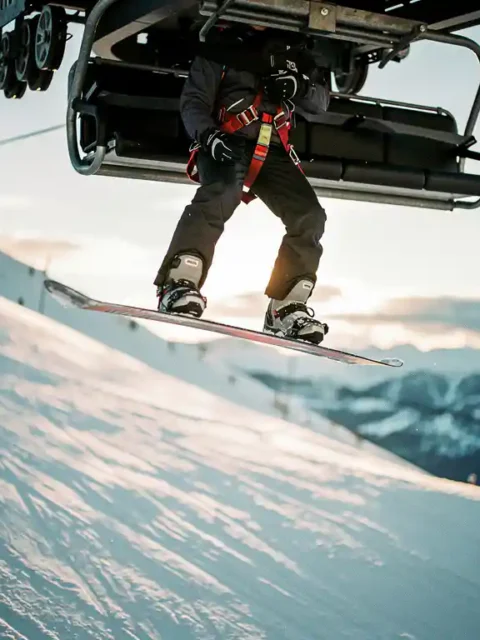
The technique for getting on differs by lift type, but always starts with keeping your skis parallel and staying relaxed. With chairlifts you glide to the loading point, hold your poles in your outside hand and wait for the lift to gently pick you up. With gondolas you first take off your skis and carry them inside.
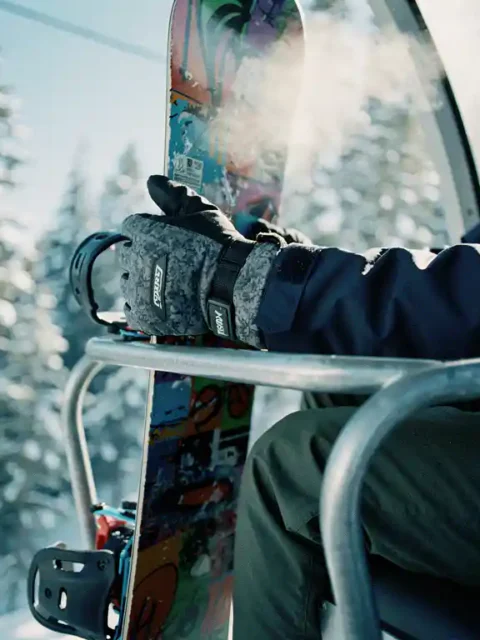
For chairlifts the correct sequence is crucial. Glide calmly to the marked loading point and ensure your skis are perfectly parallel. Hold both poles in the hand that is furthest from the lift. When the chairlift touches your legs, let yourself gently sit down and only grab the safety bar once you’re fully seated. Don’t look back at the approaching chair, but keep looking straight ahead.
With gondolas the procedure is different. Take off your skis at the designated spot and carry them to the gondola. Step in calmly when the gondola is stationary and place your skis in the designated holders. Make sure your equipment is secure before the gondola departs.
How do you prepare for getting off a ski lift?
Preparation for getting off begins during the lift ride by keeping your skis in the correct position and mentally reviewing the exit procedure. About 50 meters before the exit station you lift the safety bar and prepare to glide away smoothly, without sudden movements.
During the lift ride keep your skis relaxed and parallel. Regularly check that they’re still straight and haven’t become crossed. Grip your poles properly again, with one pole in each hand. When approaching the exit station, lift the safety bar at the right moment; this is usually indicated with a sign.
The moment of getting off requires calm and control. Let yourself gently slide off the chair when your skis touch the ground. Glide straight ahead away from the exit station and don’t make sudden turns. Keep your skis parallel and use your poles for balance. Continue gliding until you have sufficient distance from other exiting skiers.
Which common mistakes cause problems with lifts?
The most common mistakes are crossed skis, reacting too early or too late and panic behavior when getting on or off. Beginners often make the mistake of looking back at the approaching lift or moving too abruptly when getting off, which leads to falls.
An incorrect ski position is the biggest pitfall. When your skis become crossed while waiting or during the lift ride, dangerous situations arise. Also lowering the safety bar too early or waiting too long can cause problems. Many beginners forget to hold their poles properly or drop them while getting on.
Timing problems often arise from nervousness. Some skiers move to the loading point too early and get in the way of other skiers. Others hesitate too long and miss their chance to get on smoothly. Panic reactions, such as suddenly stopping or making unexpected movements, cause most accidents when using lifts.
Why are ski lessons through Ski-Pro the best preparation for lift usage?
Professional ski instructors through Ski-Pro train specifically in lift techniques and safety procedures, allowing you to systematically learn to handle different lift types. Our instructors from more than 250 ski schools know the local lifts perfectly and can effectively help overcome lift anxiety through targeted guidance and practical practice.
Through professional ski instructors from Ski-Pro you’ll find instructors who specialize in guiding beginners with lift usage. They take the time to calmly explain and practice each step on easy lifts before moving on to more difficult lifts. The instructors know the specific characteristics of every lift in their ski area and can tell you exactly what to expect.
Our platform compares more than 250 ski schools in the Alps, so you can choose instructors who have experience with your specific needs. Whether you choose private lessons for intensive lift training or group lessons for a more social approach, through Ski-Pro you’ll always find certified instructors who prioritize safety. You can easily compare prices, lesson types and availability to find the perfect match for your level and budget.
How do you overcome fear of ski lifts during your first ski lessons?
You overcome lift anxiety through gradual habituation and building confidence with an experienced instructor. Start with short, simple lifts and first practice the basic techniques on the ground. Breathing exercises and positive visualization help you stay calm during your first lift rides.
A good instructor always starts with explanation on the ground. You learn the movements without the stress of an actual lift. Many instructors use a step-by-step method where you first watch how others use the lift, then practice together with the instructor and finally try independently. This gradual build-up ensures your confidence grows.
Practical strategies help enormously in overcoming lift anxiety. Focus on your breathing and keep it calm and deep. Visualize beforehand how getting on and off will go. Many skiers find it pleasant to talk with their instructor or fellow passengers during the lift ride, as this distracts from the anxiety. Also choosing less busy times for your first lift rides can reduce stress.
Remember that lift anxiety is completely normal and thousands of skiers deal with this annually. With proper guidance and sufficient practice, lift usage quickly becomes automatic. Taking snowboard lessons can also help, as snowboarders often use different techniques that some people find easier. The most important thing is to have patience with yourself and not try to do too much too quickly; every small progress is worthwhile.
Frequently Asked Questions
What should I do if my skis become crossed during the lift ride?
Stay calm and try to uncross your skis carefully by making small movements with your ankles. If this doesn't work, ask for help from your fellow passengers or call the lift operator. Never force your skis apart, this can lead to falling when getting off.
How far in advance should I lift the safety bar when getting off?
Lift the safety bar when you see the sign indicating this, usually about 50 meters before the exit station. Lifting too early is dangerous due to the height, too late makes getting off difficult. Always follow the instructions from the lift operator.
Can I use lifts as a complete beginner without lessons?
It is strongly discouraged to use lifts without guidance as a complete beginner. The risks to yourself and others are too great. Book at least a few lessons through Ski-Pro to safely learn the basic techniques before using lifts independently.
What if I fall when getting on or off a lift?
Try to get out of the way of other skiers as quickly as possible by sliding to the side. Stand up calmly, check your equipment and only ski further if you feel well. When in doubt or in pain, report this immediately to the lift operator or ski school instructors nearby.