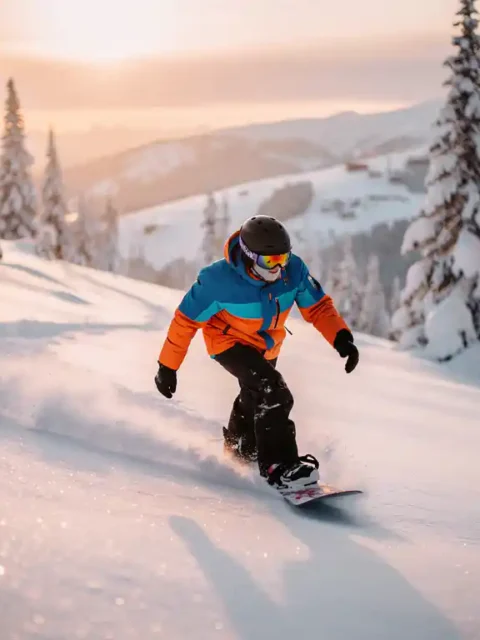

What is the correct skiing posture?
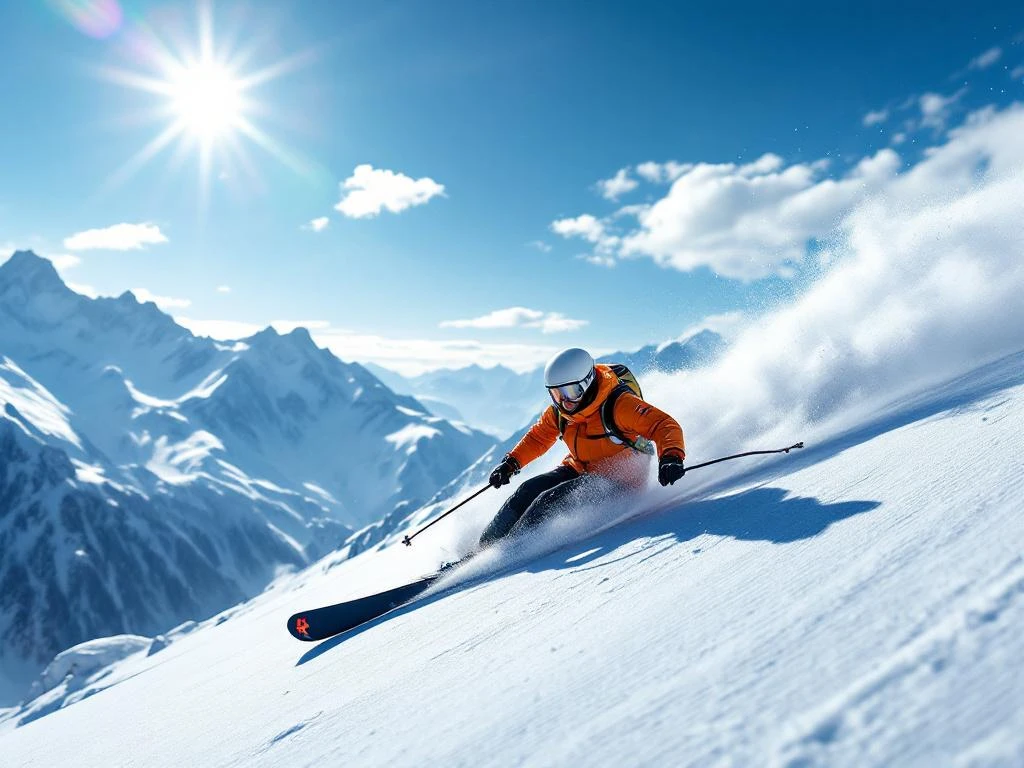
A perfect skiing posture is the foundation for a wonderful day on the slopes. Whether you’re a beginner making your first turns or an experienced skier looking for improvement – the right posture determines your control, comfort, and enjoyment on skis. Many winter sports enthusiasts spend hours improving their technique but forget that it all starts with a good basic posture. In this article, you’ll discover what constitutes correct skiing posture, which mistakes to avoid, how to adapt to different terrain conditions, and how your body type influences your ideal posture. This way, you’ll optimally enjoy every descent!
The Basics of Correct Skiing Posture
A good skiing posture might seem complicated, but it actually consists of a few simple elements that together form the perfect foundation. Think of it as the foundation of a house – without a good base, the rest becomes unstable.
Body Weight and Balance
The core of good skiing posture lies in your weight distribution. Your weight should be evenly distributed across both skis, with a slight focus on the outside ski during a turn. Try to keep your weight primarily in the middle of your skis – not too much on the heels and not too much on the tips.
You develop good balance by practicing consciously. Feel how the pressure on your soles changes as you change direction. With better balance, you gain much more control over your skis, resulting in smoother movements and increased confidence.
Position of Feet and Knees
Your feet should be approximately hip-width apart. This gives you a stable base. Ensure that your knees are slightly bent and positioned above your toes. These bent knees act as shock absorbers and give you the ability to quickly react to changes in the terrain.
A good exercise is to stand in your ski boots and gently bend your knees while pressing your shins against the front of your boots. This way, you’ll feel the ideal pressure and angle.
Upper Body and Arms
Keep your upper body upright but relaxed, slightly facing forward. Your arms should be in front of your body, approximately at navel height, with your elbows slightly bent. Your wrists and hands are relaxed and hold your poles loosely.
A mistake many beginning skiers make is clutching their ski poles as if their lives depend on it. This creates tension in your upper body that transfers to your legs. Relaxed arms lead to smoother ski technique.
Direction of Gaze
Where you look is where you’ll go. It sounds simple, but your gaze is crucial for good skiing posture. Always look ahead, in the direction you want to go. This helps your body automatically assume the right position. When making turns, look toward the next turning point, not at your skis.
If you regularly hit the slopes, you’ll notice that good alpine ski technique begins with where you’re looking. It’s one of the simplest yet most effective tips for better control.
Common Mistakes in Skiing Posture
Even experienced skiers regularly make mistakes in their posture. By recognizing these, you can greatly improve your ski technique.
Leaning Backward
The most common mistake is leaning backward. Many skiers do this unconsciously, especially when they’re uncertain or picking up speed. It feels safer, but actually has the opposite effect. By leaning backward, you lose control over your skis and can’t steer as effectively. Your skis slide away more easily, and you have less grip.
You can recognize backward leaning by the feeling that your weight is pressing on your heels. Your knees are often too straight, and you have difficulty making short, quick turns. The solution? Bend slightly through your knees and feel how your shins make contact with the front of your ski boots.
Too Stiff Legs
Stiff, straightened legs are a guarantee for a hard, jerky descent. Your knees are your natural shock absorbers on the slopes. Without flexibility in your legs, you feel every bump and have less control when making turns.
Try to consciously keep your knees bent while skiing. This not only gives you more control but also reduces the strain on your knee joints. Your skis stay in better contact with the snow, resulting in a much smoother skiing experience.
Incorrect Weight Distribution
Many skiers put too little pressure on their outside ski during a turn. The outside ski (the right ski when turning left and vice versa) should carry about 60-70% of your weight during a turn. By consciously putting more weight on your outside ski, you make tighter, more controlled turns.
Another common mistake is too much pressure on the back of your skis. For optimal control, your weight should be evenly distributed across the entire ski, with a slight focus on the middle section.
Tense Upper Body
A tense upper body directly affects your balance and agility. Many skiers unconsciously tense their shoulders and upper back, especially during more difficult passages. This makes your movements stiff and hinders good ski balance.
Focus on a relaxed, natural posture. Between descents, shake out your arms and take deep breaths. A relaxed upper body ensures that you’re more agile and can better respond to changes in the terrain.
The Perfect Posture for Different Terrain Conditions
Your skiing posture isn’t static – it adapts to the terrain. Different conditions require subtle adjustments in your posture.
Steep Slopes
On steep slopes, it’s tempting to lean backward, but a forward posture is essential, especially then. Lean slightly forward so your shins make good contact with the front of your ski boots. Keep your hands a bit further forward and lower than normal.
Ensure your weight remains well-distributed across both skis and make shorter turns to control your speed. By bending your knees deeper, you lower your center of gravity and stand more stably on the steepness.
Icy Surface
On icy patches, edge grip is everything. Maintain a slightly wider stance than normal and focus on solid edge engagement. Your upper body remains calm and upright, while your legs do the work.
Important on ice is to distribute your weight well across both skis and not make abrupt movements. Smooth, gradual transitions between your turns give you the most control. Avoid sudden weight shifts, as that’s precisely when you lose grip.
Powder Snow
In powder, you need a more central position, with your weight more evenly distributed across the entire ski. Don’t lean too far forward (as you would on the groomed trail), or your ski tips will dive under the snow.
Keep your legs close together – this ensures both skis work as one wide platform. In powder, make wider, calmer turns and move smoothly up and down to regulate the pressure on your skis. A relaxed posture is essential in powder!
Mogul Runs
On mogul runs (bumps), flexibility in your knees and ankles is crucial. Your upper body remains relatively still and upright, while your legs act as shock absorbers and adapt to the bumps.
Keep your arms in front of you, but not too far out. Your line of sight goes beyond the next bump – try to see the line you want to follow. By adopting the rhythm of the bumps instead of fighting against them, you’ll ski much more smoothly over mogul runs.
How Your Body Type Influences Your Skiing Posture
Not every skier has the same build. Your body type directly influences what the optimal skiing posture is for you.
Height and Leg Proportion
Taller skiers often have a higher center of gravity, meaning they need to bend their knees deeper to achieve the same stability as shorter skiers. If you’re tall, focus extra on lowering your center of gravity without bending too far forward.
The proportion between your upper and lower legs also plays a role. Do you have relatively long thighs? Then you might need to lean a bit more forward to maintain the right pressure on your skis. With shorter thighs, a more upright position is often better.
Weight and Strength
Lighter skiers have less pressure on their skis, meaning they sometimes need a more aggressive edge engagement for the same grip. If you’re on the lighter side, focus on an active skiing posture with clear movements.
Heavier skiers have more natural pressure on their skis, which can result in more grip but also in faster fatigue of the leg muscles. Good core stability (abdominal and back muscles) is especially important for them to reduce pressure on the knees.
Flexibility
Your natural flexibility partly determines how deeply you can bend your knees and how easily you maintain your upper body in the right position. Are you naturally less flexible? Then it’s especially important to do regular stretching exercises, specifically targeted at your hamstrings, quadriceps, and hip flexors.
Skiers with good natural flexibility can often stay in an ideal skiing posture longer without getting tired. They can benefit from this natural aptitude by focusing on refining their technique.
Adjustments to Your Equipment
Not only your technique but also your equipment can be adjusted to your body type. The length and stiffness of your skis, the settings of your bindings, and even the fit of your ski boots all influence your ideal posture.
A professional boot fitting can work wonders for skiers with specific foot shapes or leg alignment. Adjustments such as custom footbeds, canting (adjusting the angle of your ski boot), or specific padding can help you more easily adopt the ideal skiing posture.
We understand that every skier is unique. The perfect skiing posture is a combination of technique, terrain, and your own body type. By experimenting with small adjustments in your posture and possibly your equipment, you’ll discover what works best for you on different types of slopes.
Developing good skiing posture takes time, but the reward is enormous: more control, less fatigue, and above all, much more enjoyment on the slopes. Whether you’re a beginning skier wanting to master the basics or an advanced skier looking to refine your technique, consciously working on your posture makes a world of difference.
Would you like to improve your skiing posture under professional guidance? Ski-Pro is happy to help you find the perfect ski lesson, tailored to your level and goals. With the right instruction, you’ll quickly make progress and enjoy your time in the snow even more!
Frequently Asked Questions
How long does it take to master a correct skiing posture?
Developing a good skiing posture is an ongoing process that depends on your starting point, frequency of skiing, and how consciously you practice. Most beginners see significant improvement within 3-5 skiing days if they practice deliberately. Advanced skiers making technical adjustments often notice a difference within 1-2 days. The most important thing is consistency - spend 20-30 minutes each ski day consciously practicing posture exercises for the best results.
What can I do at home to improve my skiing posture before my next winter sports trip?
At home, you can excellently work on the foundation for better skiing posture. Focus on exercises that strengthen your leg muscles (squats and lunges), improve your core stability (planks and balance exercises), and increase your flexibility (specifically hamstrings and hip flexors). Also try to 'dry train' for 5-10 minutes daily: stand in skiing posture with slightly bent knees and practice weight shifts from left to right. A balance board is also a great investment to improve your proprioception.
How do I know if my ski boots are negatively affecting my posture?
Ski boots that don't fit well can significantly disrupt your posture. Watch for these signals: constant pain or pressure points, difficulty keeping your shins against the front, excessive tension in your calves, or the feeling that you're leaning backward despite attempts to correct this. If you regularly ski but continue to struggle with the right posture, consider a professional boot fitting session. An expert can make subtle adjustments that drastically improve your posture.
What exercises can I do on quiet slopes to improve my skiing posture?
On a quiet blue run, you can excellently train your posture. Try 'one-ski exercises' where you alternate skiing only on your left or right ski (the other foot slightly lifted) to improve your balance and pressure control. 'Heel-toe exercises' where you consciously roll from your heels to your toes while skiing help perfect your weight distribution. Making short turns with exaggerated knee bends is also effective for improving your body position.
How do I adjust my skiing posture when fatigued at the end of the day?
Fatigue is a major challenge for good skiing posture. Take shorter runs at the end of the day and plan conscious rest moments. Focus on your core posture: slightly bent knees, weight in the middle of the ski, and relaxed upper body. Reduce your speed and make wider turns that require less strength. If you notice your posture significantly deteriorating, it's better to stop - fatigue errors often lead to injuries.
How does the ideal skiing posture for carving differ from traditional skiing?
With carving, your posture is more dynamic and adapted for optimal edge angle. You stand lower with more deeply bent knees, lean further into the turn, and keep your upper body more parallel to the slope (less rotation). Your weight distribution is more pronounced on the outside ski (up to 80-90% instead of 60-70% in traditional skiing). Additionally, you work more with active pressure build-up and release throughout the turn, while your legs stay closer together for more precise edge control.
When should I consider taking ski lessons specifically for my posture?
Consider targeted ski lessons for your posture if you notice you keep making the same mistakes despite conscious practice, if you regularly experience pain after skiing (especially in knees or lower back), or when your progression stagnates. Also, if you want to change levels (for example, from advanced to expert), technical instruction is very valuable. Even one or two private lessons can be sufficient to identify and correct ingrained posture errors, which can improve your skiing for years to come.