
When can you snowboard independently after lessons?
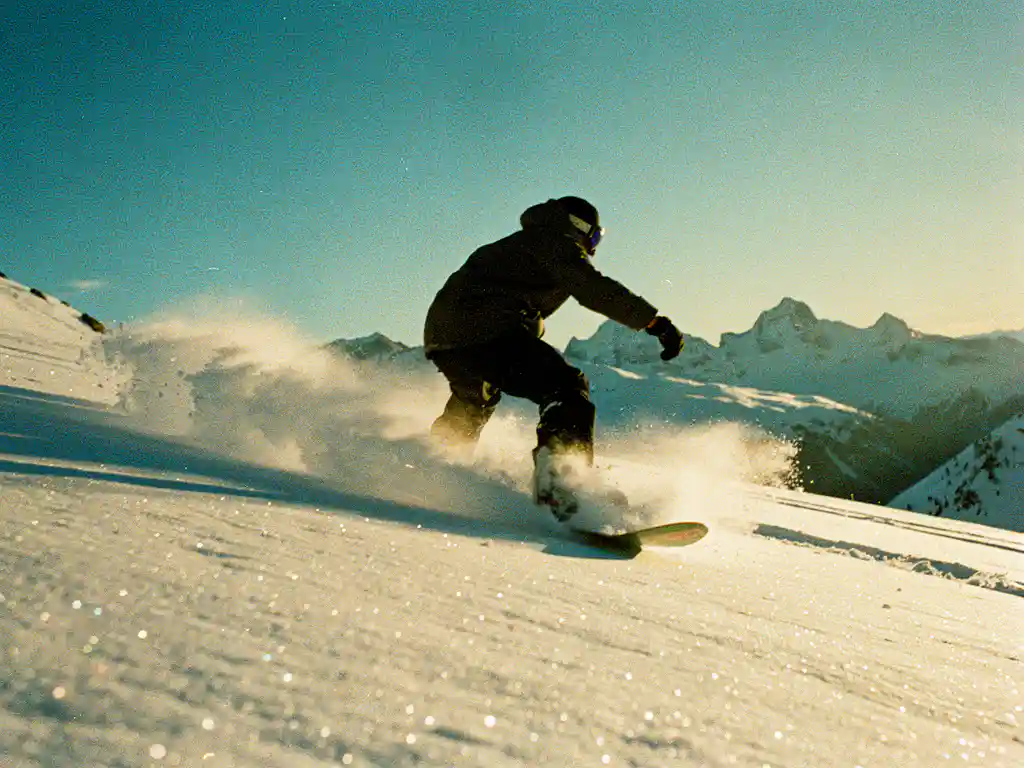
Most beginners can ride independently on blue slopes after 5 to 8 snowboard lessons. This means you can brake in a controlled manner, make turns, and fall safely. However, the exact time depends on your age, fitness level, and natural aptitude for the sport.
What does it mean to snowboard independently?
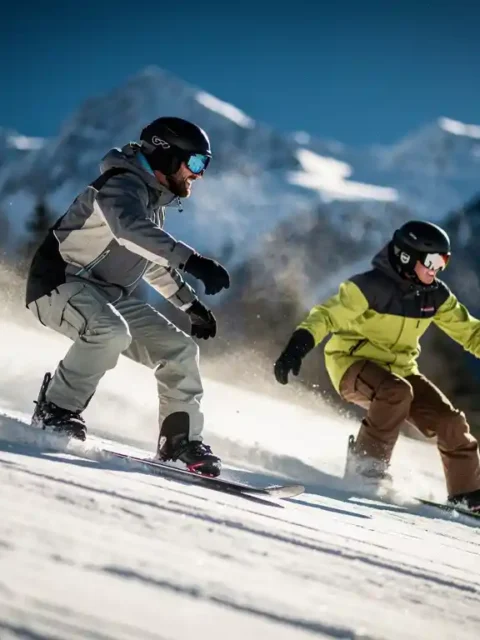
Independent snowboarding means you can descend safely and in a controlled manner on suitable slopes without an instructor. You master the basic techniques, such as braking, making turns and maintaining your balance, and you can get yourself out of difficult situations.
There is an important difference between simply sliding downhill and truly independent snowboarding. True independence means you can consciously choose your speed and direction, regardless of the terrain. You can stop when you want, avoid other winter sports enthusiasts, and keep your snowboard under control in different snow conditions.
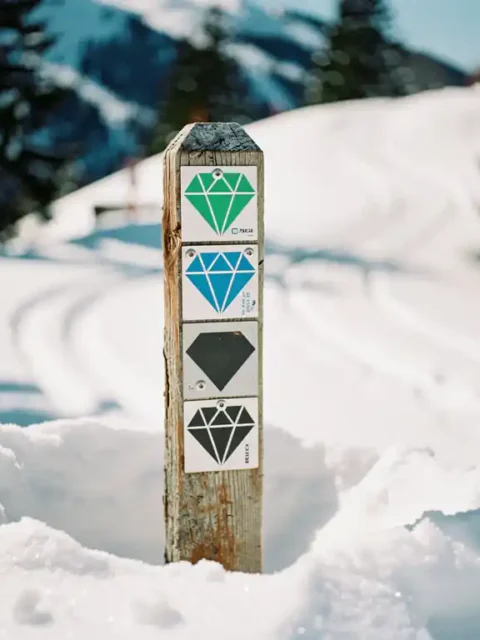
Independent snowboarding on blue slopes is very different from red or black slopes. Many snowboarders who feel independent on easy slopes discover that they need guidance again on steeper slopes. This is completely normal and actually shows sensible safety awareness.
How many lessons do you need on average before you can snowboard independently?
Most adults need between 5 and 8 snowboard lessons to be able to ride independently on blue slopes. Children often learn faster and are sometimes ready to snowboard independently on easy slopes after just 3 to 5 lessons.
Various factors significantly influence your learning speed. Your physical condition plays a major role: snowboarding demands a lot from your leg muscles and balance. Your age also makes a difference; children and teenagers usually learn faster because they have less fear and are more flexible.
Previous experience with board sports like skateboarding, surfing, or wakeboarding can accelerate your learning process. These sports develop similar balance skills and board control. On the other hand, skiers sometimes need longer because they have to get used to standing sideways on the board.
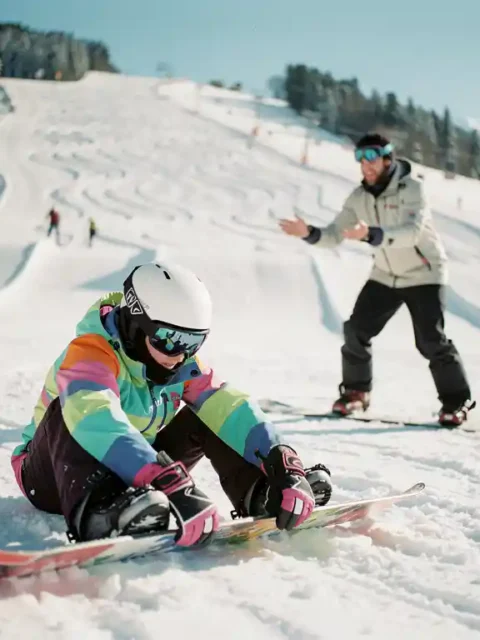
Private lessons usually accelerate your progress significantly compared to group lessons. In a private snowboard lesson, you get personal attention and the instructor can focus entirely on your specific challenges.
What skills must you master before snowboarding without an instructor?
Before snowboarding independently, you must master five essential techniques well: controlled braking, smooth turns in both directions, maintaining balance at different speeds, falling safely, and getting up independently.
Braking is the most important safety skill. You must be able to stop by placing your board across the slope and shifting your weight backward. Practice this until it becomes an automatic reflex. Smooth turns in both directions are crucial: many beginners have a preferred side and avoid difficult turns.
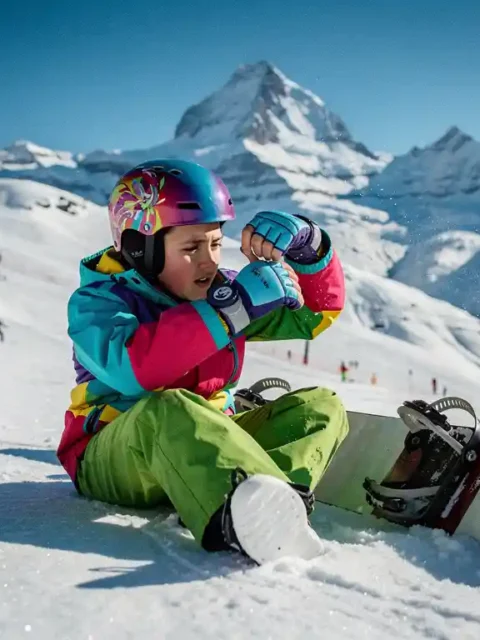
Maintaining your balance becomes more challenging as your speed increases. Make sure you feel comfortable at different speeds and can react to unexpected obstacles. Falling safely seems simple, but proper technique prevents injuries. Fall forward onto your knees and wrist guards, or backward onto your buttocks.
In addition to technical skills, you need safety awareness. This means knowing slope etiquette, respecting other snowboarders and skiers, and knowing when a slope is too difficult for you. You must also be able to assess weather conditions and know when it’s too dangerous to snowboard.
How can you find the best snowboard lessons through Ski-Pro for rapid progress?
Through Ski-Pro you can compare certified snowboard schools with more than 350 options and find the perfect instructor for your level. We make it easy to compare prices, lesson types, and availability, so you make the best choice for rapid progress.
The secret to rapid progress lies in finding the right instructor and lesson structure for your learning style. Some people learn better in small groups, where they can learn from others, while others benefit more from individual attention in private lessons.
We only work with certified and reputable snowboard schools. This means you are assured of quality education and safe teaching methods. Our instructors are trained in the latest teaching techniques and can adapt to different learning styles and levels.
The booking process through Ski-Pro is fast, transparent, and secure. You can read reviews from other students, view instructor profiles, and book directly. Whether you’re a beginner, going on vacation with your family, or want to refine your technique: we help you find the perfect snowboard lesson in your Alpine region.
What are the signs that you’re ready to snowboard independently?
You’re ready to snowboard independently when you can confidently stop, make turns in both directions without thinking about it, and feel comfortable at your current speed. You must also be able to handle different types of snow.
Concrete indicators of skill are: you can complete a full descent without falling, you brake in a controlled manner for obstacles, and you can safely pass other winter sports enthusiasts. Self-confidence is just as important as technical skill. If you’re still anxious or uncertain, take a few more lessons.
A good test is whether you can snowboard while having a conversation or looking at the landscape. If snowboarding still requires all your concentration, you’re probably not ready to ride completely independently. Your techniques should feel automatic.
You can make the transition from guided lessons to independent practice gradually. Start with short sessions on familiar slopes and build it up slowly. Many snowboarders also take occasional lessons after basic training to improve their technique or learn new skills.
How do you stay safe when snowboarding independently for the first time?
Always start on blue slopes you know well, snowboard only in good weather, and never go up the mountain alone. Always wear a helmet and wrist guards, and make sure someone knows where you are and when you’re expected back.
Choosing suitable slopes is crucial for safe independent snowboarding. Stay on slopes that are easier than your normal level. If you normally ride red slopes with an instructor, start independently on blue slopes. Never overestimate yourself when you’re alone.
Weather conditions can change quickly in the mountains. Avoid snowboarding in poor visibility, strong winds, or extreme cold. These conditions make snowboarding much more difficult and dangerous, even for experienced riders. Always check weather forecasts and slope conditions before you leave.
Know when you still need professional guidance. If you feel uncertain, fall often, or notice your technique is deteriorating, it’s time for a refresher lesson. Also when you want to try new slopes or improve your technique, an experienced instructor can help you make safe progress.
Frequently Asked Questions
Can I learn to snowboard faster by taking lessons every day during my ski vacation?
Yes, intensive lessons can accelerate your learning process, but do take rest days between lessons. Your muscles need time to recover and your brain needs to process new movements. An ideal schedule is taking lessons every other day, alternated with independent practice of what you've learned.
What should I do if I still don't dare to snowboard independently after 8 lessons?
This is completely normal and no reason for concern. Everyone learns at their own pace. Consider private lessons for more personal attention, or ask your instructor for specific exercises that can boost your confidence. Sometimes it also helps to practice with a friend or family member who can already snowboard.
What equipment do I need as a beginner independent snowboarder?
Besides your snowboard and boots, a helmet and wrist guards are essential for safety. Also consider back protection, especially if you're going to ride on somewhat steeper slopes. Rent equipment initially to experiment with different board types before buying your own gear.
How do I know if a red slope is too difficult for me as an independent snowboarder?
Always test the beginning of a red slope first. If you have trouble with your balance or controlled braking there, go back to blue slopes. A good rule of thumb: if you still fall regularly on a blue slope or have trouble with turns, you're not ready for red slopes yet.