
Where can you find the best children’s ski lessons in the Alps?
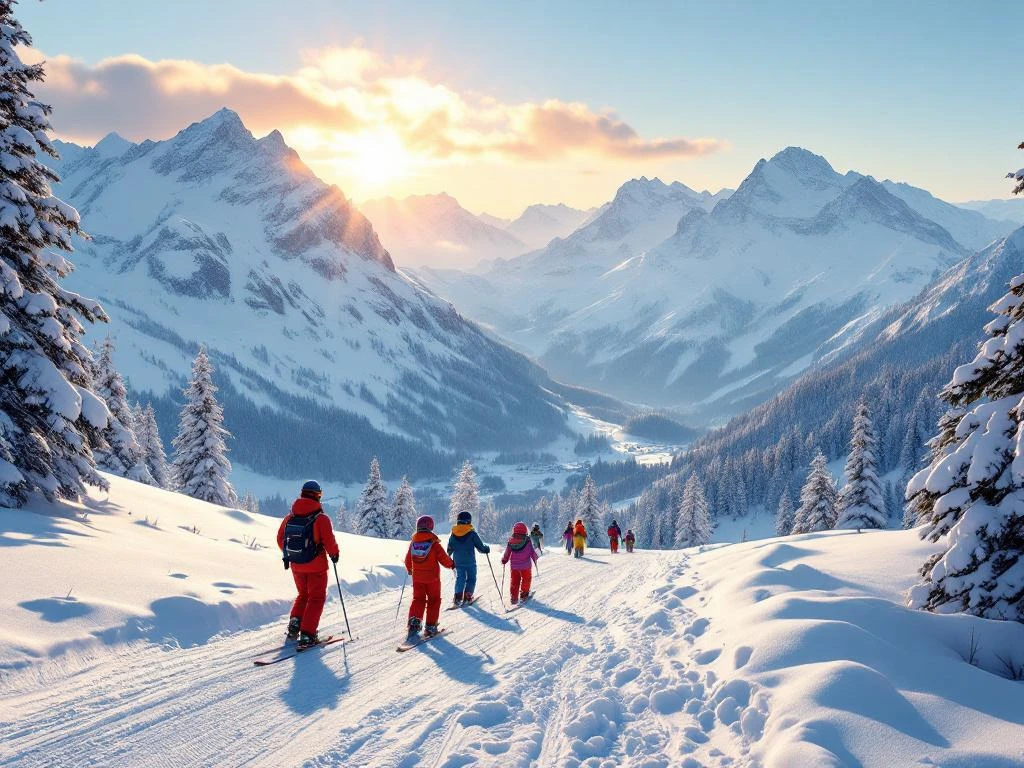
Looking for the best children’s ski lessons in the Alps? The best children’s ski lessons can be found at ski schools that specialize in teaching children, with small groups, experienced instructors, and a playful approach. Austria, Switzerland, France, and Italy all offer excellent options, but the ideal choice depends on the age of your child, the desired language level of the instructors, and the facilities of the ski area. In this guide, you’ll discover where to find the perfect ski lesson for your children and what to look for when booking.
What Characterizes a Good Ski School for Children in the Alps?
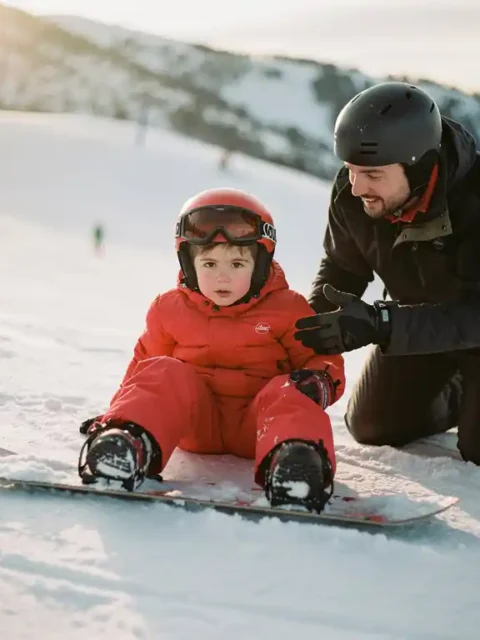
A good ski school for children in the Alps distinguishes itself through small groups of maximum 6-8 children, specially trained children’s instructors, and a safe, playful learning environment. The best ski schools offer separate zones for children with soft surfaces, fun obstacles, and colorful aids that make the learning process stimulating.
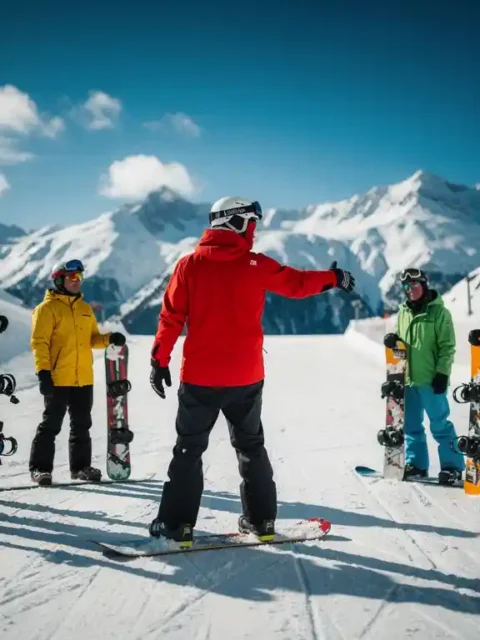
First, look at the group size. The smaller the group, the more personal attention your child receives. This is especially important for young children or beginners who need extra guidance. Some premium ski schools limit their children’s groups to just 4-5 children, providing a more intensive learning experience.
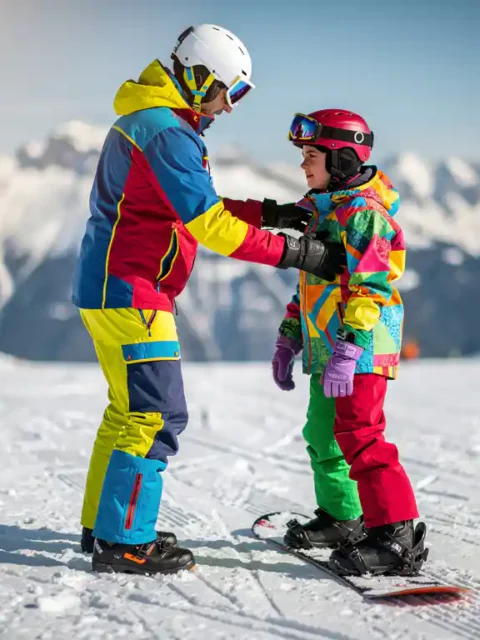
The qualifications and experience of instructors make a world of difference. Good children’s instructors have not only technical skills but also pedagogical qualities. They know how to communicate with children, how to remain patient, and how to make lessons fun. Look for ski schools where instructors have specific certifications for teaching children.
Child-friendly facilities are crucial. A top ski school has:
- A protected area specifically for children (often called “Kinderland”)
- Carpets or small drag lifts that are easy to use
- Colorful aids such as cones, arches, and mascot figures
- Heated indoor spaces for breaks and during bad weather
- Adapted equipment specifically designed for children
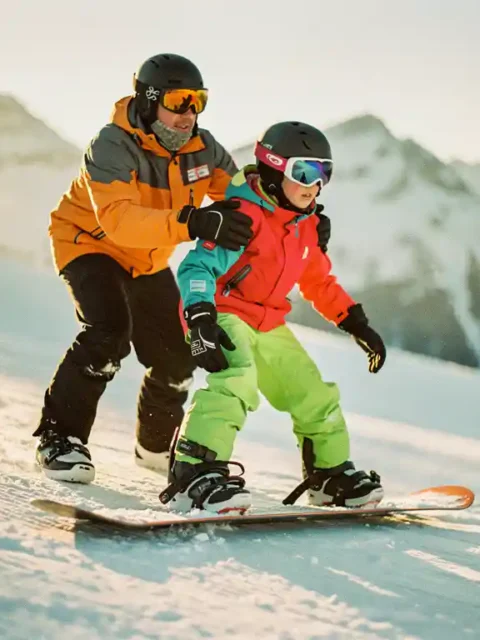
The teaching method is equally important. The best ski schools use a playful approach where children hardly realize they’re learning. They organize games, competitions, and adventures that make learning new skills fun. Some ski schools work with themes or storylines that run throughout the lesson week, keeping children extra motivated.
Also pay attention to practical matters such as the language of the instructors. Many ski schools in the Alps offer lessons in multiple languages, including English. For young children, receiving lessons in their native language is often more comfortable and effective.
Which Alpine Countries Offer the Most Child-Friendly Ski Areas?
Austria is known as the most child-friendly Alpine country, with ski areas such as Serfaus-Fiss-Ladis, Skiwelt, and Zell am See offering extensive facilities for young skiers. Switzerland excels in premium children’s ski lessons, France has large ski areas with special children’s spaces, and Italy combines child-friendliness with a relaxed atmosphere and often sunny conditions.
Austria has been a favorite among families for years. The combination of excellent ski schools, child-friendly accommodations, and the relatively short travel distance make it a logical choice. Serfaus-Fiss-Ladis is often mentioned as the top area for families and has an impressive “Kinderland” with various themed areas. Skiwelt Wilder Kaiser and Zell am See-Kaprun also score high with their extensive children’s facilities.
Austrian ski schools are known for their:
- Cheerful and patient instructors who often speak English
- Well-organized childcare alongside ski lessons
- Special children’s lunches and heated rest areas
- Final shows where children can demonstrate their new skills
Switzerland is somewhat more expensive, but offers premium children’s ski lessons in areas such as Arosa-Lenzerheide, Davos-Klosters, and Saas-Fee. Swiss ski schools are known for their high quality and professional approach. They often have excellent facilities and very well-trained instructors.
France has some of the largest ski areas in Europe, with plenty of space for special children’s zones. Les Trois Vallées, Tignes-Val d’Isère, and La Plagne all have extensive facilities for children. The French ski schools (ESF) have a standardized approach with clear levels and medals that children can earn, which provides a lot of motivation.
Italy combines child-friendliness with a relaxed Mediterranean atmosphere. Areas such as Val Gardena, Kronplatz, and Livigno have fantastic children’s facilities. A major advantage of Italian ski areas is that they are often sunnier, making it more pleasant for children to learn skiing outdoors. Moreover, prices in Italy are often somewhat lower than in France or Switzerland.
When choosing a country, it’s important to learn more about different ski areas and consider your children’s age, your budget, and how far you want to travel. For families with very young children, Austria may be ideal because of the shorter travel distance, while families with teenagers might appreciate the challenge of larger French ski areas.
How Do You Compare Children’s Ski Lessons on Price and Quality?
To effectively compare children’s ski lessons, look at the group size (ideally 4-8 children), the duration of the lessons (half or full days), inclusive services such as lunch and materials, the qualifications of instructors, and reviews from other parents. The price varies greatly depending on these factors, the season, and the prestige of the ski area.
Start by determining the lesson format that best suits your child. There are different options:
- Group lessons (most affordable, social aspect)
- Semi-private lessons (small groups of 2-4 children)
- Private lessons (maximum attention, fastest progress, highest price)
- Multi-day lesson packages (often with discount)
The duration of the lessons is an important consideration. For young children (3-6 years), lessons of 2-3 hours are usually sufficient, as their concentration and energy are limited. Older children can handle half-day (3-4 hours) or full-day programs (5-6 hours, including lunch). Full-day programs often offer more value, but are not always suitable for beginners or younger children.
Pay attention to what is exactly included in the price. Some ski schools charge separately for:
- Use of equipment (skis, boots, helmet)
- Ski passes for practice lifts
- Lunch and snacks
- Insurance
- Medals or certificates at the end of the week
The qualifications of the instructors are crucial for the quality of the lessons. Look at the percentage of qualified instructors and their specialization in teaching children. Good ski schools often mention this on their website or can provide this information upon request.
One of the best ways to assess quality is by reading experiences from other parents. Look for detailed reviews that discuss how the children were treated, how much they learned, and whether they had fun. Reviews that mention specific instructors are often the most valuable.
Don’t forget to look at extra services that can make a difference:
- Pick-up service at your accommodation
- Childcare before and after lessons
- Video analysis of skiing technique
- Flexibility during bad weather conditions
For most parents, balancing price and quality is important. Remember that the cheapest option rarely offers the best value. At the same time, more expensive doesn’t automatically mean better. Look for a ski school known for excellent teaching of children, with fair prices and transparency about what is and isn’t included in the price.
When Is the Best Time to Book Children’s Ski Lessons in Popular Alpine Resorts?
Book children’s ski lessons in popular Alpine resorts ideally 2-3 months before peak season (Christmas, spring break) and 4-6 weeks before quieter periods. Early booking not only guarantees availability but often better rates as well. For school holidays, booking extra early is essential, as many families head to the snow simultaneously.
The timing of your booking can make a big difference, both in terms of availability and price. During peak periods such as Christmas vacation, spring break, and school holidays, the best children’s ski schools fill up quickly. For these periods, it’s advisable to book at least 2-3 months in advance.
Pay attention to these specific busy periods where early booking is necessary:
- Christmas vacation (December 20 – January 5)
- Spring break (February-March, depending on the region)
- Easter vacation (early April)
For weekends and less busy weeks outside of school holidays, you can often book 4-6 weeks in advance. But even here, popular children’s ski schools with a good reputation fill up quickly.
The advantages of booking early go beyond just availability. Many ski schools offer early booking discounts, which can amount to 10-15% off the normal price. Moreover, you have more choice in lesson times, allowing you to choose a schedule that perfectly aligns with the rest of your vacation plans.
Are you considering a last-minute booking? This can sometimes work during quieter periods or at less well-known resorts. Some ski schools offer last-minute discounts to fill their remaining spots. The risk, however, is that the best options are already taken and you may have to settle for less favorable times or larger groups.
The most flexible booking policy is usually found outside the peak periods. If your children are not yet of school age, consider going outside of school holidays. You’ll benefit from lower prices, smaller groups, and often more personal attention from the instructors.
When booking, make sure you’re clear about the cancellation policy. Illness, injuries, or unexpected weather conditions can change your plans. Some ski schools offer flexible cancellation terms or the possibility to reschedule lessons, while others have strict rules, especially during peak season.
If you’re traveling with multiple children of different ages and levels, it’s extra important to book on time. This way, you can ensure their lessons are coordinated in terms of timing, so that you as a family still have time to ski together.
Conclusion: Make the Winter Sports Vacation Unforgettable for Your Children
Finding the perfect children’s ski lessons in the Alps is a matter of good preparation and knowing what to look for. Choose a ski school with small groups, specialized instructors, and a playful approach. Consider the different strengths of ski areas in Austria, Switzerland, France, and Italy. Compare lessons not only on price, but also on quality, inclusive services, and reviews. And don’t forget to book in time, especially during school holidays.
At Ski-Pro, we’re happy to help you find the perfect children’s ski lessons that meet the needs of your children. With access to more than 250 ski schools and instructors in the Alps, we can advise you on the best options for your family. Whether you’re looking for English-speaking instructors, small groups, or specific locations, we can help you make the right choice for an unforgettable winter sports experience.
Frequently Asked Questions
How do I best prepare my child for their first ski lesson?
Prepare your child mentally by watching videos of children's ski lessons together and talking positively about the adventure. Ensure the right equipment: well-fitting ski boots, helmet, waterproof gloves, and layered clothing. Teach your child simple commands in the instructor's language and practice wearing ski boots and falling and getting up at home. Arrive a day before the first lesson to acclimatize and take your child to the meeting point so the environment is familiar.
What if my child is afraid or doesn't want to participate in the ski lesson?
Fear is normal when learning to ski. Discuss concerns in advance with the ski school; experienced instructors know how to reassure anxious children. Consider a private lesson for the first day or a short trial lesson. Stay positive but don't force anything; sometimes it helps if a parent stays for the first few minutes. Reward participation, however small, and give compliments for courage. If fear persists, you can often switch to private lessons or request another instructor.
How much progress can I expect after a week of ski lessons for my child?
Progress depends on age, aptitude, and previous experience. Children aged 4-6 usually learn basic skills such as plowing, stopping, and simple turns on beginner slopes. Children aged 7-10 often make faster progress and can ski on blue runs by the end of the week. Teenagers may even be able to handle red runs after a week. Keep your expectations realistic and focus on fun - some children need more time than others. Ask for feedback from the instructor midweek for a realistic assessment.
What should I do if my child and the ski instructor don't understand each other well?
Communicate the language problem directly to the ski school; most schools can switch instructors or add a bilingual helper. Teach your child some basic phrases in the instructor's language and create visual aids such as instruction cards with pictures. Ask if your child can be placed in a group with others who speak the same language. If language problems persist, consider an instructor who speaks your language, even if this means switching to private lessons or another ski school.
How do I combine children's ski lessons with my own skiing plans as a parent?
Plan your own skiing around your children's lesson hours: book morning sessions for children so you can have lunch together and ski together in the afternoon. Alternate with your partner so one parent is always available. Choose accommodation close to the ski school to minimize travel time. Many resorts offer 'ski together' programs where parents can join the lesson for the last 30 minutes. For maximum flexibility, consider resorts with childcare or after-school ski activity programs.
What ski equipment should I purchase in advance and what is better to rent on location?
Buy personal items in advance such as a well-fitting helmet, ski gloves, thermal underwear, ski socks, and ski goggles. These items are important for comfort and safety. Rent skis, ski boots, and poles on location, as children grow quickly and you often get better quality through professional rental services in the ski area. Many ski schools work with rental services and offer discounts. For very young children (3-4 years), special children's skis with simple bindings are most suitable, which are usually only available on location.
What are the options if my child no longer wants to follow ski lessons halfway through the week?
First discuss with the instructor why your child no longer wants to participate. Often there are simple solutions such as adjusting the group or teaching method. Most ski schools offer flexibility to switch to private lessons or shorter sessions. Some schools have a 'pause day' option where children can skip a day without losing the entire course. Alternatively, many ski areas offer other winter activities such as sledding, snowshoeing, or indoor swimming that can be a welcome change. Don't force your child to continue if they are truly unhappy - this can lead to a lasting aversion to skiing.