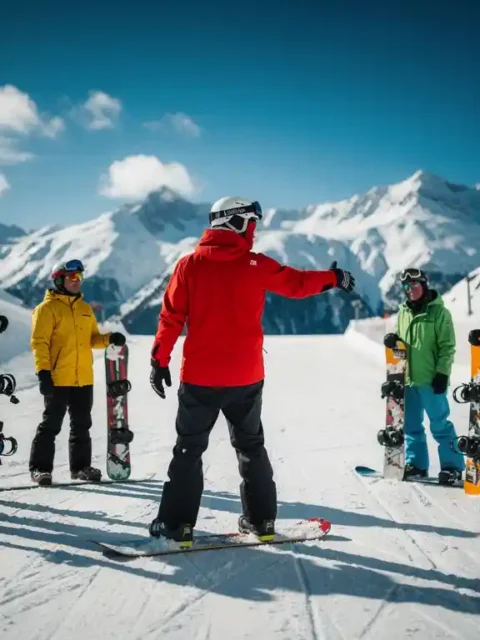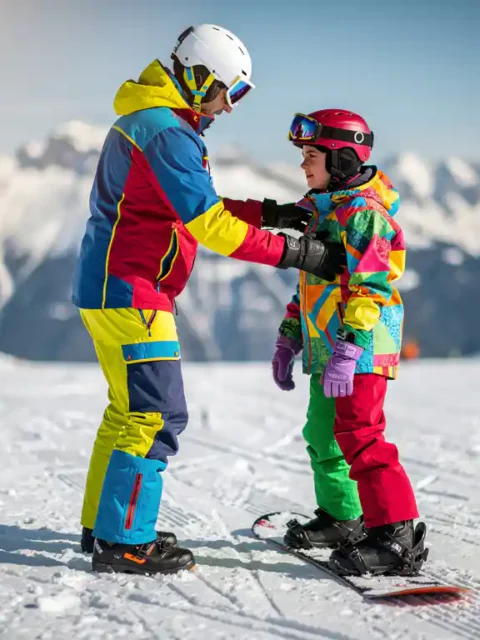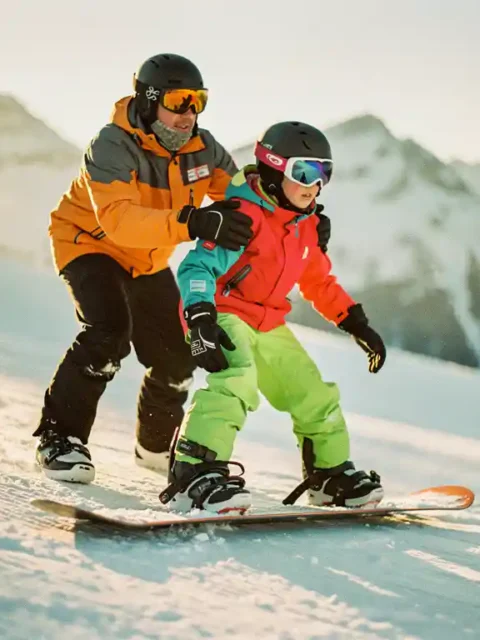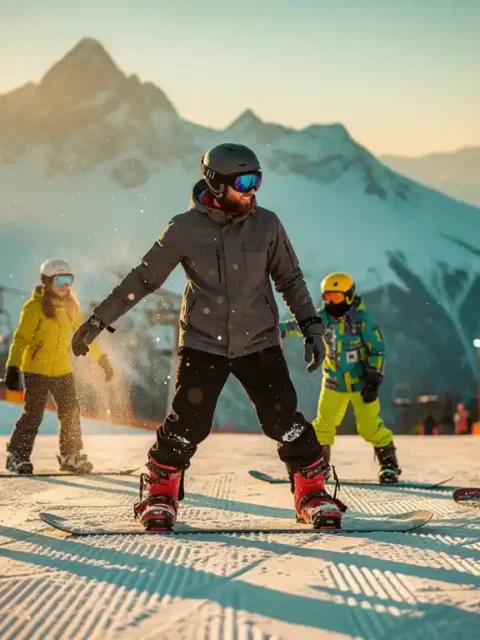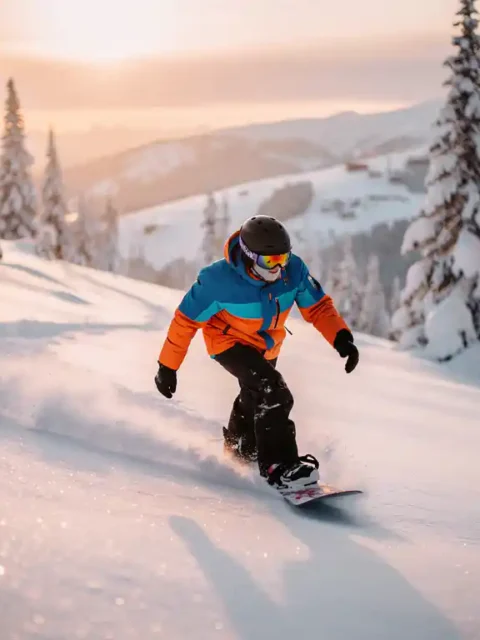

What snowboard techniques do you learn as a beginner?
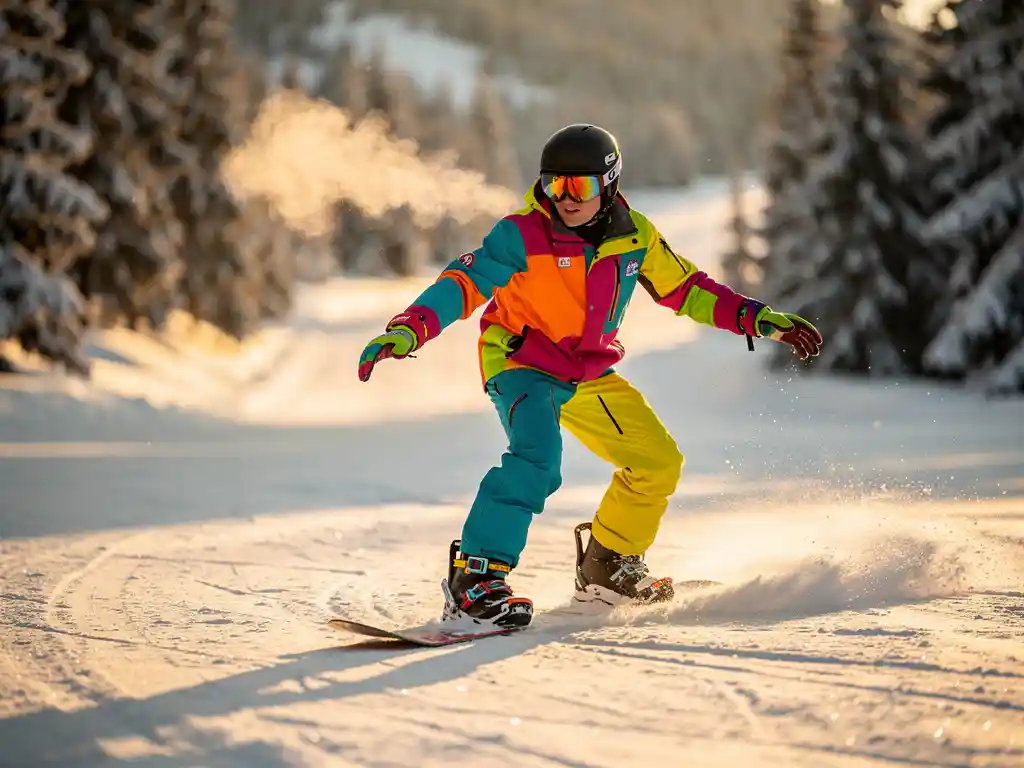
As a beginner, you learn fundamental snowboarding techniques that form the foundation for safe and enjoyable snowboarding. The most important skills are finding your proper stance, falling and getting up safely, effective braking and stopping, and making your first turns. These techniques build upon each other and provide a strong foundation. With proper instruction through snowboard lesson programs, you can quickly master these skills.
What are the most important snowboarding techniques every beginner must learn?
The fundamental snowboarding techniques for beginners include stance, balance, safe falling, braking, and basic turns. These five core skills form the foundation for all further snowboard development and ensure safe progression on the slopes.
Your stance is literally your foundation on the board. It determines how stable and balanced you stand, which directly affects your control and confidence. Good balance helps you stay alert to changing snow conditions and slopes.
Safe falling is perhaps the most undervalued skill. As a beginner, you’re going to fall, so it’s crucial to know how to do it safely. This prevents injuries and keeps your enjoyment of the sport intact.
Braking and stopping give you control over your speed, which is essential for safety on busy slopes. Making your first turns opens the door to true snowboarding freedom and enjoyment.
How do you find the right snowboard stance as a beginner?
You determine your proper snowboard stance based on your natural foot preference, binding angles between 15 and 21 degrees, and a stance width approximately equal to your shoulder width. Most beginners start with a duck stance, where both feet point slightly outward.
Start by determining whether you’re regular (left foot forward) or goofy (right foot forward). A simple test: have someone give you a light push and see which foot you step forward with to maintain your balance.
For binding angles, we recommend beginners start with +15 degrees for the front foot and -6 degrees for the back foot. This duck stance provides stability in both directions and makes learning turns easier.
Your stance width should feel comfortable. Too narrow and you lose stability; too wide and you become less maneuverable. Experiment within a range of 50 to 60 centimeters, depending on your build.
Which falling technique prevents injuries when learning to snowboard?
Safe falling means falling forward onto your knees and forearms, or backward onto your buttocks, while keeping your arms relaxed. Avoid sticking out your hands to break a fall; this often causes wrist injuries.
When falling forward, try to land controlled on your knees and roll through to your forearms. Keep your chin up to protect your face. This technique spreads the impact over a larger surface area.
When falling backward, let your buttocks do the work. Keep your arms relaxed beside your body instead of sticking them out. Your back and buttocks can absorb the impact much better than your wrists.
Getting up after a fall also requires technique. Turn your snowboard across the slope, use your toe edge to get grip, and push yourself up from a kneeling position. Practice this on flat terrain before going to steeper slopes.
How do you learn to brake and stop effectively on a snowboard?
You learn effective braking by mastering the falling-leaf technique, where you zigzag down the slope while alternately supporting yourself on your toe and heel edges. For a complete stop, you turn your board completely across the slope.
The falling leaf is your first braking technique. Stand across the slope and shift your weight to your toes (toe edge) to slide left, then to your heels (heel edge) to go right. This way you control your speed naturally.
For a hockey stop, you turn your board completely across the slope while you still have speed. This requires more strength and balance, but gives you direct control over your speed.
Practice these techniques first on very gentle slopes. Gradually build up to steeper terrain as your confidence grows. Good braking technique is the foundation for safe snowboarding in all conditions.
What’s the best way to make your first snowboard turns?
You make your first turns by gradually shifting your weight from your heel edge to your toe edge, while turning your shoulders and hips in the desired direction. Start with large, slow turns before trying smaller, faster turns.
Start each turn by turning your shoulders and gaze in the direction you want to go. Your body naturally follows your gaze. Gradually shift your weight to the correct edge while making this movement.
For a turn to the right (as a regular rider), shift your weight to your toes and turn your upper body to the right. For left, go to your heels and turn left. Keep your knees slightly bent for better control.
Timing is crucial when making turns. Don’t force anything, but let the turn develop naturally through your weight shift. With a good snowboard lesson, you’ll learn this timing much faster than by experimenting alone.
Why Ski-pro is the best choice for booking snowboard lessons?
Ski-Pro provides access to more than 350 certified snowboard schools in the Alps, allowing you to compare prices, lesson types, and availability in one place. Our platform connects you with qualified instructors who specialize in beginner instruction.
As powder-spotting, first-track hunting snow lovers, we understand that you want to maximize your precious time on the mountain. That’s why we only work with certified schools that deliver proven quality.
Through our platform, you can easily compare group lessons and private instruction, different levels and lesson types. Whether you want to book your first snowboard lesson or refine your techniques, we help you find the perfect match.
Our booking process is transparent and secure, specially designed for beginners who want certainty about their snowboarding experience. You’ve come to the right place for reliable, qualified instruction in the most beautiful Alpine destinations.
Learning to snowboard begins with mastering these fundamental techniques. From finding your stance to making your first turns: each skill builds upon the previous one. With proper guidance through professional snowboard lessons, you can develop these techniques safely and efficiently, so you can quickly enjoy everything snowboarding has to offer.
Frequently Asked Questions
How long does it take before I can snowboard independently as a complete beginner?
Most beginners can master the basics and ride independently on blue slopes after 3-5 lesson days. This depends on your natural balance, physical condition, and the quality of your instruction. With intensive private lessons, you can accelerate this process to 2-3 days.
What equipment do I need as a beginning snowboarder and do I need to buy everything?
As a beginner, it's wise to rent everything first: snowboard, bindings, boots, helmet, and wrist guards. This way you can try different brands and sizes before investing. Only buy your own equipment once you're certain snowboarding is your sport and you know your preferences.
What are the most common mistakes beginners make and how do I avoid them?
Beginners often look down instead of ahead, stand too stiffly on their board, and try to go too fast. Avoid these mistakes by keeping your gaze focused on where you want to go, keeping your knees slightly bent, and being patient with your progression. A good instructor helps you avoid these habits.
Are group lessons or private lessons better for beginners who want to learn quickly?
Private lessons are more effective for rapid progression because the instructor can focus entirely on your needs and correct mistakes immediately. Group lessons are more social and cheaper, but your progress depends on the group's pace. For anxious beginners or people with limited time, private lessons are the best investment.