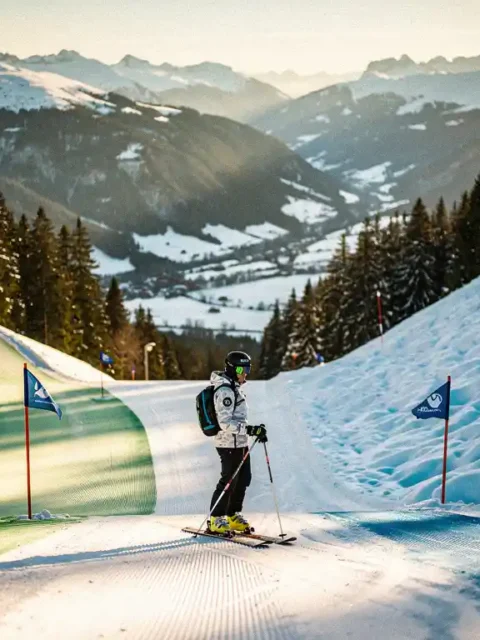

What equipment do you need for a snowboard lesson?
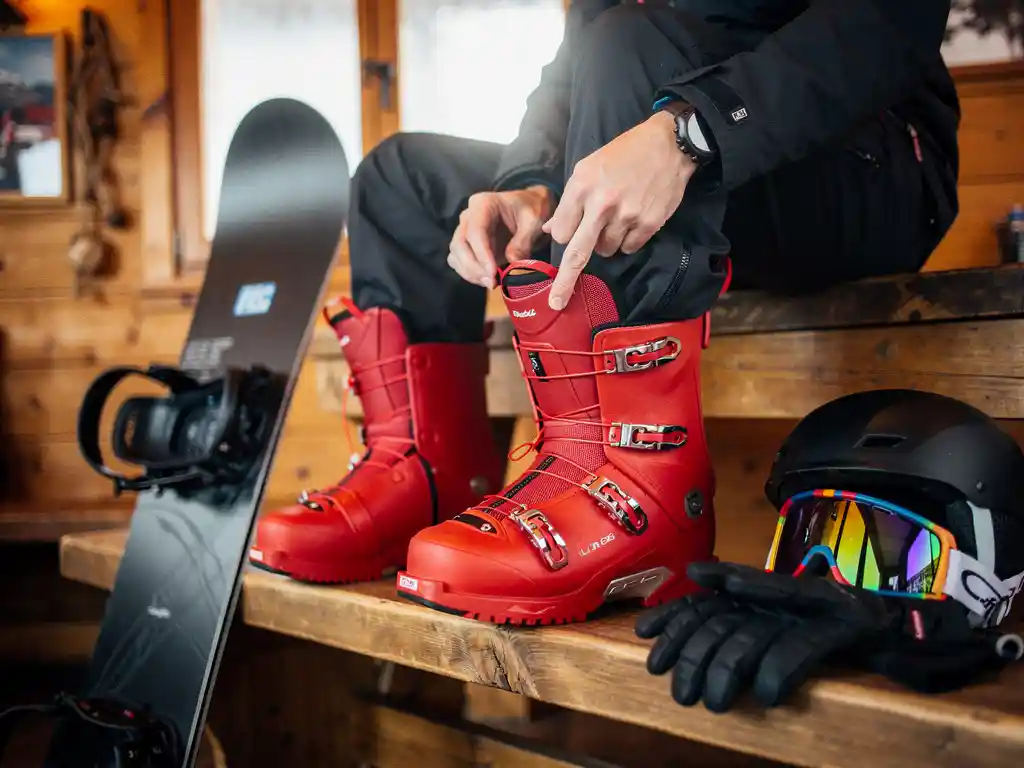
For a snowboard lesson, you need essential equipment: a snowboard, boots, bindings, a helmet, and warm, protective clothing. This basic equipment ensures safety and comfort during your first snowboarding experience. As a powder-spotting snow lover, you know that the right gear makes the difference between a fantastic day on the slopes and a cold, uncomfortable experience.
What is the absolute basic equipment you need for snowboarding?
The absolute basic equipment for snowboarding consists of five essential components: a snowboard, snowboard boots, bindings, a helmet, and warm, protective clothing. Without these items, you cannot safely participate in a snowboard lesson.
Your snowboard is naturally the most important component. This board carries your weight and provides the gliding experience on the snow. The snowboard boots connect your feet to the board and give you control over your movements. Bindings are the crucial link between your boots and your board.
A helmet protects your head from falls and collisions, which is especially important during your first lessons when you’re still finding your balance. Warm, water-repellent clothing keeps you dry and at the right temperature, so you can focus on learning techniques instead of shivering from the cold.
Good gloves, a ski mask, and thermal underwear complete your basic outfit. These items ensure you stay comfortable during longer sessions on the mountain and can direct your energy toward perfecting your snowboarding skills.
What snowboard size and type works best for beginners?
For beginners, an all-mountain snowboard of 150-160 cm is ideal, depending on your height and weight. The board should reach somewhere between your chin and nose when you stand upright. A soft to medium flex forgives mistakes more easily.
The width of your snowboard depends on your shoe size. Your boots should extend no more than 1-2 cm over the board edge. Too much overhang causes problems when making turns, while too little overhang limits your control.
All-mountain boards are perfect for beginners because they’re versatile and perform well on different types of snow and terrain. They usually have a directional twin shape, which means they’re symmetrical but with a stance positioned slightly toward the back.
Avoid stiff race boards or specific freestyle boards as a beginner. These are designed for advanced riders and make learning basic techniques unnecessarily difficult. A good beginner board has a forgiving character that compensates for small mistakes.
How do you choose the right snowboard boots and bindings?
Snowboard boots must fit perfectly without pressure points, with minimal heel movement. They should feel comfortable from the first moment you put them on. Soft boots (flex rating 3-5) are ideal for beginners because they offer more comfort and freedom of movement.
Fit is more important than brand. Your foot shouldn’t slide in the boot, but your toes shouldn’t press painfully against the front either. Walk around in the boots for a few minutes before deciding, as your feet adjust to the shape.
For bindings, choose a system that’s compatible with your boots. Most modern boots and bindings use the universal 4×4 or 2×4 hole pattern. Make sure your bindings fit both your boots and your board.
Adjust your bindings to your natural stance width. Stand upright and jump forward a bit: where your feet land is approximately your ideal stance width. Most beginners start with a 15° angle on the front foot and 0° on the back foot, but you can adjust this later to your personal preference.
Why is safety equipment essential for snowboard lessons?
Safety equipment is essential because snowboarding carries an increased risk of falling, especially for beginners who are still developing their balance and control. A helmet can prevent head injuries, while wrist guards and back protection protect other vulnerable body parts.
Wrist guards are particularly important for snowboarders because your natural reaction when falling is to extend your hands. This can lead to wrist fractures, one of the most common snowboarding injuries. Good wrist guards absorb impact and distribute the force.
A back protector shields your spine during backward falls, which often happen while learning your first turns. This protection is light and flexible and doesn’t restrict your freedom of movement during lessons.
Knee and elbow pads can also be useful, especially if you plan to practice in the terrain park or ride more aggressively. Investing in good safety equipment means you can learn with more confidence and make faster progress.
How Ski-Pro helps you find the best snowboard lessons
Ski-Pro makes finding the perfect snowboard lesson simple by comparing more than 350 snowboard schools in the Alps on one platform. You can view prices, lesson types, group versus private lessons, levels, and availability side by side to make the best choice.
We only work with certified and reputable snowboard schools, ensuring safety and quality during your lessons. All instructors on our platform have proven expertise and experience in teaching both beginners and advanced riders.
The booking process is fast, transparent, and secure. Whether you’re a beginner wanting your first snowboarding experience, a family with children of different levels, or an advanced rider looking to perfect specific techniques: we help you find the right match.
Through our extensive comparison options, you’ll find not only the best price-quality ratio but also the teaching style that best fits your learning preference. From intensive private lessons to fun group lessons: we ensure your snowboarding adventure perfectly matches your wishes and budget.
With the right equipment and a good snowboard lesson through Ski-Pro, you’re ready for unforgettable moments on the mountain. Our community of first-track hunting snow lovers is ready to help you find the perfect combination of gear and instruction for your snowboarding trip.
Frequently Asked Questions
Can I rent my snowboard equipment or do I need to buy everything for my first lesson?
For your first snowboard lessons, you can rent all equipment at most ski resorts and snowboard schools. This is often the smartest choice because you can first experience which size and style fits you best before investing in your own gear. Renting costs approximately €30-50 per day for a complete set.
How long does it take before I can snowboard independently after my first lessons?
Most beginners can make basic turns and safely descend blue slopes after 3-5 days of lessons. Your progress depends on your natural sense of balance, physical condition, and the quality of instruction. Private lessons usually accelerate the learning process compared to group lessons.
What are the most common mistakes beginners make when choosing equipment?
Beginners often choose a snowboard that’s too stiff or too big, boots that don’t fit properly, or forget safety equipment like wrist guards. Many beginners also underestimate the importance of good, water-repellent clothing. Always get advice from a specialist and try everything before buying.
What physical preparation can I do for my first snowboard lessons?
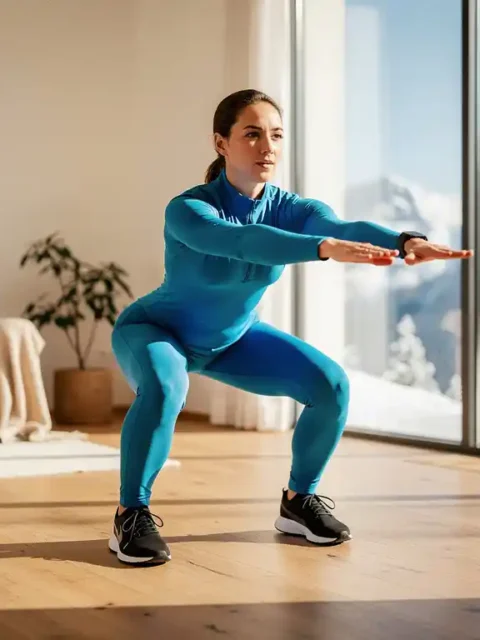
Focus on leg muscles, core stability, and balance through exercises like squats, lunges, and yoga. Cardio training helps with endurance at altitude. Start several weeks before your trip with balance exercises on a wobble board or skateboard to improve your sense of balance.