How do you take snowboard lessons with a physical disability?

Snowboard lessons with a physical disability are completely possible thanks to adaptive techniques and specialized equipment. Adaptive snowboarding offers people with various physical disabilities the chance to experience the mountains with adapted methods and professional guidance. With the right preparation, equipment, and certified instructors, you can safely enjoy the beautiful Alpine world and discover your passion for winter sports.
What is adaptive snowboarding and who is it suitable for?
Adaptive snowboarding is a modified form of snowboarding, specially developed for people with physical disabilities. It uses modified techniques, equipment, and teaching methods to make snowboarding accessible to everyone, regardless of their physical abilities.
This form of snowboarding is suitable for people with different types of disabilities. Mobility impairments such as amputations, spinal cord injuries, or muscle diseases can be accommodated with sit-skis or mono-skis. People with visual impairments can snowboard with the help of a guide-instructor who provides auditory instructions. Individuals with neurological conditions, balance problems, or partial paralysis can also benefit from adapted snowboarding techniques.
The benefits of adaptive snowboarding extend beyond just physical activity. It builds self-confidence, improves overall fitness, and provides a great way to make social connections. Many participants experience an enormous sense of freedom and satisfaction when they descend the mountain, which has a positive impact on their mental well-being.
What adaptive equipment do you need for snowboarding with a disability?
Equipment for adaptive snowboarding varies depending on your specific disability and needs. Sit-skis are popular among people with leg impairments: this is a chair mounted on a ski or snowboard, allowing you to snowboard while seated. Mono-skis offer more freedom of movement for experienced users.
For people with arm amputations or limited arm function, outriggers are essential: these are short skis with handles that help with steering and balancing. Adaptive bindings can be adjusted to different foot shapes or prostheses. Special helmets with communication systems are useful for people with visual impairments.
Other important equipment includes adaptive ski clothing that is easy to put on and take off, heated gloves for people with reduced circulation, and special protective clothing for sensitive body parts. Most ski schools that offer adaptive lessons have this specialized equipment available for rental.
How do you find the best ski schools for adaptive snowboard lessons through Ski-Pro?
Ski-Pro makes finding certified ski schools for adaptive snowboard lessons easy by comparing more than 350 ski schools in the Alps. Our platform specifically shows which schools specialize in adaptive snowboarding and what certifications their instructors have.
When choosing the right instructor through our platform, you can filter by specific needs and experience levels. We show which schools have the right equipment for your disability and which instructors are trained in adaptive techniques. You can compare prices, availability, and reviews to find the perfect match.
Important criteria in your choice are: certification in adaptive winter sports, experience with your specific disability, availability of adapted equipment, and the possibility of private lessons. Through Ski-Pro, you can directly contact ski schools to discuss your specific needs before booking. This ensures that your instructor is fully prepared for your first snowboard lesson.
Which snowboarding techniques are most effective for beginners with a disability?
For beginners with a disability, adaptive snowboarding techniques always start with building balance and confidence. Depending on your disability, you learn adapted methods to maintain your balance, such as using outriggers for arm support or developing core stability when sit-skiing.
Basic balance exercises often start on flat terrain, where you learn how your equipment responds to movements. For people with leg impairments, the focus is on developing upper body strength and rotation. Visually impaired snowboarders learn sound and tactile recognition to feel terrain changes.
Safe falling techniques are crucial and are adapted to your disability. Instructors teach you how to safely stop, fall, and get back up with your specific equipment. Progressive learning methods ensure that you develop new skills step by step without exceeding your limits. Most adaptive lessons start on very gentle slopes and gradually build up to more challenging terrain.
What are the safety aspects of adaptive snowboarding?
Safety in adaptive snowboarding begins with a thorough risk assessment by a certified instructor. Before each lesson, your medical situation, experience, and daily condition are evaluated to determine the appropriate safety level.
Communication with your instructor about your specific needs is essential. Always mention pain complaints, medications you use, or days when your condition is different from normal. Certified adaptive snowboard instructors are trained in first aid and emergency procedures, specifically for people with disabilities.
Emergency procedures on the slope are adapted for adaptive snowboarders. Your instructor knows how to call for help and how you can be safely evacuated with your specific equipment. Weather conditions are monitored extra carefully, as people with certain disabilities may be more sensitive to cold or altitude differences. Wearing the right protective equipment, including helmet and back protection, is always mandatory.
How do you prepare mentally and physically for your first adaptive snowboard lesson?
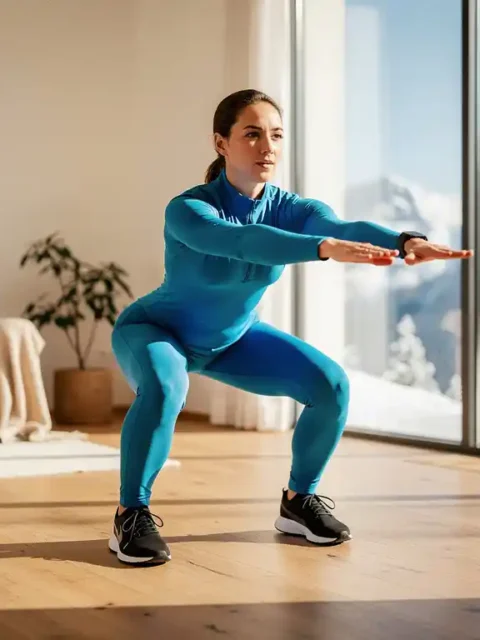
Preparation for your first adaptive snowboard lesson combines physical training with mental preparation. Physical preparation focuses on strengthening muscle groups you will use: for sit-skiers this means upper body and core training, while standing snowboarders work on leg strength and balance.
Mental preparation is equally important. Expect your first lesson to be relaxed and focused on getting to know your equipment and basic balance techniques. Most beginners need several lessons before they comfortably descend the mountain, and that is completely normal.
Communication with your instructor about your disability doesn’t have to be complicated: just be honest about what you can and cannot do, and what you hope to achieve. Building confidence is done by setting realistic goals and celebrating every small progress. Don’t forget that adaptive snowboarding is a journey, not a destination. With the right preparation and guidance, you can soon enjoy the wonderful feeling of freedom that snowboarding offers, regardless of your physical challenges.
Frequently Asked Questions
How expensive are adaptive snowboard lessons and is this covered by health insurance?
Adaptive snowboard lessons usually cost between €80-120 per private lesson, depending on location and duration. Some health insurers reimburse part of the costs under sports therapy or rehabilitation, especially if it is medically prescribed. Contact your insurer to inquire about the possibilities and keep all receipts and medical advice.
Can I do adaptive snowboarding if I have never skied or snowboarded before?
Absolutely! Many people with a disability start their winter sports adventure with adaptive snowboarding without previous experience. Certified instructors are specially trained to guide complete beginners and adapt the lesson pace to your learning ability. Most adaptive snowboarders start as complete newcomers and develop their skills step by step.
What happens if the weather is too bad for my booked adaptive snowboard lesson?
In bad weather, certified adaptive instructors assess extra carefully whether conditions are safe, as people with certain disabilities may be more sensitive to extreme weather conditions. Most ski schools offer flexible cancellation options or move the lesson to a better day. Through Ski-Pro you can inquire in advance about the weather and cancellation policy of your chosen ski school.
How long does it take before I can snowboard independently with a disability?
This varies greatly per person and type of disability, but most adaptive snowboarders need 5-10 lessons to develop basic skills. Some snowboard independently on easy slopes after 3-4 lessons, while others need more time. Your instructor helps you set realistic goals and monitor your progress, so you can safely and confidently push your boundaries.