
What if you’re scared during snowboard lessons?
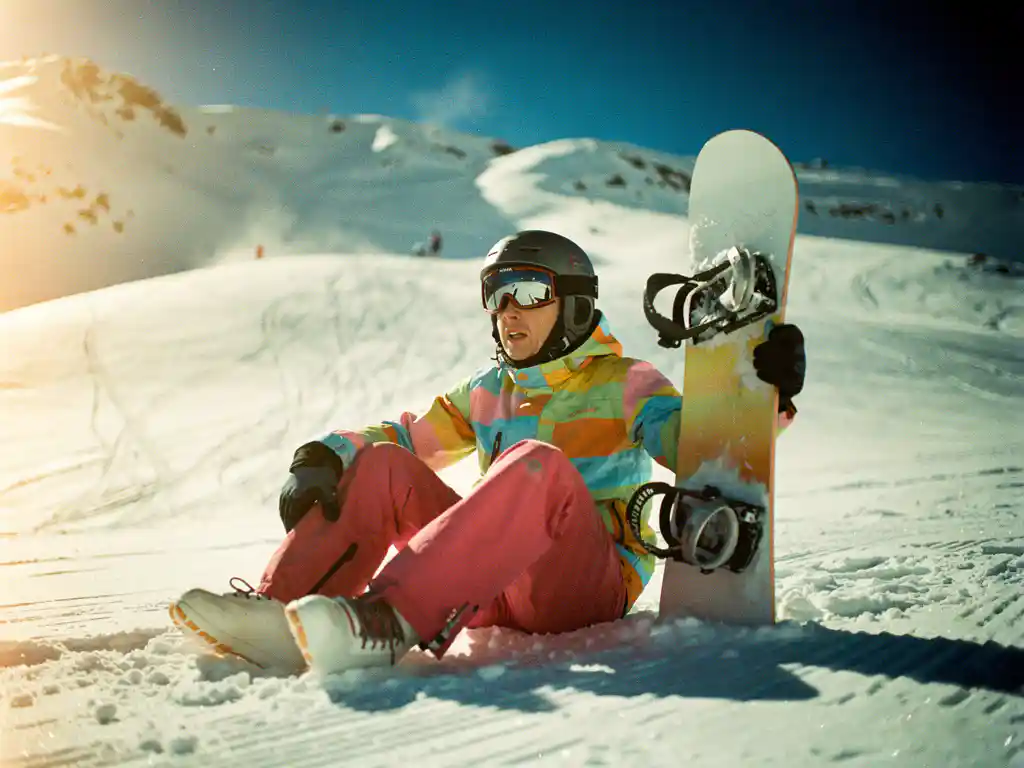
Fear during your first snowboarding lesson is completely normal and understandable. Your body naturally reacts to unfamiliar situations, such as speed, height, and the risk of falling. These feelings arise from a lack of experience and control, but gradually disappear as you build more confidence. With proper preparation, a good instructor, and practical techniques, you can overcome this fear and enjoy snowboarding.
Why are you actually afraid during your first snowboarding lesson?
Fear while snowboarding stems from natural survival instincts that protect you from potential danger. Your brain registers the unfamiliar environment, speed, and height as risk factors, causing your body to produce stress hormones.
The most common fears among beginners are:
- Fear of falling – Especially on hard snow or ice
- Uncontrollable speed that increases too quickly
- Fear of heights on steep slopes
- Fear of collisions with other skiers
- Uncertainty about proper technique
These fears are completely normal because you haven’t built up experience yet. Your muscles don’t know the movements, which makes you feel insecure. As you practice more, these movements become automatic and the anxious feeling decreases.
What can you do to reduce your fear before you start?
Good preparation helps enormously to reduce fear before you hit the slopes. Start with mental preparation by visualizing yourself snowboarding successfully and nurturing positive thoughts about the experience.
Practical preparation tips:
- Ensure good equipment – Well-fitting boots and protective clothing
- Start on very easy, wide slopes
- Get enough rest the night before
- Eat a nutritious breakfast for stable blood sugar levels
- Avoid caffeine if it makes you nervous
- Watch instructional videos to understand basic concepts
It also helps to have realistic expectations. No one becomes an expert snowboarder in one day. By setting small goals, like simply staying upright for the first hour, you gradually build confidence.
How do professional instructors help overcome snowboarding fear?
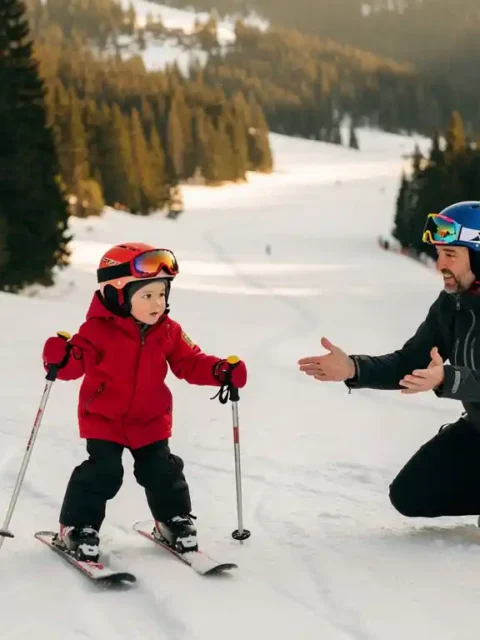
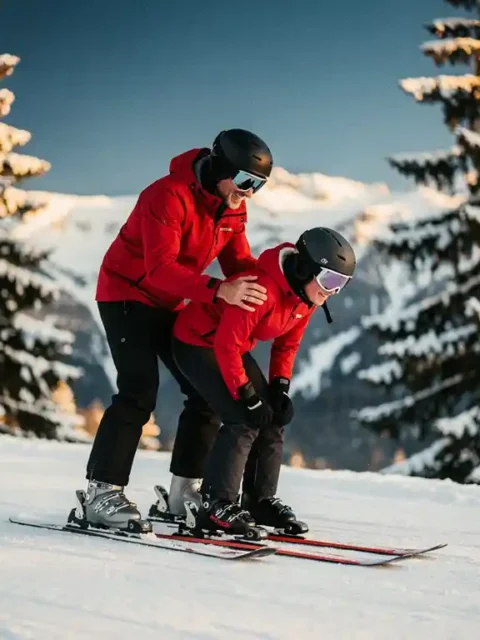
Certified snowboarding instructors are specifically trained to work with anxious beginners. They understand the psychology behind fear and know how to create a safe, supportive learning environment where you feel comfortable.
Professional instructors use proven techniques:
- Gradual progression – From standing still to slow movements
- Positive encouragement and patience
- Demonstration of safe falling techniques
- Adaptation of teaching methods to your pace
- Constant presence for support
A good instructor acknowledges your fears without trivializing them. He or she explains why certain techniques are safe and helps you build confidence step by step. Thanks to their experience, they can prevent potential problems before they arise.
Why Ski-Pro is the best choice for anxious snowboarding beginners?
Ski-Pro understands that anxious beginners need special attention, which is why we compare more than 350 certified ski schools in the Alps. Our instructors specialize in working with beginners and have experience overcoming snowboarding fear.
Through our platform you can easily find:
- Instructors specialized in anxious beginners
- Comparison of teaching methods and personalities
- Transparent reviews from other beginners
- Flexible booking options for your comfort
- Choice between private lessons or small group lessons
We help you find the perfect match based on your specific needs, location, and anxiety level. Our ski schools are selected for their ability to guide beginners with patience and understanding, ensuring you have a positive first experience.
Which snowboarding techniques help you gain more confidence?
Specific basic techniques can significantly reduce your fear by giving you more control. The most important thing is learning how to fall safely and get back up, as this eliminates the fear of falling.
Confidence-building techniques:
- Correct falling position – Fall on your side, not backward
- Braking technique with your heel edge
- Gradually building up speed
- Proper body posture with slightly bent knees
- Practicing J-turns for directional control
- Learning to stop on command
Always start with exercises on flat ground before moving to slopes. Practice strapping in your board, shuffling, and maintaining your balance. These fundamental skills give you the confidence that you have control over the board.
What should you do if fear becomes too overwhelming during the lesson?
If panic or overwhelming fear arises during your snowboarding lesson, it’s crucial to communicate this directly with your instructor. Stop what you’re doing, sit down, and take time to calmly regulate your breathing.
Practical strategies for panic moments:
- Breathing techniques – Breathe deeply and slowly
- Communicate honestly with your instructor
- Take regular breaks to relax
- Return to simpler exercises
- Accept that stopping is sometimes the best option
Remember that it’s completely okay to take a break or even end the lesson if you feel too uncomfortable. A good instructor will respect this and suggest starting slower next time. Overcoming fear is a process that takes time, and there’s no shame in taking small steps.
With proper guidance, good preparation, and patience with yourself, you can overcome your snowboarding fear. The key lies in finding an experienced instructor who understands how to guide anxious beginners, and in gradually building confidence on the slopes.
Frequently Asked Questions
How long does it take for my snowboarding fear to completely disappear?
For most beginners, fear decreases significantly after 3-5 lessons, but this varies per person. Some feel more comfortable after just one day, while others need a full season. The most important thing is to go at your own pace and not put pressure on yourself.
Are private lessons better than group lessons for anxious beginners?
Private lessons are often ideal for very anxious beginners because you get the instructor's full attention and the pace is completely adapted to your needs. Small group lessons (2-4 people) can also be beneficial because you see that others have the same challenges.
What if I fall and get injured during my first snowboarding lesson?
Falling is part of learning to snowboard, but with proper falling technique and protective equipment, the risk of injury is small. Your instructor will teach you how to fall safely on your side instead of backward. Always wear a helmet and consider wrist guards for extra safety.
Can I still start snowboarding at my age if I'm very anxious?
Age is no barrier to learning snowboarding, even if you're anxious. Adult beginners often have more awareness of risks, but can compensate for this with better concentration and discipline. Many ski schools have special programs for adult beginners that take these concerns into account.