
What snowboard size do you need for lessons as a beginner?
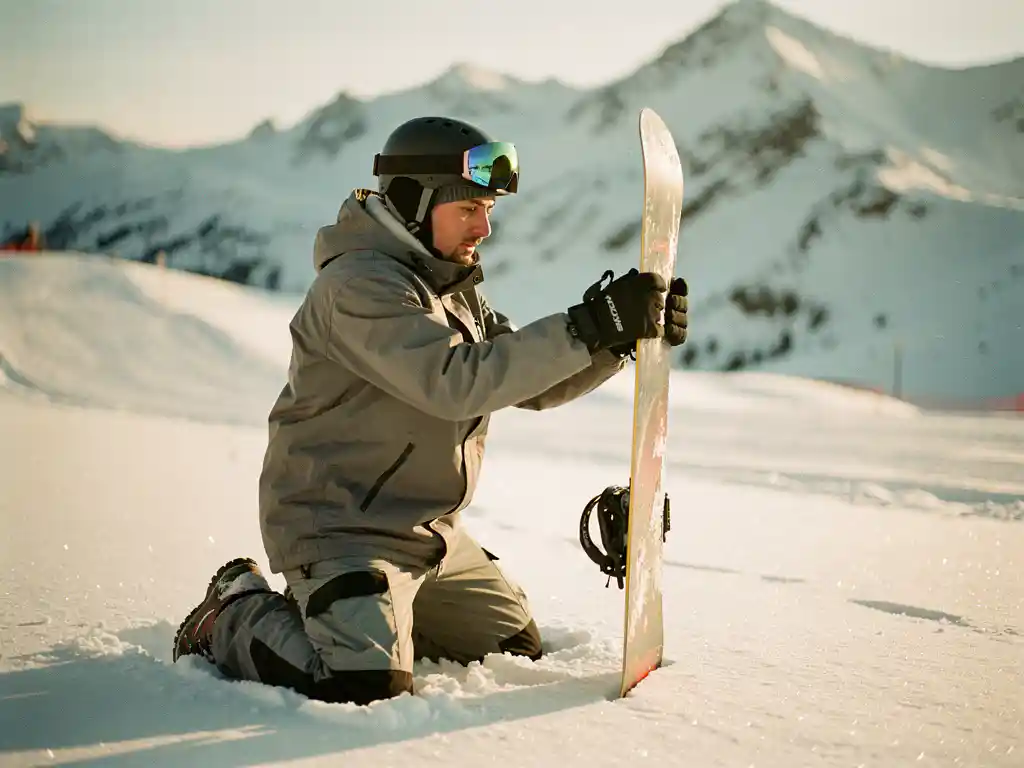
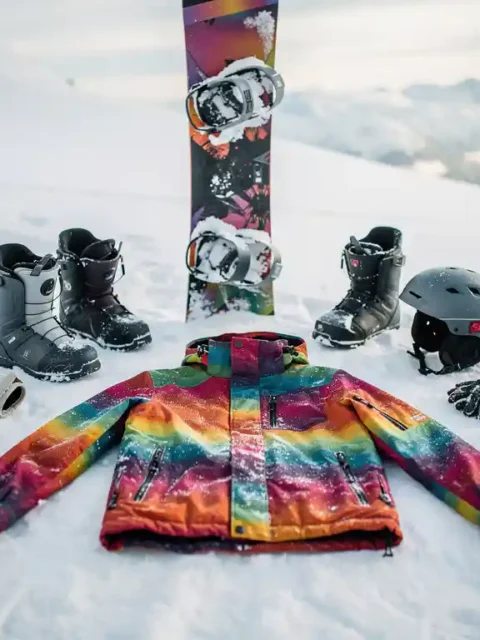
As a beginning snowboarder, you need a board that is 10-15 cm shorter than your height. For someone who is 1.70 m tall, this means a snowboard of approximately 155-160 cm. The right size ensures better control, easier learning of basic skills, and more confidence on the slopes. Your weight, riding style, and personal preference also influence the choice.
What snowboard size do you need as a complete beginner?
As a complete beginner, it’s best to choose a shorter snowboard that, when you stand upright, comes approximately between your chin and nose. This usually means 10-20 cm shorter than your height. A shorter board is more maneuverable, easier to control, and more forgiving of mistakes.
The basic rule for beginners is simple: the shorter the board, the easier learning becomes. Longer boards go faster and are more stable at high speeds, but these are characteristics you don’t need as a beginner yet. You mainly want to be able to stop, turn, and maintain your balance without your snowboard working against you.
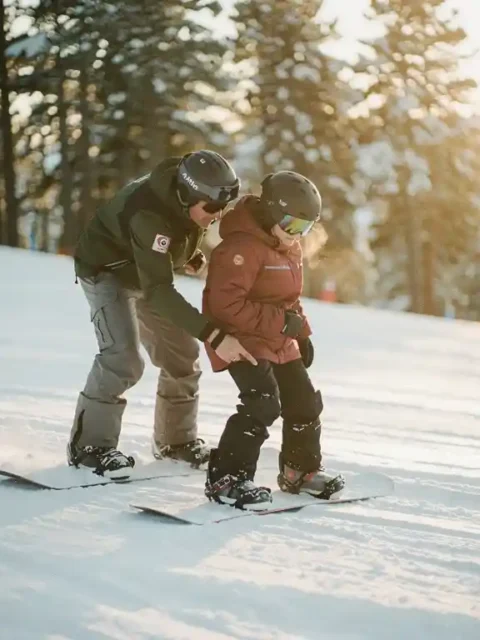
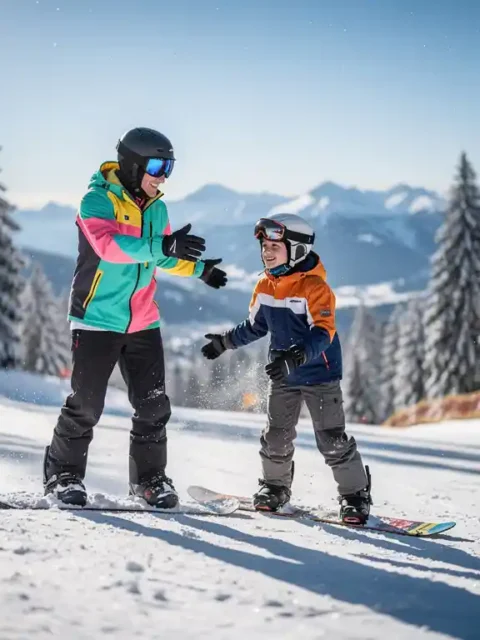
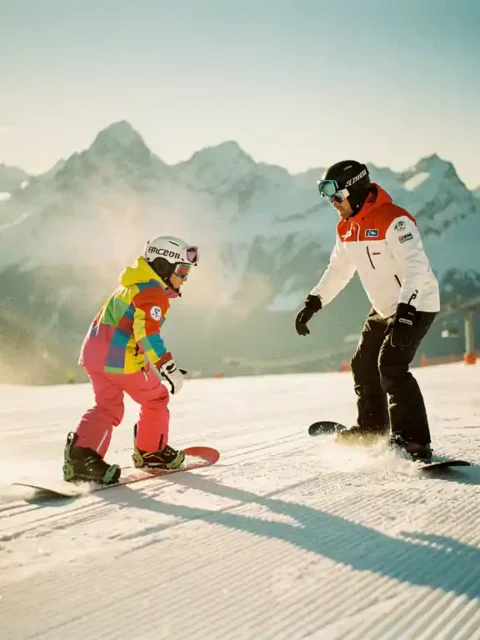
During your first snowboard lesson, you learn fundamental techniques such as falling, getting up, gliding, and making your first turns. A board that’s too long makes these movements unnecessarily difficult and can slow down your learning process. Experienced instructors therefore always recommend choosing conservatively when it comes to length.
How do you determine the perfect snowboard length for your height and weight?
As a beginner, you calculate the perfect snowboard length by subtracting 15-20 cm from your height. Additionally, your weight plays an important role: heavier riders need more board for sufficient buoyancy in powder snow and stability at higher speeds.
Here are concrete examples for different heights:
- 1.60 m tall: snowboard of 140-145 cm
- 1.70 m tall: snowboard of 150-155 cm
- 1.80 m tall: snowboard of 160-165 cm
- 1.90 m tall: snowboard of 170-175 cm
Your weight further refines this choice. Are you lighter than average for your height? Then go toward the shorter end of the range. Are you heavier built or very muscular? Then you can consider a slightly longer board. Most snowboard brands have size charts that combine height and weight for optimal recommendations.
What is the difference between snowboard sizes for different riding styles?
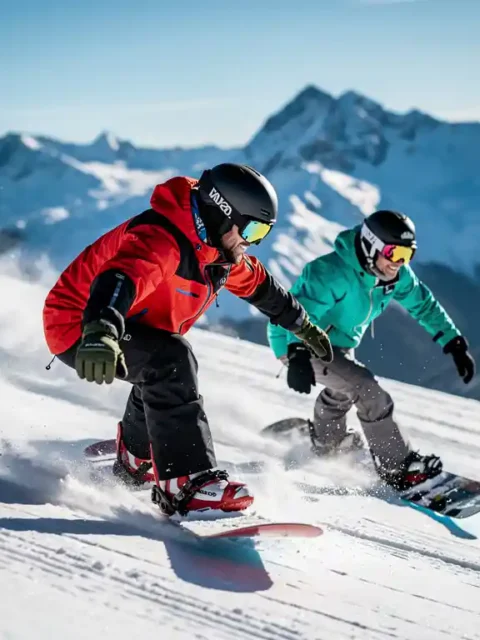
Different riding styles require different board lengths and characteristics. All-mountain boards (ideal for beginners) are usually 10-15 cm shorter than your height, freestyle boards are even shorter for tricks, and freeride boards are longer for stability in powder snow.
For beginners taking snowboard lessons, an all-mountain snowboard is the best choice. These boards are versatile: stable enough for riding on the slopes, but maneuverable enough to learn turning. They have a medium flex that forgives mistakes but still provides response.
Freestyle boards are shorter and softer, which is great for park riding and tricks, but less suitable for beginners who need to learn basic techniques. Freeride boards are longer and stiffer, perfect for deep snow and high speeds, but far too challenging for new snowboarders. Stick with all-mountain until you have the basics down.
Why is the right snowboard size essential for safe lessons through Ski-Pro?
The right snowboard size is crucial for safe and effective instruction, as it directly affects your control, balance, and learning speed. At Ski-Pro snowboard lessons, we work with more than 250 certified snowboard schools that understand how important the right equipment is for successful learning.
Our partner schools pay close attention to matching equipment because they know that the wrong board size can hinder your progress. A board that’s too long makes it difficult to initiate turns, while a board that’s too short can feel unstable at higher speeds. Both situations can lead to frustration and even unsafe situations on the slopes.
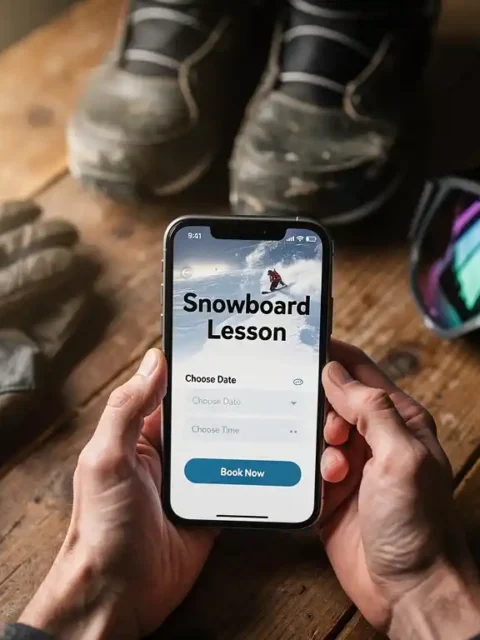
When you book a snowboard lesson through our platform, you can trust that the instructors have experience advising on the right equipment. They look not only at your height and weight, but also at your experience, goals, and the type of terrain you’ll be learning on. This personal approach ensures that you’re on the mountain with the right equipment from day one.
What mistakes do beginners often make when choosing a snowboard size?
The biggest mistake beginners make is choosing a snowboard that’s too long, thinking this is more professional or will go faster. In reality, a board that’s too long makes learning basic skills like turning and stopping much more difficult and frustrating.
Other common mistakes include ignoring your weight in the choice (only looking at height), choosing a board that’s too stiff because it looks cooler, and copying the choice of advanced friends without considering the difference in skill level.
A board that’s too short can also cause problems, although this occurs less frequently. Extremely short boards can feel wobbly and offer less stability when you start going faster. The ideal lies in finding the balance: short enough for control and maneuverability, but long enough for stability and confidence.
How do you choose between renting or buying a snowboard as a beginner?
As a beginner, it’s best to rent first to try different sizes and styles before investing in your own equipment. Renting costs approximately €30-40 per day, but gives you the flexibility to experiment with different boards during your learning process.
The advantages of renting are clear: no large upfront investment, the ability to test different brands and sizes, and no worries about maintenance or transport. Additionally, you can always upgrade to newer equipment as your skills improve.
Buying becomes interesting when you’re going to snowboard more than 10-15 days per season. A good beginner board costs between €300 and €500, plus bindings and boots. The advantage is that you always have the same trusted equipment and save money in the long run. Many beginners choose to invest in their own equipment after their first season, when they better know what they want and need.
Whether you choose to rent or buy, the most important thing is that you have the right size for your body build and skill level. With the right snowboard under your feet, learning becomes not only safer, but also much more fun. Take the time to explore different options and get advice from experienced instructors who understand what beginning snowboarders need to be successful on the mountain.
Frequently Asked Questions
Can I start with a used snowboard as a beginner?
Yes, a used snowboard can be a good option, but pay attention to the condition of the board. Check that there are no cracks in the sidewalls, that the base isn't too damaged, and that the bindings still function properly. Preferably buy from a reliable shop that offers warranty, so you know the board is safe to learn with.
How do I know if my rented snowboard is the right size?
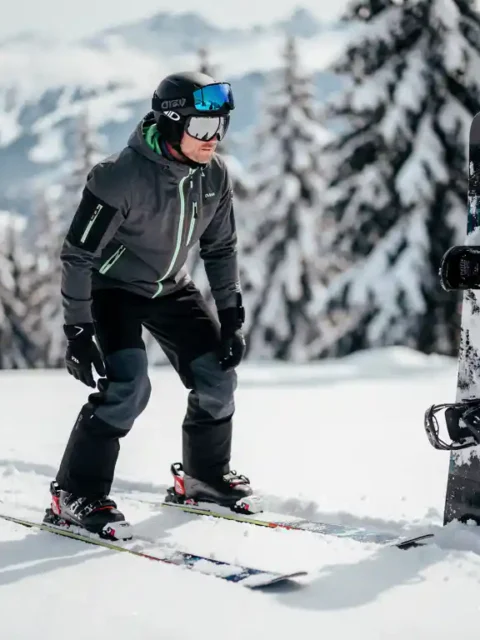
A properly fitting snowboard comes to between your chin and nose when you stand upright next to it. The board should feel maneuverable without being wobbly. If you have trouble turning or the board feels uncontrollable, ask for a shorter model. If you feel unstable at low speeds, the board is probably too short.
Should I adjust my snowboard size as I get better?
Yes, as your skills improve you can gradually switch to a slightly longer board. When you're comfortable with basic turns and want more speed, a board that's 5-10 cm longer can offer more stability and better performance. This is usually after your first or second season.
What if I'm torn between two snowboard sizes?
As a beginner, always choose the shorter board. This gives you more control, makes learning easier, and increases your confidence on the slopes. You can always upgrade to a longer board later, but starting with a board that's too long makes your learning process unnecessarily difficult and can even be dangerous.