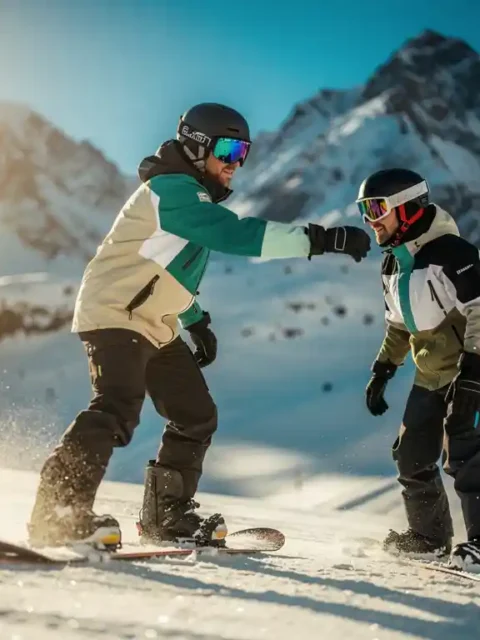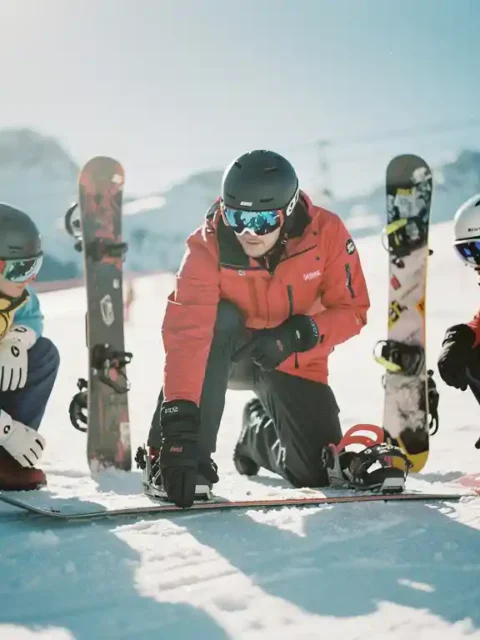

How do you steer a snowboard during the lesson?
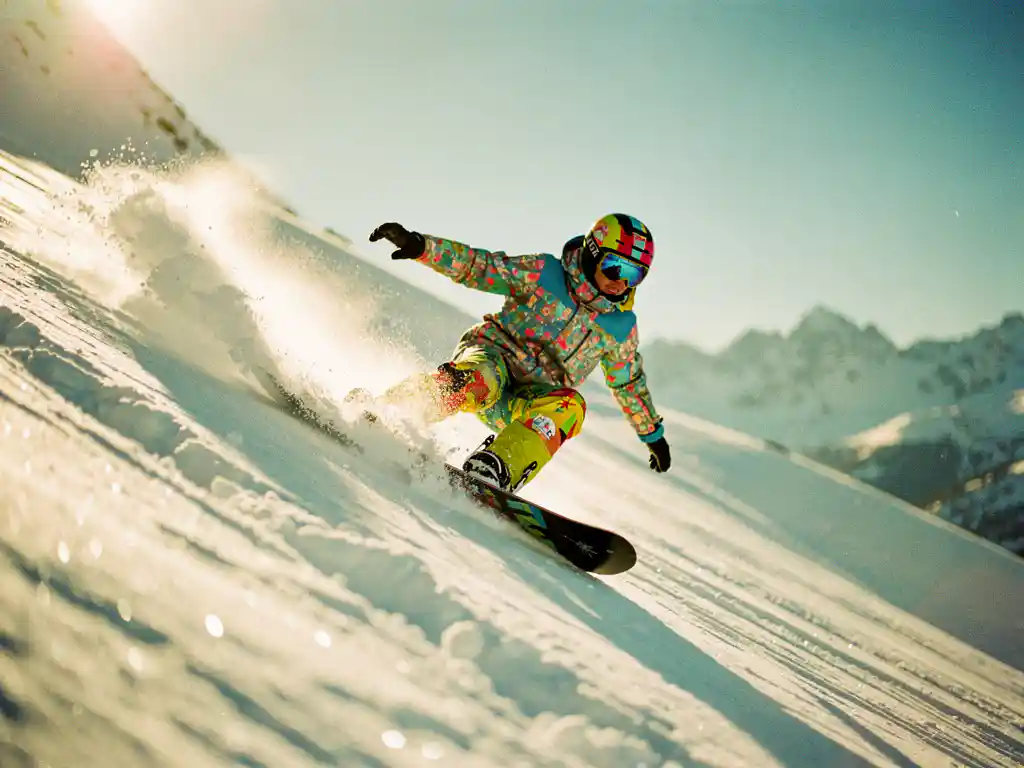
Snowboard steering during a snowboard lesson requires proper body posture, weight shifting, and balance. You learn this by consciously shifting your weight to the front or back of your board and by using the edges. Professional guidance is essential for safe technique and faster progress on the slopes.
What is the correct posture for steering a snowboard?
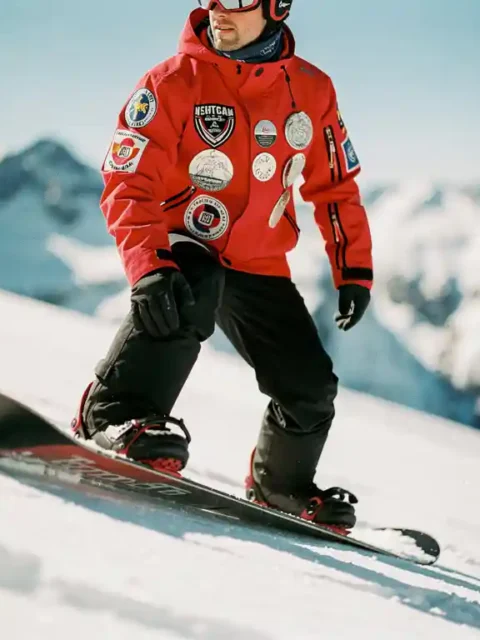
The correct snowboard posture begins with a relaxed, slightly bent position, where your knees are slightly bent and your weight is evenly distributed over both feet. Your upper body remains straight but flexible, with your arms relaxed at your sides.
Your feet are firmly in the bindings, with your front foot pointing slightly more forward than your back foot. This stance gives you the control you need to steer effectively. Your core muscles remain active but not tense, providing the core stability that is crucial for balance on the board.
Weight distribution is fundamental: approximately 60% of your weight rests on your front foot and 40% on your back foot. This distribution helps you control the board without it shooting away or getting stuck in the snow. Your gaze is directed toward where you want to go, not down at your board.
How do you use your weight to change direction on a snowboard?
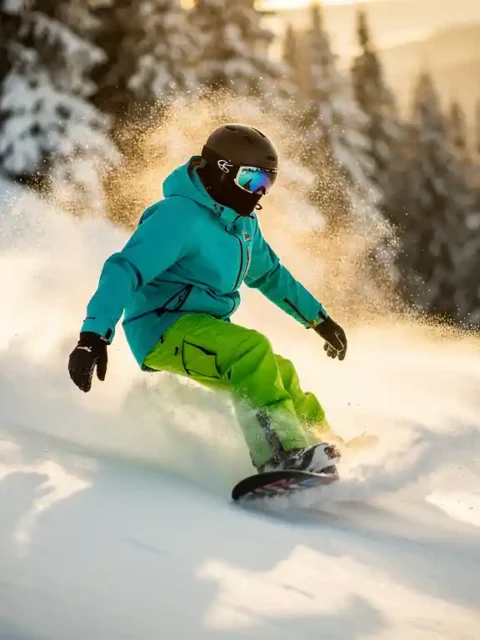
Weight shifting is the core of snowboard control. You change direction by consciously shifting your weight to the front or back of your board, combined with pressure on your toes or heels to use the edges of the board.
For a toeside turn (toward your toe edge), you shift your weight forward and press lightly on your toes. Your center of gravity moves toward the nose of the board. For a heelside turn (toward your heel edge), you shift your weight backward and press on your heels, with your center of gravity moving toward the tail of the board.
Timing is essential: you start with the weight shift before engaging the edge. This gives the board a chance to respond to your movement. Your hips and shoulders follow the direction you want to go, creating a natural rotation that supports the turn.
What mistakes do beginners often make when steering a snowboard?
The most common mistake is incorrect weight distribution, where beginners place too much weight on their back foot out of fear of speed. This makes the board harder to control and increases the risk of falling.
A stiff posture is another common mistake. Beginners often tense their entire body, causing them to lose balance and become unable to respond to changes in terrain. Your muscles should remain active but relaxed.
Incorrect edge pressure occurs when beginners press too hard on their toes or heels, causing the board to suddenly change direction. The movement should be gradual and controlled. Beginners also often look down instead of in the direction of travel, which disrupts their balance and anticipation.
Why are professional snowboard lessons through Ski-Pro essential for learning to steer?
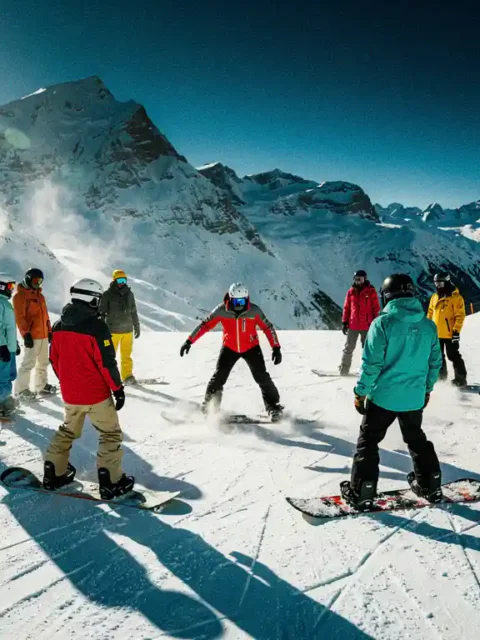
Professional snowboard instruction through Ski-Pro offers personal guidance from certified instructors who understand your specific learning style and pace. This ensures safe technique from the beginning and prevents you from learning bad habits.
Through our platform, you can compare more than 250 snowboard schools in the Alps, allowing you to find the perfect match for your level and budget. Our instructors are all certified and have proven experience teaching beginners and advanced students.
The benefits of professional guidance are clear: you learn the correct techniques immediately, receive direct feedback on your posture and movements, and build confidence in a safe environment. Ski-Pro ensures quality instructors who make your snowboard lesson a success.
How do you practice snowboard steering safely during your first lessons?
Safe practice begins with gradual progression on suitable terrain. Always start on flat or very gently sloping slopes, where you have time to practice movements without pressure from speed or other skiers.
Begin with static exercises: practice weight shifting while standing still and feel how the board responds to pressure on your toes and heels. Then move on to slow, wide turns, where you consciously execute and control the movements.
Safety tips during practice: always wear a helmet and wrist guards, stay within your abilities and don’t go faster than you can control. Practice braking and falling safely. Build up complex movements gradually under your instructor’s guidance, who can adjust the pace to your progress and comfort level.
Learning to steer a snowboard is a process that requires time and patience. With the correct posture, conscious weight shifting, and professional guidance, you’ll quickly develop the skills you need for a great snowboard experience. The investment in good lessons through a reliable platform like Ski-Pro pays off in faster progress and more enjoyment on the mountain.
Frequently Asked Questions
How long does it take before I can steer fluently on a snowboard?
Most beginners can master the basic steering techniques after 3-5 days of intensive lessons. Developing smooth, controlled turns usually takes 1-2 weeks of regular practice. Your progress depends on your natural balance, physical condition, and the quality of your lessons.
What should I do if my snowboard keeps shooting away while steering?
A runaway board is usually the result of too much weight on your back foot. Consciously shift more weight to your front foot (60-70%) and keep your knees slightly bent. Practice first on flat terrain and gradually build up speed under your instructor's guidance.
Can I learn snowboard steering without professional lessons?
While technically possible, we strongly advise against this. Without professional guidance, you often learn incorrect techniques that are difficult to correct later. Additionally, this significantly increases the risk of falling. A few days of good lessons through Ski-Pro saves you weeks of frustration and possible injuries.
Which muscles should I train to better steer on a snowboard?
Focus on your core muscles (abs and back), quadriceps, and calves for better balance and control. Your ankles also play a crucial role in edge use. Yoga, pilates, and balance exercises at home help enormously in developing the necessary muscle strength and proprioception for snowboarding.