
How long does a snowboard last with regular lessons?
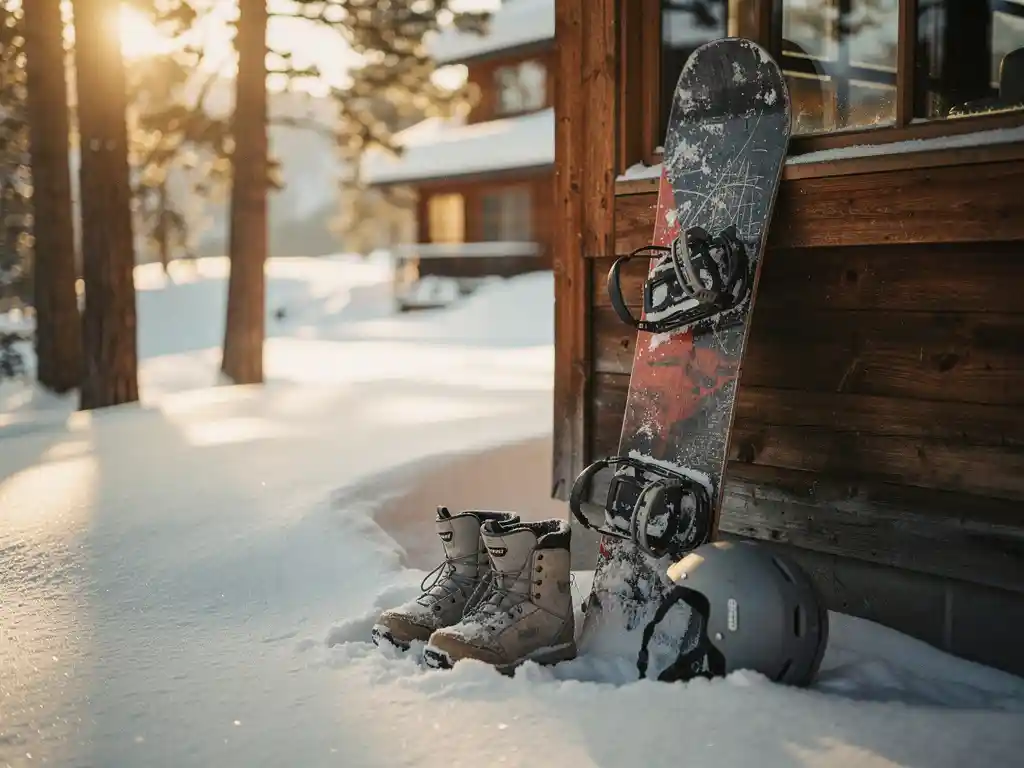
A snowboard typically lasts 3 to 7 years with regular use, depending on quality, maintenance, and your riding style. With proper care and professional techniques learned during snowboard lesson sessions, you can significantly extend its lifespan. The key factors are material quality, frequency of use, and especially how well you maintain your board.
What determines how long a snowboard lasts?
Your snowboard’s lifespan is determined by four main factors: material quality, frequency of use, riding style, and maintenance. A high-quality snowboard from a reputable brand will last longer than an entry-level model, while intensive use naturally causes more wear.
Material quality forms the foundation of longevity. Snowboards with a solid core of wood or composite materials, high-quality steel edges, and durable topsheets can last for decades. Cheaper boards often have thinner steel edges and weaker laminates that wear out faster.
Your riding style enormously affects wear. Aggressive riders who jump a lot, use rails, and ride in rough terrain will wear out their board faster than cruisers who mainly stay on groomed runs. The good news is that by taking snowboard lessons, you learn how to ride more efficiently and prevent unnecessary damage.
Frequency of use also plays a role. A board used 10 days per season will logically last longer than a board that’s on the mountain 50 days per year. But even with intensive use, you can enjoy your board for years with proper maintenance.
How often should you maintain a snowboard for maximum lifespan?
Regular maintenance significantly extends your snowboard’s lifespan. After every 5 to 7 riding days, you need a thorough service, but daily maintenance is equally important for optimal performance and durability.
Daily maintenance means drying your board after each session and visually checking for damage. Small scratches in the base can be repaired immediately with a repair stick. Always let your board dry completely before storing it to prevent rust formation on the steel edges.
Every 5 to 7 riding days, your board deserves a complete service: waxing the base, sharpening the steel edges, and repairing any damage. You can learn to do this yourself or have it done at a professional shop. Well-waxed boards not only glide better, but the base also stays in good condition longer.
Seasonal maintenance includes a thorough inspection of the bindings, deep cleaning of the base, and storing in a dry, cool space. Many snowboarders have their board professionally checked at the end of the season to identify problems early.
What signs indicate that your snowboard needs to be replaced?
Your snowboard should be replaced when structural integrity is compromised or performance has noticeably declined. Deep scratches in the base, loose steel edges, delamination, or a broken core are clear signals that replacement is necessary.
Visual signals are often the first thing you notice. Deep grooves in the base that reach the core cannot be repaired anymore. Steel edges coming loose from the board or large pieces of topsheet peeling off indicate structural problems.
Performance decline is noticeable while riding. If your board no longer responds well to steering commands, has trouble holding an edge, or vibrates strangely, this may indicate internal damage. A board that constantly “chatters” despite good wax and sharp steel edges may have seen its best days.
Safety aspects are crucial. Loose binding inserts, cracks around the binding mounting area, or flexibility that has drastically changed make your board unsafe. If you doubt the safety, have a professional assess your board before hitting the mountain again.
How do regular lessons affect your snowboard’s lifespan?
Regular snowboard lessons significantly extend your board’s lifespan by teaching you better techniques that prevent unnecessary wear. Professional instructors teach you to carve efficiently, which means your steel edges wear less quickly and your base suffers less damage.
Correct riding techniques learned during snowboard lessons ensure even wear across the entire board. Beginners who teach themselves often develop bad habits, such as constantly riding on one edge or braking hard, which causes localized wear.
Instructors also teach you how to approach different terrain types. By learning how to safely ride over icy spots, avoid rock outcroppings, and protect your board in difficult conditions, you prevent unnecessary damage that could cost your board years of life.
Additionally, during lessons you often get tips about equipment care and maintenance. Many instructors share their knowledge about waxing, steel edge maintenance, and recognizing problems before they become serious. This knowledge is invaluable for extending your board’s lifespan.
Why Ski-Pro is the best place to compare snowboard lessons for optimal equipment use?
Ski-Pro provides access to more than 250 certified ski schools and instructors in the Alps, where quality instruction is central and directly contributes to better equipment care and a longer lifespan for your snowboard. Our instructors not only teach you to ride but also how to optimally use and maintain your equipment.
Through our platform, you’ll find instructors who specialize in material-efficient techniques. They teach you how to carve correctly, keeping your steel edges sharper longer and reducing base wear. These professional techniques can add years to your board’s lifespan.
Our certified instructors share their expertise about equipment care during lessons. You learn practical tips about daily maintenance, recognizing wear, and when professional service is needed. This knowledge helps you avoid costly repairs and protect your investment.
At Ski-Pro, you can easily compare prices, lesson types, and specializations to find the perfect match for your level and goals. Whether you’re a beginner wanting to learn the basics or an advanced rider looking to refine technique for material-saving snowboarding, we have the right instructor for you.
The combination of professional instruction and practical equipment knowledge you get through Ski-Pro ensures you not only become a better snowboarder but also enjoy your board for years to come. Investing in quality lessons is investing in your equipment’s lifespan.
Frequently Asked Questions
How do I know if my snowboard is still safe to use after a fall or collision?
Check your board immediately after a fall for visible cracks, dents in the topsheet, or loose steel edges. Also test your board's flex by gently bending it - if it feels different than normal, have it professionally checked. When in doubt about structural integrity, it's always better to consult an expert before snowboarding again.
Can I extend my snowboard's lifespan by waxing it less often?
No, this is a common misconception. Regular waxing actually protects your snowboard's base from drying out and damage. A dry base becomes porous and brittle, which can lead to costly repairs. Wax every 5-7 riding days to optimally protect your board.
What should I do if my snowboard starts to 'chatter' while riding?
Chattering can have various causes: dull steel edges, wrong wax for snow conditions, or a board losing its tension. First try having your steel edges sharpened and your board waxed. If the problem persists, it may indicate structural fatigue in your board and replacement might be necessary.
Is it worth buying an expensive snowboard as a beginner, or should I start with a cheap model?
As a beginner, you can start perfectly well with a mid-range snowboard from a reliable brand. However, avoid the very cheapest models, as these often have poor quality and wear out faster. A decent entry-level model costing $200-400 will last longer than a $100 board and grow better with your skills.