
What are common mistakes in snowboard lessons for beginners?
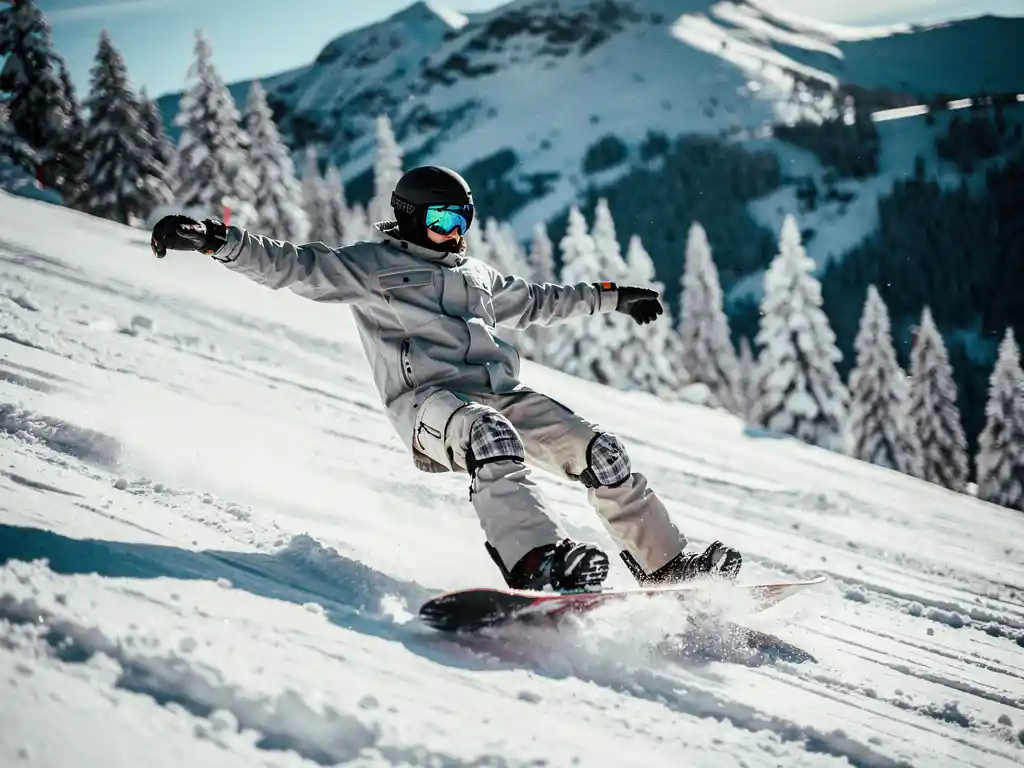
Snowboard lessons for beginners often involve common mistakes that can slow down the learning process or even make it dangerous. The most frequent errors are technical problems, such as incorrect posture and weight distribution, equipment choices that don’t match your level, and mental blocks caused by fear or overly high expectations. These mistakes are completely avoidable with proper guidance and preparation.
What are the most common technical mistakes when learning to snowboard?
Beginners often make fundamental technical errors, such as incorrect body position: they stand too upright instead of leaning slightly forward. Poor weight distribution prevents them from controlling their board properly, and problems with edge control lead to unexpected falls or loss of speed.
The most common technical problems during your first snowboard lesson are:
- A too stiff posture with straight knees instead of a relaxed, bent stance
- Weight too far back, causing the nose to lift and losing control
- Incorrect arm positions that disrupt your balance
- Timing problems when transitioning from heel edge to toe edge
- Using too much force instead of subtle movements
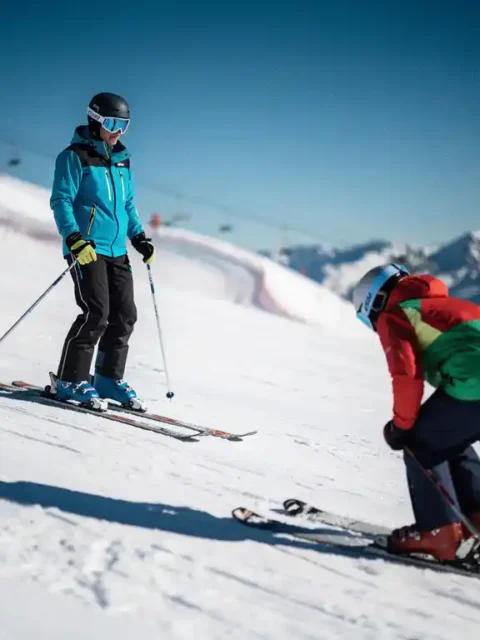
These technical aspects are crucial to learn correctly from the beginning. An experienced instructor can correct these mistakes immediately before they become bad habits. It’s therefore important not to start independently, but to seek professional guidance.
What equipment mistakes do beginners often make during snowboard lessons?
Equipment choices are responsible for much frustration among beginners. The wrong board size, poorly adjusted bindings, and boots that don’t fit properly make learning to snowboard unnecessarily difficult and can even lead to injuries.
The biggest equipment blunders are:
- Choosing a board that’s too long or too stiff for your level and weight
- Bindings that are incorrectly adjusted in terms of angle and stance width
- Snowboard boots that are too big or too small, preventing good control
- Forgetting protective gear, such as wrist guards and a helmet
- Using old or damaged equipment that doesn’t function properly
At many ski schools, you get advice about the right equipment as a beginner, but not all rental shops take the time to adjust everything properly. Make sure your boots fit snugly without being painful, and that your bindings are set to a comfortable stance. As a beginner, a shorter, softer board is much easier to handle than a long, stiff board.
Why do beginners often choose the wrong snowboard lesson through Ski-Pro?
Many beginners make the mistake of randomly booking a snowboard lesson without comparing different options. They often choose the cheapest option or the first ski school they encounter, without considering the quality, lesson level, and teaching style that suits them.
Through Ski-Pro you can compare snowboard lessons and find the perfect match for your level and learning style. We only work with certified instructors who have experience with beginners. You can easily compare prices, choose between group lessons and private lessons, and read what other beginners thought of their experience.
Many beginners don’t realize that the quality of instruction varies enormously between ski schools. A good instructor adapts their teaching method to your learning pace and ensures you make progress safely and confidently. At Ski-Pro you’ll find transparent information about all available options, so you can make an informed choice that perfectly fits your budget and preferences.
How do you avoid mental mistakes and fear during snowboard lessons?
Mental blocks and fear are often the biggest obstacles for beginning snowboarders. Many people have expectations that are too high, want to progress too quickly, or develop a fear of falling that completely blocks their learning process.
The main psychological pitfalls are:
- Expecting to carve like the professionals after just one lesson
- Fear of falling, which makes you too tense and actually causes more falls
- Comparing yourself to others in your group instead of focusing on your own progress
- Impatience when certain techniques don’t work immediately
- Shame about making mistakes, while this is actually part of the learning process
Accept that falling is part of snowboarding, especially in the beginning. Wear protective gear so you feel safer, and remember that every professional once started with the same basic techniques. Set realistic goals for each lesson and celebrate small successes. A good instructor helps you overcome mental blocks by gradually building your confidence step by step.
What safety mistakes do snowboard beginners make most often?
Safety mistakes can have serious consequences and unfortunately occur frequently among beginners who don’t know slope etiquette or overestimate their own level. These mistakes are completely avoidable with proper preparation and awareness.
The most dangerous behaviors are:
- Snowboarding on slopes that are too difficult for your current level
- Ignoring slope etiquette, such as giving right of way to skiers in front of you
- Insufficient warm-up, leaving your muscles unprepared
- Continuing in bad weather conditions or poor visibility
- Not stopping to rest when you become tired
- Snowboarding outside marked slopes without experience
Learn the basics of slope etiquette before going up the mountain: skiers and snowboarders in front of you have right of way, always look uphill before starting, and never stop in the middle of a slope where others can’t see you. Respect warning signs and weather conditions. If it becomes foggy or starts snowing heavily, go inside until conditions improve. Your first snowboarding experience should be fun and safe, not dangerous due to inexperience.
Frequently Asked Questions
How long does it take before I can snowboard independently as a beginner?
Most beginners can master the basics after 3-5 lessons and carefully ride independently on green slopes. It depends on your natural balance, physical condition, and how often you practice. Don't expect to snowboard perfectly after one lesson - patience and regular practice are essential for progress.
What should I do if I keep falling during my snowboard lesson and get frustrated?
Falling is part of learning to snowboard and is completely normal. Take regular breaks to relax, focus on small improvements instead of perfection, and communicate with your instructor about your frustrations. Often it helps to go back to a simpler exercise until you've built more confidence.
Should I start with group lessons or private lessons as a complete beginner?
Private lessons give you more personal attention and can lead to faster progress, especially if you have a lot of fear or specific learning problems. Group lessons are cheaper and more social, but the instructor has less time per person. For very anxious beginners or people with physical limitations, private lessons are often the better choice.
Which muscles should I train to be better prepared for snowboard lessons?
Focus on your core (abdominal muscles and lower back), quadriceps, hamstrings, and calves for stability and control. Balance exercises like yoga or a balance board at home help enormously. Training your wrists and arms is also useful because you use them a lot when getting up after a fall. Start at least 4-6 weeks before your trip with regular training.