
How do you deal with fear of heights during snowboard lessons?
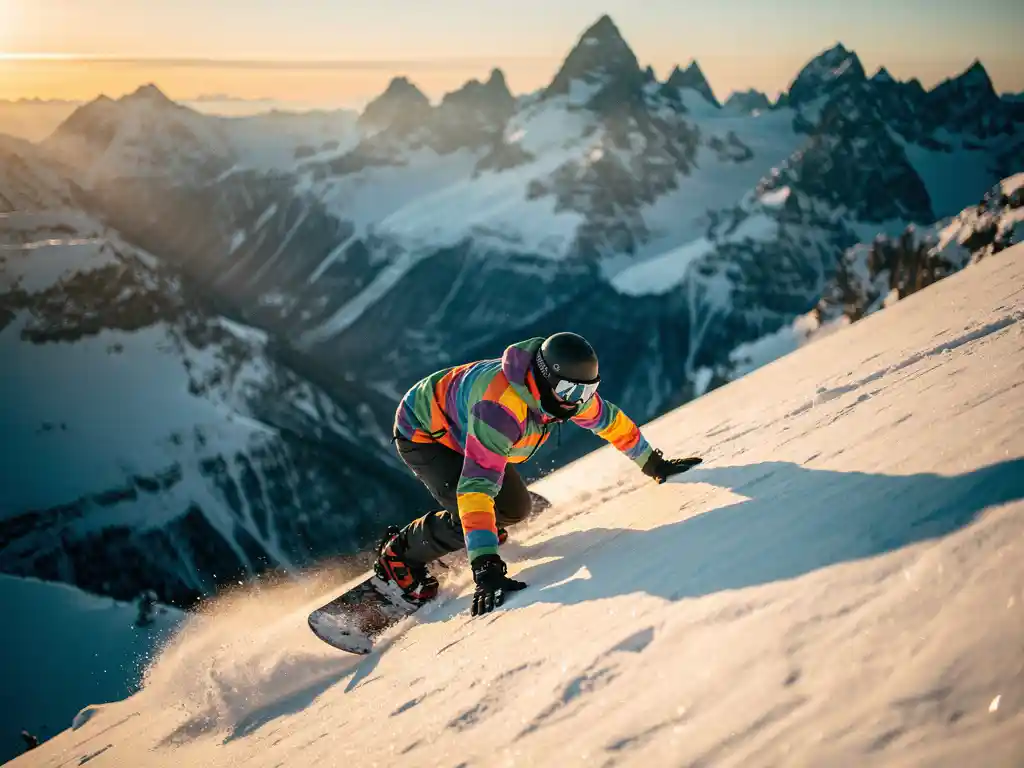
Fear of heights during snowboard lessons is a natural reaction that many winter sports enthusiasts experience, especially in mountain environments. You can overcome this fear by applying breathing techniques, gradual exposure, and mental preparation. An experienced instructor plays a crucial role in guiding students with fear of heights during their snowboard lesson.
What is fear of heights and why does it occur when snowboarding?
Fear of heights is a psychological reaction where your body experiences anxiety at high altitudes or when looking into deep chasms. In snowboarding, this fear is triggered by the combination of height, speed, and the feeling of losing control on steep slopes.
The mountain environment amplifies this reaction through various factors. The thin air at high altitude can cause dizziness, while the open space and wide views can create an overwhelming feeling. During a snowboard lesson, beginners often encounter steep slopes for the first time, which activates their natural survival instinct.
Snowboarders experience fear of heights most intensely when standing still at the edge of a steep slope or looking down from a chairlift. Lack of experience with snowboard technique can make you feel more vulnerable, increasing the fear of falling. This combination of physical and mental factors makes fear of heights a common problem during snowboard lessons.
How do you recognize the symptoms of fear of heights during snowboard lessons?
Physical symptoms of fear of heights while snowboarding include sweating, trembling, rapid heartbeat and breathing, dizziness, and nausea. Mentally, you experience intense fear, panic feelings, concentration problems, and the urge to immediately get away from the steep slope.
Warning signs while snowboarding include suddenly freezing on your snowboard, refusing to look down or continue, and clinging excessively to the instructor or others. You may also display avoidance behavior by staying only on very easy slopes or even refusing to take certain lifts altogether.
It’s important to ask for help from your instructor when these symptoms hinder your learning process or endanger your safety. A good instructor recognizes the signs of fear of heights and can adapt their teaching method. Seek immediate help if you experience panic attacks, become unable to move due to fear, or experience physical symptoms like hyperventilation.
Which techniques help overcome fear of heights on the slope?
Breathing techniques are an effective method to control fear of heights. Practice deep belly breathing: inhale for four counts through your nose, hold for two counts, and exhale for six counts through your mouth. This technique calms your nervous system and reduces panic feelings.
Mental strategies like positive self-talk and visualization help enormously. Tell yourself: “I am safe, I have control, I can do this.” Visualize yourself successfully descending the slope before you start. Gradual exposure also works well: start with very easy slopes and slowly build up to steeper runs.
Focus techniques help distract your attention from the height. Concentrate on your feet, the snow under your board, or a point ahead on the slope, instead of looking down. Count your turns or practice specific movements your instructor has taught you. These techniques keep your mind busy and reduce anxious feelings during your snowboard lesson.
How do you choose the right snowboard instructor for fear of heights through Ski-Pro?
Ski-Pro helps you find the perfect snowboard instructor who specializes in guiding students with fear of heights. We compare more than 350 ski schools in the Alps and clearly show which instructors have experience with anxiety guidance and mental support during lessons.
Through our platform, you can compare instructors based on their specializations, including guidance for fear of heights. You can immediately see which ski schools pay extra attention to mental preparation and which instructors have certifications for anxiety management. This saves you time and ensures you end up with someone who understands how to help you.
We only work with certified and reputable ski schools that guarantee safety and quality. The booking process is fast, transparent, and secure, ideal for beginners who need specific guidance. You can read reviews from other students with similar experiences and choose the best option for your level, budget, and desired guidance style.
What preparation at home helps against fear of heights during snowboard lessons?
Mental preparation at home begins with visualization techniques where you see yourself successfully snowboarding on different slopes. Practice daily for ten minutes by visualizing positive snowboard experiences, seeing yourself moving calmly and confidently on the slope.
Physical training helps increase your confidence on the mountain. Practice balance and strength exercises like yoga, pilates, or simply standing on one leg. A stronger core and better balance give you more control during your snowboard lesson, which reduces anxious feelings.
Practical tips for home include: practicing breathing techniques daily, watching videos about fear of heights to get used to mountain landscapes, and learning relaxation techniques like progressive muscle relaxation. You can also visit an indoor ski slope to become familiar with the movements before going to the real mountains.
What should you do if fear of heights arises while snowboarding?
Stop moving immediately and safely sit or stand at the side of the slope. Begin deep breathing exercises immediately and count slowly backward from ten. Don’t look down, but focus your gaze on a point ahead of you or on your snowboard.
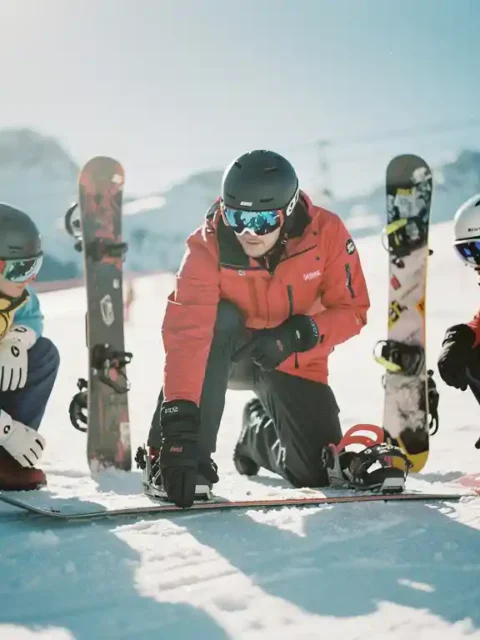
Communicate directly with your instructor about what you’re feeling. A good instructor knows techniques to calm you and won’t push you to continue before you’re ready. They can guide you with step-by-step instructions and help you regain your confidence.
Safety procedures are important: always stay at the side of the slope, use hand signals to warn other snowboarders, and never continue alone if you’re anxious. If the fear doesn’t subside, it’s wise to stop for the day and start fresh the next day. Never force yourself to continue if you don’t feel safe, as this can only worsen the fear.
Fear of heights during snowboard lessons can be overcome with the right techniques and guidance. Through mental preparation, breathing exercises, and gradual exposure, you can overcome your fear step by step. An experienced instructor that you can find through Ski-Pro makes the difference between an anxious experience and discovering your passion for snowboarding on the beautiful Alpine slopes.
Frequently Asked Questions
How long does it take on average to overcome fear of heights during snowboard lessons?
This varies per person, but most snowboarders see improvement within 2-3 lesson days with proper guidance. Some overcome their fear after just a few hours, while others need a week. The important thing is to maintain your own pace and not force it.
Can I use medication for fear of heights while snowboarding?
While some people consider medication, this is not recommended during snowboarding due to safety risks. Medication can slow your reaction time and affect your balance. Always discuss this with your doctor first and focus rather on natural techniques like breathing and mental preparation.
What if my fear of heights returns on more difficult slopes later?
This is normal and often happens when you move to steeper slopes. Apply the same techniques you've learned: stop, breathe deeply, and use positive self-talk. Go back to an easier slope to regain your confidence and build up slowly again. An experienced instructor can help guide you through this process.
Are there specific snowboard areas that are better for people with fear of heights?
Yes, areas with wide, well-visible slopes and gradual inclines are ideal. Avoid narrow slopes with steep drop-offs on the side. Through Ski-Pro you can find ski schools that are familiar with guidance for fear of heights and know which slopes are most suitable for anxious snowboarders.