
How do you handle snowboard lesson related risks?
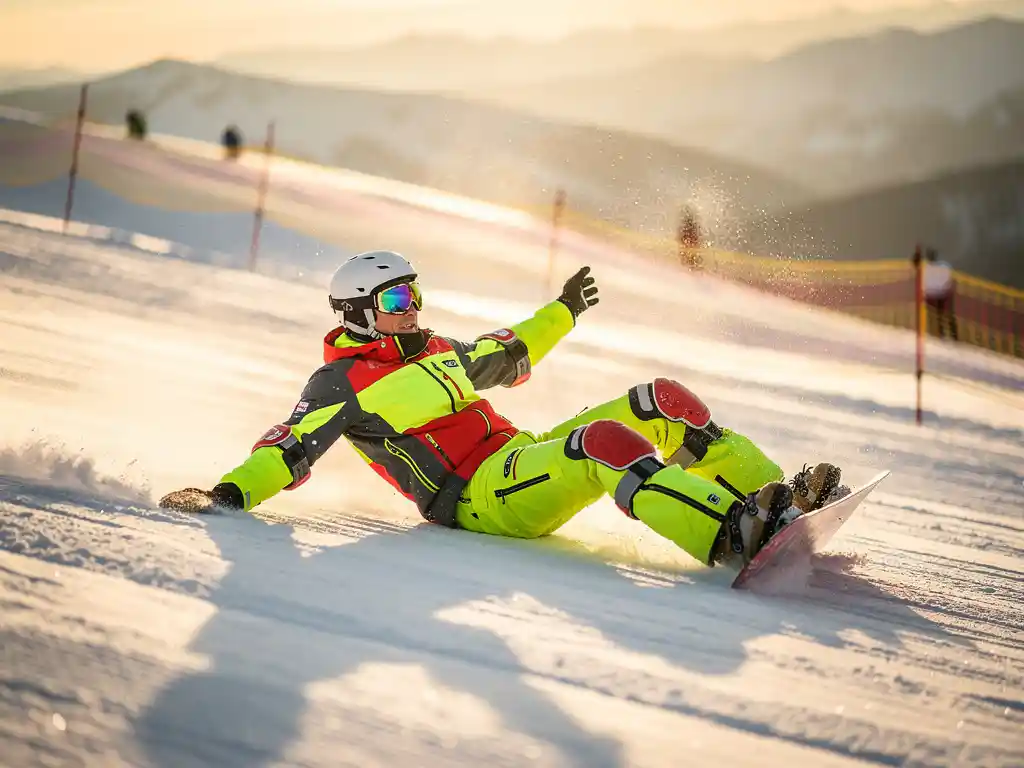
Risks associated with snowboard lessons are a reality for every winter sports enthusiast, from beginner boarders to experienced powder hunters. The most common risks are falls, collisions, weather conditions, and equipment problems. By understanding these risks and taking preventive measures, you can safely enjoy your snowboarding adventure. Professional guidance through certified schools plays a crucial role in this.
What risks do you encounter when snowboarding?
Snowboarding involves various risks that every boarder should know. Falls are the most common risk, especially for beginners who are still developing their balance. Collisions with other skiers or snowboarders often happen due to unpredictable movements or lack of knowledge about slope etiquette.
Weather conditions pose a significant danger. Sudden weather changes, poor visibility due to fog or snowfall, and ice formation can surprise even experienced boarders. Wind can affect your balance and reduce control over your board.
Equipment problems often arise from poor maintenance or incorrect binding adjustment. Bindings that come loose during boarding can lead to serious accidents. Using the wrong size or damaged equipment also significantly increases the chance of accidents.
How can you effectively prevent snowboard accidents?
Prevention begins with a good warm-up that prepares your muscles and joints for the strain. Spend at least 10 to 15 minutes on dynamic stretching exercises before hitting the slopes. A gradual build-up of intensity prevents injuries from overexertion.
Slope etiquette is essential for safety. Keep sufficient distance from other winter sports enthusiasts, look around carefully before you start, and respect right-of-way rules. The person riding in front of you has right of way, and you are responsible for avoiding collisions.
Assessing weather conditions is a skill you must develop. Always check the weather forecast and avalanche warnings before boarding. In bad weather or limited visibility, it’s better to stay indoors or choose easier slopes.
Gradual progression in difficulty level is crucial. Don’t jump from green to black slopes without sufficient experience on red slopes. Build your skills systematically and listen to your own limits.
What equipment is essential for safe snowboarding?
A helmet is the most important protection you can wear. Modern helmets are light, comfortable, and can prevent serious head injuries during falls or collisions. Make sure your helmet fits well and meets safety standards.
Wrist guards are indispensable, especially for beginners. When falling, snowboarders instinctively extend their hands, which often leads to wrist fractures. Good wrist guards absorb the impact and keep your wrists in the correct position.
Back protection is becoming increasingly popular among snowboarders. This protection prevents back injuries during hard falls, especially in the park or during jumps. Choose a protector that ventilates well and doesn’t limit your freedom of movement.
Your snowboard and bindings must be perfectly adjusted to your weight, riding style, and skill level. Have your equipment regularly checked by professionals and ensure proper maintenance of the edges and base of your board.
Why are professional snowboard lessons through Ski-pro crucial for safety?
Certified instructors can significantly reduce risks by teaching you the right techniques from the beginning. They correct dangerous habits before they develop and teach you how to fall safely, which prevents injuries.
Through Ski-Pro you get access to certified snowboard schools throughout the Alpine region. We only work with recognized schools that meet strict safety standards and quality requirements. This guarantees that you receive lessons from professional instructors who know how to minimize risks.
Our instructors not only teach you techniques but also important safety protocols. They teach you how to assess weather conditions, apply slope etiquette, and check your equipment. This knowledge is invaluable for your future snowboarding career.
With Ski-Pro you can easily compare prices, lesson types, and availability. Whether you choose group lessons to develop social skills or private lessons for intensive guidance, we help you find the best option that fits your level and budget.
What should you do if a snowboard accident does happen?
In case of an accident, quick and correct action is crucial. First check if the victim is conscious and can move. Never move an injured person without medical knowledge, unless there is immediate life-threatening danger.
Contact emergency services immediately in case of serious accidents. Call the ski area’s emergency number or use emergency poles along the slope. Provide clear information about the location, nature of the accident, and number of injured people.
Providing first aid requires caution. Keep the victim warm with blankets or extra clothing, but don’t give food or drink. If unconscious, check breathing and pulse and apply resuscitation if you are trained to do so.
For insurance claims, it’s important to collect information. Note contact details of witnesses, take photos of the accident location, and keep all medical documents. This helps with processing your claim and prevents problems later.
Risks associated with snowboard lessons are manageable when you are well prepared and receive proper guidance. By taking preventive measures, using good equipment, and taking professional lessons, you can safely enjoy everything snowboarding has to offer. Don’t forget that safety always takes precedence over spectacle: even the best powder hunters know when to be careful.
Frequently Asked Questions
How often should I have my snowboard equipment checked?
Have your snowboard and bindings checked by a professional at least once per season, or after every 20-30 days of snowboarding. Before each use, check the bindings yourself for loose screws and verify that the edges of your board are not damaged.
What is the difference between group lessons and private lessons regarding safety?
Private lessons offer more intensive safety training because the instructor can focus completely on you and immediately correct dangerous habits. Group lessons do teach you important social skills like slope etiquette and how to interact safely with other snowboarders.
From what weather conditions is it too dangerous to snowboard?
Stop snowboarding when visibility is under 50 meters, wind speeds above 60 km/h, or during avalanche warning level 4 or 5. Also during freezing rain or extreme temperatures below -20°C it’s wise to stay indoors.
Can I as a beginner go directly on red slopes if I feel confident?
No, this is a common mistake that leads to accidents. Build up systematically from green to blue and only then to red slopes. Confidence doesn’t mean your technique is sufficiently developed for more difficult slopes.