How do you choose a snowboard instructor?

The right snowboard instructor can make the difference between a frustrating day on the slopes and an amazing experience that stays with you for life. A good snowboard teacher combines technical expertise with excellent communication skills and adapts their teaching method to your level and learning style. When choosing an instructor, certifications, experience, and personal chemistry are the most important factors to consider.
What makes a good snowboard instructor?
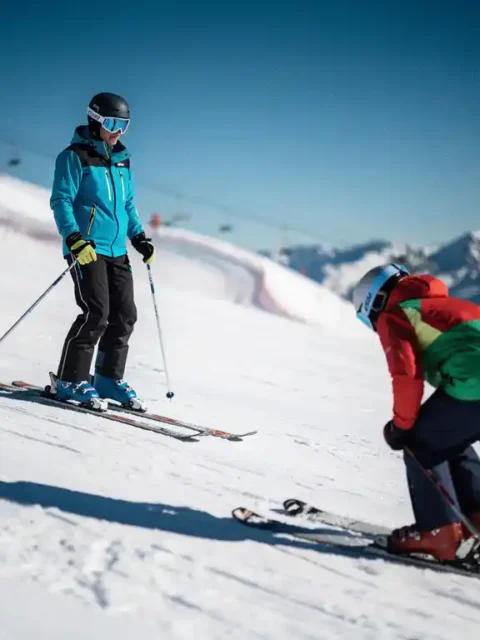
An excellent snowboard instructor has certified qualifications, outstanding communication skills, and the ability to explain complex techniques in an understandable way. They show patience with beginners, can adapt their teaching method to different ages and levels, and always ensure a safe learning environment on the slopes.
The best snowboard instructors have a natural gift for motivating and inspiring others. They understand that every student learns differently and adapt their approach accordingly. A good instructor not only explains how to perform a technique, but also why certain movements are important for your safety and progress.
Technical expertise goes hand in hand with teaching skills. Your snowboard instructor must not only be able to snowboard excellently themselves, but also break down complex movements into understandable steps. They observe your posture and movements carefully and provide constructive feedback that helps you improve faster.
What qualifications and certifications should you look for in a snowboard instructor?
Look for instructors with ISIA certification (International Ski Instructors Association) or national qualifications from recognized ski associations, such as the Dutch Ski Association, an Austrian ski school, or Swiss snow sports instructor training. These certifications guarantee that your instructor meets international safety and quality standards and regularly undergoes continuing education.
Alpine qualifications are particularly valuable because they specifically focus on the conditions and challenges of mountain areas. Instructors with these certifications have had extensive training in safety procedures, weather conditions, and emergency protocols that specifically apply to alpine ski resorts.
In addition to formal certifications, experience with different age groups and levels is essential. An instructor who has taught both children and adults often has a broader range of teaching methods and can better respond to individual needs.
How do you choose between group lessons and private lessons with a snowboard instructor?
Group lessons are cost-effective and offer social interaction with other students of a similar level. They work well for beginners and people who are motivated by others. Private lessons offer personal attention, faster progress, and flexibility in pace and focus, but are more expensive.
Your budget naturally plays an important role in this decision. Group lessons usually cost a third to half of private lessons, allowing you to take more lesson hours for the same amount. For beginners, that extra practice time can be valuable for developing basic skills.
However, your learning style and personality are at least as important as your budget. Some people learn better in a social environment, where they can observe how others tackle the same challenges. Others need the full attention of an instructor to overcome their fears or address specific technical problems.
Why Ski-Pro is the smartest choice for finding snowboard instructors?
Ski-Pro compares more than 350 certified snowboard schools throughout the Alpine region, allowing you to view prices, lesson types, group sizes, and availability at a glance. Our platform only works with verified schools that meet international safety standards, ensuring you receive quality education.
We understand that finding the perfect snowboard lesson can be overwhelming, especially if you’re not familiar with the different ski resorts and schools. That’s why we’ve developed a user-friendly comparison platform that gathers all the information you need in one place.
Our booking process is transparent and secure, with no hidden costs or surprises. You can use filters to search based on your level, budget, desired group size, and specific dates. Whether you’re a complete beginner or want to refine your technique, we help you find the ideal instructor that matches your needs and learning style.
What questions should you ask before booking a snowboard lesson?
Always ask questions about the instructor’s experience, maximum group size, included equipment, teaching methods, and cancellation policy. Also inquire about the specific locations where lessons are taught and how the school handles different weather conditions and slope conditions.
Ask specifically about your instructor’s experience with students of your level and age. An instructor who is used to teaching children may have a different approach than someone who specializes in adult beginners or advanced snowboarders.
Practical matters are also important to discuss. What equipment is included in the lesson price? Where do you meet and how do you recognize your instructor? What happens if the weather is too bad to teach safely? These details can make the difference between a smooth experience and unexpected complications.
How do you prepare for your first lesson with a snowboard instructor?
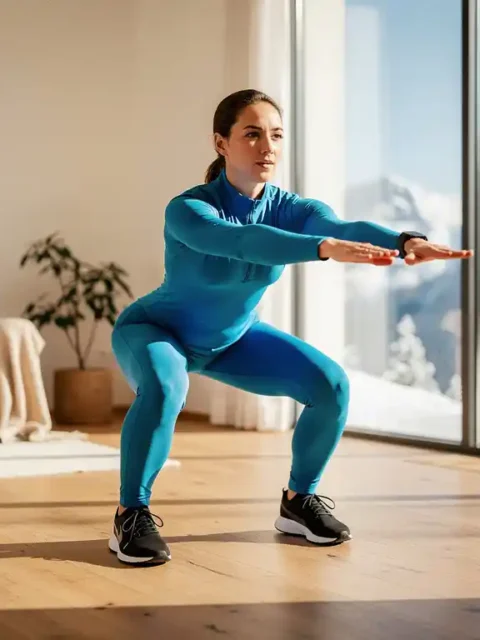
Prepare physically by training your leg muscles and balance in the weeks before your lesson. Make sure you have warm, water-resistant clothing in layers, a helmet, and good snowboard gloves. Set realistic goals and approach your lesson with an open mindset, ready to learn and have fun.
Physical preparation doesn’t have to be complicated. Simple exercises like squats, lunges, and balancing on one leg help you stand stronger and more stable on your snowboard. Yoga or pilates can also be useful for developing core stability and body awareness.
Mental preparation is at least as important as physical fitness. Snowboarding can be frustrating at first, and falling is part of the learning process. Approach your lesson with patience for yourself and remember that even the best snowboarders once started as complete beginners. Your instructor is there to help and guide you, so don’t hesitate to ask questions or express your concerns.
Choosing the right snowboard instructor largely determines how successful and enjoyable your snowboarding experience becomes. By focusing on certifications, experience, and personal chemistry, and by using platforms like Ski-Pro to compare your options, you lay the foundation for a fantastic time on the slopes. Remember that learning to snowboard is a process—be patient with yourself and enjoy every step of the journey to snowboarding mastery.
Frequently Asked Questions
How long does it take on average before I can snowboard independently?
Most beginners can master the basics after 3-5 lesson days and ride simple blue slopes. Your progress depends on factors like your physical condition, sense of balance, and how often you practice. Be patient with yourself – some people need more time, and that’s completely normal.
What should I do if I don't get along well with my snowboard instructor?
First communicate openly about your expectations and learning preferences. If this doesn’t help, don’t hesitate to ask the ski school for a different instructor. A good match between instructor and student is essential for effective learning, and serious schools understand this.
Is it better to buy my own snowboard equipment or rent during lessons?
For beginners, renting is the smartest choice. You can try different boards to discover what suits you, and you don’t have to make a big investment before you’re sure snowboarding is for you. Only buy your own equipment after you’ve mastered the basics and snowboard regularly.
Can I still learn to snowboard as an adult, or am I too old to start?
You’re never too old to learn snowboarding! Adults often have advantages like better focus and perseverance. However, it’s important to choose an instructor who has experience with adult beginners, as they understand how adults learn and can respond to any fears or physical limitations.