
How do you recover optimally after intensive snowboard lesson sessions?
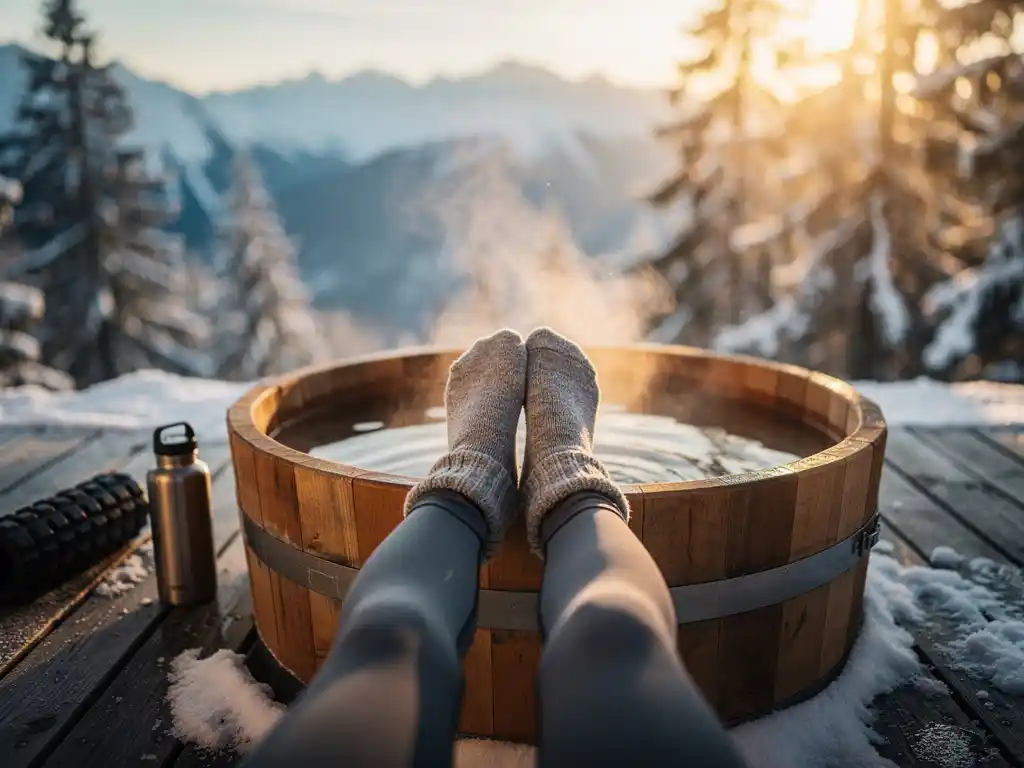
Optimal recovery after an intensive snowboard lesson is crucial for muscle development, injury prevention, and improving your performance on the slopes. Snowboarding intensively stresses your entire body, making targeted recovery techniques necessary. By applying the right nutrition, hydration, rest, and cool-down strategy, you maximize the benefits of your snowboard lesson and prepare optimally for your next session on the mountain.
Why is recovery after intensive snowboard lessons so important?
Recovery after snowboard lessons is essential because intensive snowboarding causes microtraumas in your muscles, which need time to heal and become stronger. Without adequate rest, overuse occurs, leading to decreased performance and increased injury risk during your next session.
Snowboarding places extreme demands on your body. Your core muscles work constantly to maintain balance, your leg muscles absorb shocks during landings, and your arms help with steering. This intense stress causes small tears in muscle fibers; this is normal, but recovery is necessary.
Good recovery provides:
- Faster muscle development and strength gains
- Less muscle soreness and stiffness
- Better performance during subsequent snowboard lessons
- Reduced risk of overuse injuries
- More energy for longer sessions
Which muscles are most stressed during snowboard lessons?
The quadriceps, hamstrings, core muscles, and calf muscles are most heavily stressed during snowboarding. These muscle groups work constantly together to maintain balance, power, and control, causing them to fatigue quickly and require specific recovery time.
Your quadriceps (front of your thighs) do the heaviest work in controlling your snowboard and absorbing shocks. They’re active during every turn and landing, making them often the most painful after an intensive session.
The hamstrings (back of your thighs) stabilize your knees and help with leaning backward. Your core muscles, including your abdominal and back muscles, provide balance and rotation with every movement.
Also heavily stressed are:
- Calf muscles for fine balance adjustments
- Glute muscles for power and stability
- Lower back for posture and control
- Shoulders and arms when falling and getting up
How can you optimally begin recovery immediately after your snowboard lesson?
Start immediately after your snowboard lesson with light movement and stretching to remove waste products and prevent stiffness. Drink water or a sports drink within 30 minutes and eat something with carbohydrates and proteins to kickstart the recovery process.
The first hours after your session are crucial for optimal recovery. Your body then has the best chance to remove waste products and initiate recovery.
Immediate recovery steps on the mountain:
- Do 5-10 minutes of light stretches; focus on thighs and calf muscles
- Walk around calmly to stimulate blood circulation
- Drink at least 500 ml of water to prevent dehydration
- Eat a snack with carbohydrates and proteins within 30 minutes
- Change wet clothing for dry, warm clothes
- Avoid alcohol in the first hours after your session
A warm shower or sauna can help relax your muscles, but avoid this immediately after extreme exertion to avoid overloading your heart.
What are the best nutrition and hydration strategies for recovery after snowboarding?
Eat a meal with carbohydrates and proteins within 2 hours after your snowboard lesson in a ratio of 3:1 to 4:1. Drink water regularly and replenish electrolytes lost through sweating to optimally support recovery.
Your body needs fuel after intensive snowboarding to replenish energy reserves and repair muscles. Carbohydrates refill your glycogen stores, while proteins help with muscle repair.
Ideal recovery nutrition:
- Carbohydrates: oatmeal, bananas, whole grain bread, pasta
- Proteins: lean fish, chicken, eggs, Greek yogurt, nuts
- Anti-inflammatory foods: berries, leafy greens, fatty fish
- Electrolytes: sports drinks, coconut water, broth
Hydration is equally important. Drink at least 2-3 liters of water the day after your session, and more if you sweated heavily. Avoid excessive alcohol consumption; it slows recovery and causes dehydration.
How do you help your body recover with proper rest and sleep after snowboarding?
Ensure 7-9 hours of good sleep after an intensive snowboard lesson, because your body produces growth hormones during deep sleep that are essential for muscle repair and energy recovery. Go to bed on time and create optimal sleep conditions.
Sleep is when real recovery takes place. Your body then produces growth hormones, repairs damaged muscle fibers, and replenishes energy reserves. Poor sleep significantly slows this process.
Tips for better recovery sleep:
- Go to bed 30-60 minutes earlier than normal
- Keep your bedroom cool (60-65°F) and dark
- Avoid screens 1 hour before bedtime
- Take a warm bath with magnesium salts to relax
- Eat your last meal 2-3 hours before bedtime
- Consider using melatonin for sleep problems
Also plan active rest: light walks or gentle yoga help with recovery without additional stress.
Why is Ski-Pro the best choice for finding snowboard lessons that match your level?
Ski-Pro helps you find snowboard lessons that perfectly match your level, preventing overuse and improving recovery. By comparing more than 350 snowboard schools, you find instructors who use the right intensity for optimal progress without exhaustion.
The right lesson intensity is crucial for good recovery. Too intensive lessons lead to overuse and longer recovery periods, while too easy lessons slow your development. At Ski-Pro, you easily compare prices, lesson types, and levels to find the perfect match.
Benefits of booking snowboard lessons through Ski-Pro:
- Comparison of more than 350 certified snowboard schools
- Transparent information about lesson intensity and group sizes
- Choice between private and group lessons, tailored to your level
- A safe and fast booking procedure
- Instructors who consider your physical condition
We understand as snow lovers searching for powder and first tracks how important it is to find the right balance between challenge and recovery. That’s why we only work with reliable schools that prioritize your safety and development.
By choosing the right snowboard lesson through our platform, you ensure your body gets time to recover and become stronger, so you can enjoy your passion for snowboarding in the Alps every day anew.
Frequently Asked Questions
How long does recovery take after an intensive snowboard lesson?
Recovery after an intensive snowboard lesson usually takes 24-48 hours, depending on your fitness level and lesson intensity. Beginners often need 48-72 hours, while experienced snowboarders can recover within 24 hours. Listen to your body and only plan your next session when muscle soreness and fatigue have disappeared.
What should I do if I still have muscle soreness after 3 days?
Persistent muscle soreness after 3 days may indicate overuse or a minor injury. Take extra rest, apply light stretching, and consider a warm shower or gentle massage. If pain doesn’t decrease after 5 days or gets worse, consult a physiotherapist to rule out injuries.
Can I practice other sports during recovery?
Yes, light cardio such as walking, swimming, or gentle cycling can even promote recovery by stimulating blood circulation. However, avoid intensive sports that stress the same muscle groups as snowboarding. Yoga and stretching are excellent choices during recovery periods.
Which supplements can accelerate my recovery after snowboarding?
Magnesium helps with muscle relaxation, vitamin D supports bone health, and omega-3 fatty acids reduce inflammation. A good multivitamin can also be useful. However, focus first on natural nutrition and adequate sleep before considering supplements, and consult a sports nutrition specialist when in doubt.