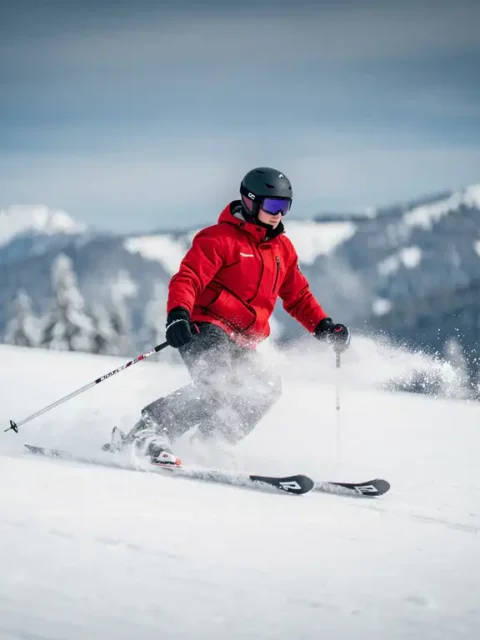

How do you adapt snowboard lessons to bad weather?
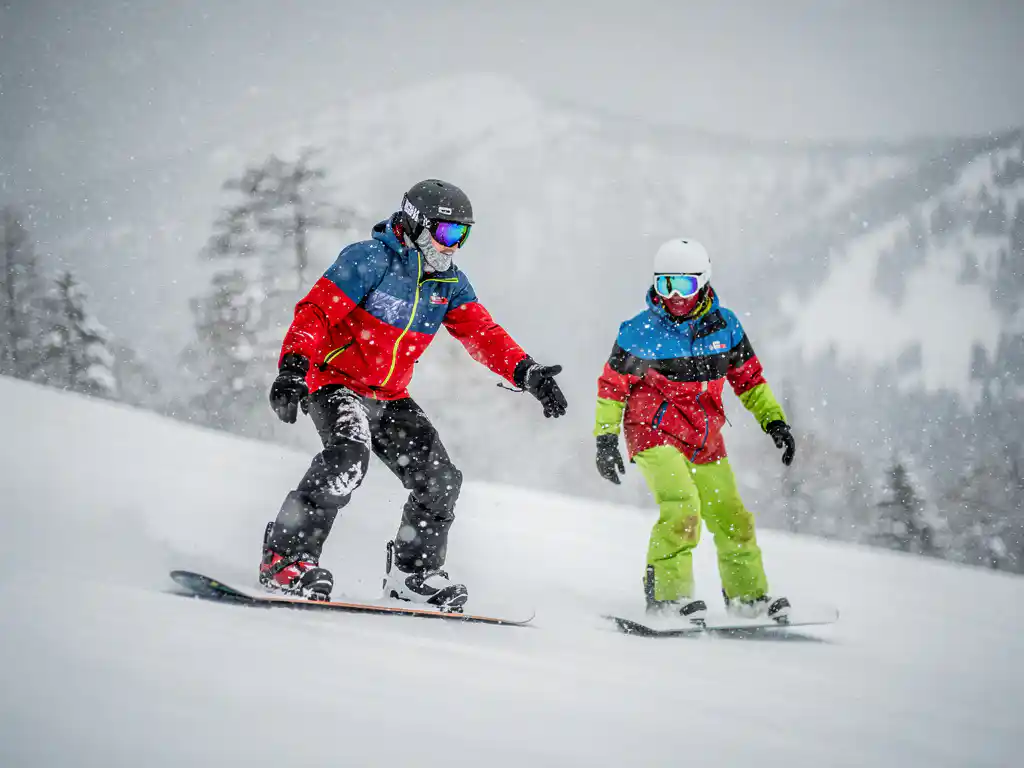
Adapting snowboard lessons for bad weather requires flexibility in technique, equipment, and safety measures. Experienced instructors adjust their teaching methods for fog, wind, and changing snow conditions. The right preparation and equipment make the difference between a safe learning experience and dangerous situations on the slope.
What are the biggest challenges of snowboarding in bad weather?
The main challenges are reduced visibility, unpredictable snow conditions, and increased fall risk. Fog and snowfall limit visibility to just a few meters, making it difficult for beginners to judge distances and slopes. Changing snow conditions make the board unpredictable, while wind disrupts balance.
For beginners, bad weather means that basic techniques like braking and steering become much more difficult. Fear of falling increases when you can’t see your surroundings clearly. Advanced snowboarders are particularly affected by icy patches that appear suddenly and soft snow that unexpectedly slows down speed.
Wind presents an additional challenge because it can throw you off balance, especially on narrow slopes or near lifts. The combination of cold and wind also causes faster fatigue, which affects concentration and reaction time.
How do you adapt your snowboard technique for bad weather conditions?
Lower speed, a wider stance, and shorter turns are essential in bad weather. Keep your center of gravity lower by bending your knees more and adopt a wider stance for extra stability. Make smaller, controlled turns instead of long carves.
In fog and limited visibility, you must brake and stop regularly to check your route. Use your ears to hear other snowboarders approaching. Follow the edge of the slope where possible and never snowboard alone in very poor visibility.
In icy conditions, edge control is crucial. Set your edges more sharply into the snow and avoid sudden movements. In soft, deep snow, put more weight on your back foot to prevent your nose from getting stuck in the powder.
Wind requires more active balance. Anticipate wind gusts by extending your arms for stability and adjust your speed before entering wind-sensitive areas.
What equipment do you need for snowboard lessons in bad weather?
Good ski goggles with interchangeable lenses, waterproof gloves, and extra layers of clothing are essential. Choose goggles with yellow or orange lenses for better visibility in fog and overcast conditions. Clear lenses work best during snowfall.
Waterproof, breathable clothing is essential because you fall more often in bad weather. Extra gloves in your backpack ensure you keep your hands warm and dry. Thermal underwear helps retain body heat in wind and cold.
For your snowboard, sharp edges are important in icy conditions. An all-mountain board with medium flex provides the best control in changing conditions. Make sure your bindings are properly adjusted for quick reactions.
A helmet with ventilation openings that you can close retains heat in cold weather and prevents fogging. Always bring a backpack with extra clothing, water, and snacks, as lessons in bad weather require more energy.
Why is Ski-Pro the best choice for snowboard lessons in changeable weather?
The Ski-Pro network with more than 350 certified ski schools offers flexible lessons with instructors who specialize in bad weather conditions. We only select schools that have experience adapting lessons to changeable conditions and that follow safety procedures.
Through our platform, you can easily compare prices, lesson types, and availability of instructors who are familiar with local weather patterns. Our partners offer alternative indoor activities or adapted outdoor lessons, depending on the conditions.
The transparent booking options show you which schools have flexible cancellation terms for extreme weather. We work with instructors who can guide different levels, from anxious beginners to advanced riders who want to refine their technique.
Our certified partners have access to sheltered practice areas and can quickly decide when lessons need to be moved to safer zones. This gives you the assurance that your snowboard lesson will continue, even in changeable Alpine weather.
When is it too dangerous to take snowboard lessons?
With visibility under 10 meters, wind speeds above 50 km/h, or avalanche danger level 4 or 5, lessons must be cancelled. Professional instructors also stop lessons during freezing rain, lightning, or when lifts close due to weather conditions.
Stricter rules apply for children and beginners. Temperatures below -15°C combined with wind make lessons unsafe for young students. With limited visibility under 25 meters, beginners can no longer recognize slope boundaries.
Experienced instructors constantly monitor weather conditions and maintain contact with slope services. They recognize signs of hypothermia in students and know when groups need to go indoors. Avalanche danger in off-piste areas automatically means lessons remain limited to groomed slopes.
Personal factors also play a role. If you feel unsafe, are cramped from the cold, or have trouble seeing through your goggles, it’s time to stop. Good instructors respect these limits and offer alternative activities or reschedule the lesson.
The most important thing is that safety always takes priority over completing a lesson. Professional snowboard instructors through Ski-Pro are trained to make these decisions and ensure your learning experience remains positive, even in challenging Alpine weather.
Frequently Asked Questions
How do I prepare for a snowboard lesson when the weather is uncertain?
Check the weather forecast 24 hours in advance and always bring extra clothing, even if it looks dry. Pack an extra set of gloves, a warm hat, and an extra layer in your backpack. Make sure your ski goggles are clean and possibly bring spare goggles in case your main goggles fog up or get damaged.
What should I do if visibility suddenly deteriorates during my lesson?
Stop snowboarding immediately and wait for instructions from your instructor. Stay close to the group and use sounds to locate others. If you're alone, find the edge of the slope and follow it slowly downhill. Never continue if you can no longer see the slope clearly.
Can I reschedule my snowboard lesson if the weather becomes too bad?
Most ski schools through Ski-Pro offer flexible rescheduling options for extreme weather conditions. Check the cancellation terms of your chosen school when booking. Many instructors offer alternative indoor activities or move the lesson to a more sheltered area on the mountain.
Are there special techniques to learn snowboarding faster in changeable weather?
Focus on perfecting your basic techniques in good conditions before practicing in bad weather. Practice braking and controlled stopping extensively, as this is your most important safety technique. Also learn to snowboard by feel by sometimes closing your eyes on flat terrain, so you become less dependent on sight.