
How do you take snowboard lessons when you wear glasses?
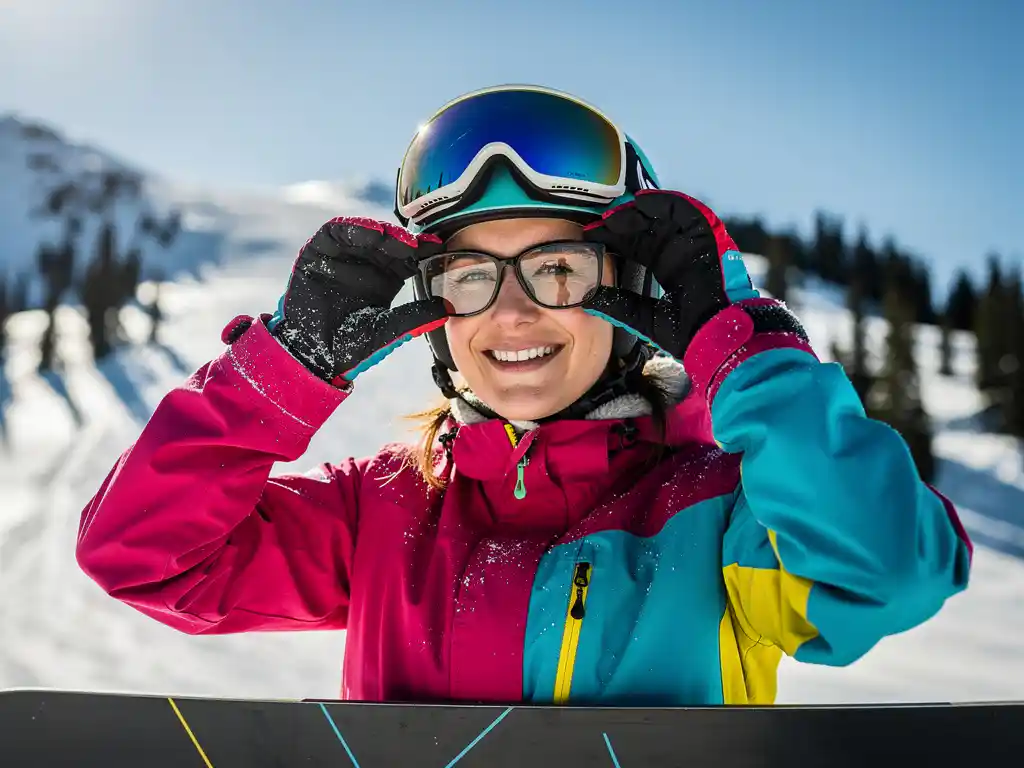
Snowboarding with glasses is absolutely possible and doesn’t have to be a barrier to your first snowboard lesson. The most important thing is choosing the right equipment and finding an experienced instructor who understands how you can learn comfortably and safely while wearing glasses. With proper preparation and equipment, you can simply enjoy that magical first descent through the powder snow.
What are the challenges of snowboarding with regular glasses?
Wearing regular glasses during snowboard lessons brings several practical challenges. Fogging is the biggest problem: when warm breath and body temperature come into contact with cold outside air, your lenses fog up, seriously impairing your vision.
Safety risks arise because regular glasses aren’t designed for winter sports. During a fall, they can break or shift, which can be dangerous for your eyes and face. Additionally, regular glasses provide no protection against UV radiation reflected by snow, which can lead to snow blindness.
Comfort is also an issue. Regular glasses often don’t fit well under a helmet, causing them to press painfully on your nose and ears. The temples can also get in the way when wearing a helmet, resulting in an uncomfortable fit during your snowboard lesson.
What types of glasses and protection are available for snowboarders?
There are various solutions available for glasses wearers who want to snowboard. OTG goggles (Over The Glasses) are specially designed to wear over your regular glasses and offer beginners the best combination of comfort and protection.
Contact lenses are a popular option because they give you complete freedom when choosing regular ski goggles. They eliminate problems with condensation and fit, but do require that you feel comfortable wearing lenses in cold conditions.
Prescription ski goggles are customized goggles with your prescription built in. This option is more expensive, but offers the best performance for regular winter sports enthusiasts. Some brands also offer magnetic prescription inserts that you can place in regular goggles.
For people with mild prescriptions, photochromic ski goggles with light correction can also be an option, although these are less suitable for higher prescription strengths.
How do you choose the right snowboard equipment when wearing glasses?
When choosing equipment as a glasses wearer, the fit between helmet and goggles is crucial for comfort and safety. Make sure your helmet provides enough space for your glasses or OTG goggles, without causing uncomfortable pressure points.
Always test the combination of helmet, goggles, and glasses together before hitting the slopes. The goggles must seal completely around your face, without your glasses disrupting the seal. A good seal prevents cold air and snow from getting inside.
Pay attention to ventilation features in the goggles you choose. Good ventilation prevents fogging, which is extra important when wearing glasses. Look for goggles with anti-fog coating and multiple ventilation openings.
Also consider a helmet with adjustable ventilation, so you can adjust airflow to minimize condensation. The right helmet size is essential: too tight and your glasses will be pressed painfully against your head, too loose and you’ll have insufficient protection.
Why Ski-Pro is the best place to book snowboard lessons as a glasses wearer?
Ski-Pro makes finding the right snowboard instructor for glasses wearers easy by comparing more than 350 ski schools in the Alps. We understand that glasses wearers need specific attention during their lessons and help you find instructors who have experience with these challenges.
Our platform lets you use filters to find instructors who specialize in teaching people with special needs, including glasses wearers. You can read reviews from other glasses wearers and their experiences with different instructors and ski schools.
All ski schools in our network are certified and have experienced instructors who understand how important good equipment and adaptation are for glasses wearers. They can advise you on local rental options for OTG goggles and other necessary equipment.
At Ski-Pro, you can also ask questions directly about facilities for glasses wearers before booking. This way you know for sure that your instructor is prepared and can share the right tips and techniques for a comfortable and safe snowboarding experience.
What tips do experienced instructors give to snowboarders with glasses?
Professional snowboard instructors recommend that glasses wearers always carry a backup solution, such as spare glasses or contact lenses for emergencies. This prevents a damaged or lost pair of glasses from ruining your entire lesson day.
Warm-up techniques are crucial for glasses wearers. Instructors advise letting your goggles and glasses gradually adjust to temperature differences by not taking them directly from a warm hut outside. Let your equipment acclimatize for a few minutes.
When learning new techniques, instructors recommend being extra careful with falls. Practice falling correctly, so you use your hands to catch yourself instead of your face; this protects your glasses and your eyes.
Experienced instructors also emphasize the importance of regular breaks to clean your glasses and goggles. Snow and condensation can build up quickly, so take time to keep your vision clear for optimal safety during your snowboard lesson.
Finally, they advise taking your first few lessons on quieter slopes while you get used to snowboarding with glasses, so you can build confidence before seeking more challenging terrain.
Frequently Asked Questions
Can I use regular ski goggles if I wear contact lenses during snowboard lessons?
Yes, contact lenses give you complete freedom to choose any ski goggle. Just make sure your lenses are well moisturized before hitting the slopes, as cold air and wind can dry out your eyes. Always bring a spare pair of lenses and your regular glasses for emergencies.
What should I do if my OTG goggles keep fogging up while snowboarding?
First check if your goggles ventilate properly and aren't too tight against your face. Avoid touching the inside of the lens and make sure there's no snow in the ventilation openings. If the problem persists, consider anti-fog spray or goggles with better ventilation.
Are there special precautions I should take when falling as a glasses wearer?
Learn the proper falling technique where you use your hands to catch yourself, not your face. Make sure your goggles fit securely and consider a helmet with extra protection around the face. Practice these techniques first on soft snow under your instructor's guidance.
Can I bring my own glasses and goggles to the Alps or should I rent on location?
It's recommended to bring your own equipment if you already have OTG goggles that fit well. This ensures comfort and proper fit. Many ski schools in the Alps do have OTG goggles available for rental, but the selection can be limited, especially during popular periods.