
How do you evaluate your progress during snowboard lessons?
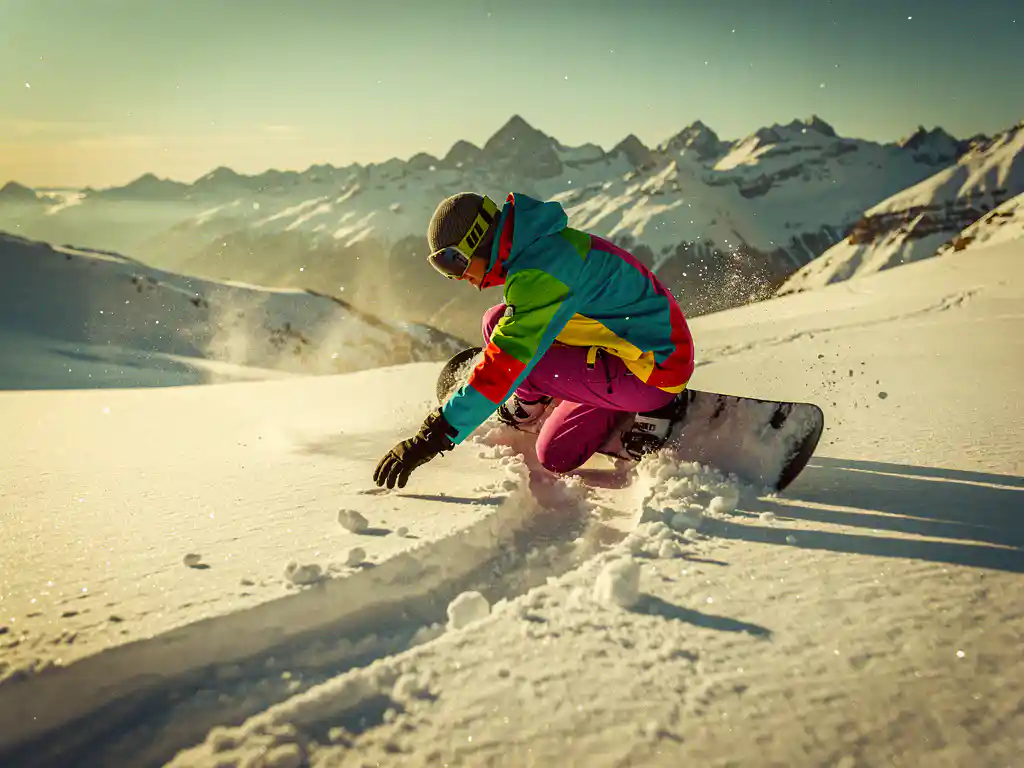
Evaluating your progress during snowboard lessons goes beyond just counting how many times you fall. Real progress shows in better balance, smoother turns, and growing confidence on the slopes. By regularly assessing your technique and using your instructor’s feedback, you get a clear picture of your development as a snowboarder.
What are the key indicators of progress in snowboard lessons?
The key indicators of snowboard progress are improved balance, control over speed and direction, fluid movements, and increased confidence. You notice improvement when you have less trouble maintaining your balance and move more naturally.
Balance forms the foundation of everything. In the beginning, you probably feel uncertain on your board, but as you progress, your posture becomes more stable. Your knees become less stiff, your arms move more naturally, and you feel more relaxed.
Control over your snowboard shows in your turns. Beginners often make abrupt, jerky movements, while advanced snowboarders make smooth carves. Pay attention to how you glide from edge to edge: is this becoming smoother and more controlled?
Speed control is another crucial indicator. You know you’re progressing when you can consciously accelerate and decelerate without panicking. This shows that you understand the technique and have confidence in your skills.
Confidence manifests in your willingness to take on new challenges. Do you dare to go down a steeper section? Are you trying out new techniques? This mental progress is just as important as physical skills.
How often should you evaluate your snowboard technique during lessons?
Evaluate your technique every lesson with a brief reflection at the end of the session. Daily self-reflection helps you become aware of areas for improvement and successes. Weekly evaluations provide a broader perspective on your development.
Take time at the end of each lesson to think about what went well and what remains challenging. Which exercise felt more natural? What did you still struggle with? These daily check-ins keep you engaged in your learning process.
After a week of lessons, you can recognize patterns. You might notice that your left turns are smoother than your right turns, or that you perform better in the morning than in the afternoon. These insights help you practice with focus.
Video recordings are fantastic for evaluation. Ask someone to film you while you ride: you’ll be amazed at what you see. Movements that feel good can look very different than you thought.
Don’t just compare yourself to yesterday, but also to the beginning of the week. This longer-term comparison shows you real progress and motivates you to continue, even on days when it feels less successful.
What role does your instructor’s feedback play in measuring progress?
Your instructor provides objective observations and professional expertise that you cannot provide yourself. They see technical details that you miss and can suggest small adjustments that yield big improvements. Their feedback is essential for accurate progress measurement.
Qualified instructors recognize patterns in your movements that you don’t notice. They see, for example, that your weight is too far back or that your shoulders aren’t parallel to your board. These technical details make the difference between good and great snowboarding.
Constructive feedback goes beyond “do this differently.” Good instructors explain why certain adjustments help and how you can practice them. They give you concrete exercises to do at home or on the slopes.
Ask for specific feedback. Instead of “how did I do?”, you could ask, for example: “Was my weight distribution good during that last turn?” This helps your instructor give targeted tips that are immediately useful.
A good instructor adapts feedback to your learning style. Some people need visual explanations, others learn better through physical guidance or verbal instructions. Professional guidance ensures you learn in the most effective way.
How do you choose the best snowboard instructor for your level through Ski-Pro?
Through Ski-Pro you can easily compare more than 250 snowboard instructors by viewing their specializations, experience, and teaching styles. The platform shows which instructors best match your level, from absolute beginner to expert, so you find the perfect match.
Start by indicating your current level on the platform. Are you an absolute beginner who has never stood on a snowboard? Or do you have some experience but want to improve specific techniques? Ski-Pro filters instructors who specialize in your level.
Pay attention to the teaching styles that different instructors use. Some instructors are patient and take plenty of time for the basics, perfect for beginners. Others are more challenging and push you to make quick progress—ideal if you already have some experience.
Consider whether you want group lessons or private lessons. Group lessons are more social and cheaper, but private lessons offer personal attention. Through Ski-Pro you can see directly which options are available and compare prices.
All instructors on Ski-Pro are certified and work for renowned ski schools. This means you’re assured of quality and safety, regardless of which instructor you choose. The platform makes choosing easy by presenting all information clearly.
What are common mistakes when evaluating your snowboard progress?
The biggest mistake is comparing yourself to others instead of to your own starting point. Everyone learns at their own pace, and what seems easy for someone else might be a challenge for you. Focus on your own journey and celebrate small victories.
Too-high expectations lead to frustration. Snowboarding is a complex sport that takes time to master. Don’t expect to carve perfectly or make jumps after one week. Realistic goals keep you motivated and prevent disappointment.
Only paying attention to big breakthroughs is a common mistake. Real progress often lies in small improvements: a slightly smoother turn, holding your balance for one second longer, or feeling less fear on a steeper section.
Seeing bad days as no progress is unjustified. Everyone has days when everything feels more difficult. Weather conditions, fatigue, or stress can affect your performance. One bad day doesn’t mean you’re not progressing.
Ignoring feedback because it doesn’t feel like you expected hinders your growth. Sometimes correct movements feel unnatural at first. Trust your instructor’s expertise and give new techniques time to become natural.
By consciously evaluating and having realistic expectations, you make every snowboard lesson a step forward in your development. With the right instructor through Ski-Pro and a healthy view of progress, you become the snowboarder you want to be.
Frequently Asked Questions
How long does it typically take to see clear progress in snowboard lessons?
Most beginners see noticeable progress after 3-5 lessons, where you better maintain your balance and can make simple turns. After 10-15 lessons you can usually ride different slopes independently. However, everyone learns at their own pace – some go faster, others need more time.
What should I do if I feel like I'm not progressing despite multiple lessons?
Discuss this openly with your instructor – they can identify specific bottlenecks and adjust your lesson strategy. Consider switching from group lessons to private lessons for more personal attention, or try a different instructor who better matches your learning style through Ski-Pro.
Can I measure my snowboard progress without an instructor?
Yes, but with limitations. You can assess your own balance, confidence, and fluidity of movements. Video recordings help enormously with self-evaluation. However, for technical details and recognizing bad habits, professional feedback from an instructor remains indispensable.
What concrete exercises can I do to accelerate my progress between lessons?
Practice balance at home on a balance board or wobble cushion, mentally visualize turns and movements, and work on your fitness with leg and core exercises. On the slopes you can do simple exercises like riding straight lines with different postures and consciously practicing weight distribution.