
How do you motivate yourself during difficult snowboard lessons?
Staying motivated during difficult snowboard lessons begins with accepting that falling and frustration are part of the learning process. Mental strategies like setting small goals, breathing techniques, and reframing mistakes as learning moments help you stay focused. The right instructor, who matches your learning style, makes a huge difference for your motivation and progress on the slopes.
Why do snowboard lessons sometimes feel so difficult and frustrating?
Snowboard lessons feel difficult because your body must learn completely new movement coordination while balancing on a slippery surface. You use muscles that don’t normally work together, which causes you to fall frequently and lose your balance during the first lessons.
Learning to snowboard differs from other sports because both your feet are attached to one board. This limits your natural reactions to maintain balance. Your brain must develop new neural pathways for these unique movements, which requires time and repetition.
Realistic expectations are crucial for your motivation. Most beginners need 3 to 5 lessons before they can comfortably ride down the mountain. Falling is normal and part of the learning process: even advanced snowboarders fell hundreds of times during their first days on the mountain.
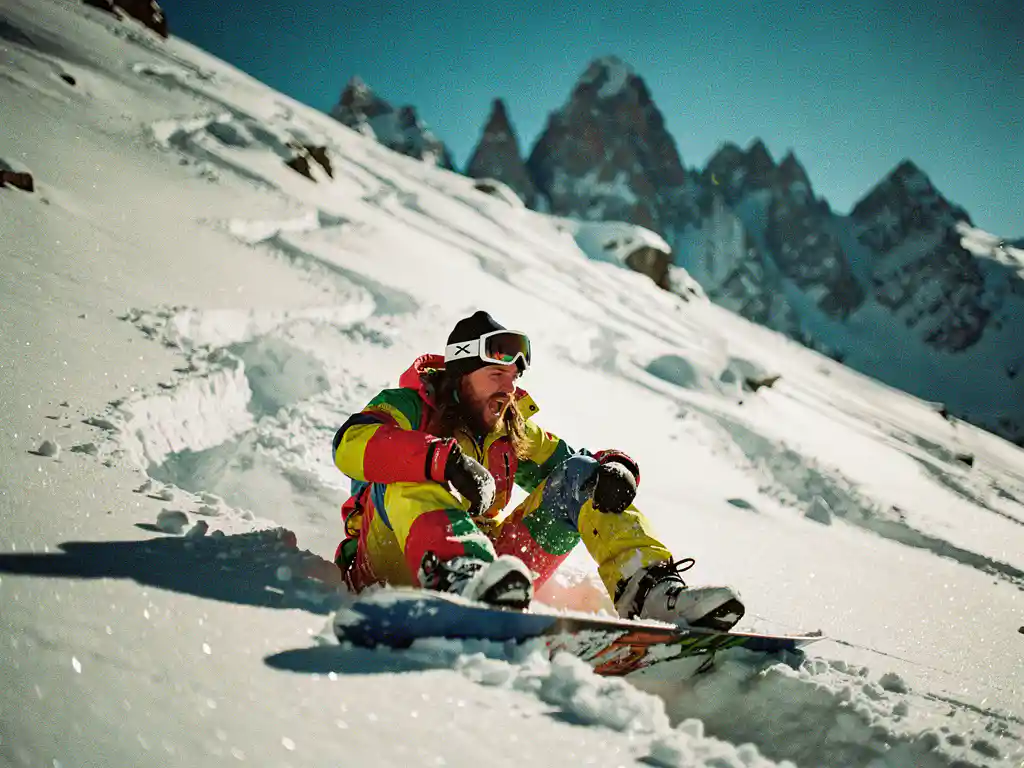
Accept that frustration is part of the journey. Every fall teaches you something new about balance, weight distribution, or timing. This mental shift from “I’m failing” to “I’m learning” makes the difference between giving up and persevering.
How can you change your mindset to better handle snowboarding challenges?
Developing a growth mindset means believing that your skills can improve through practice and perseverance. Instead of thinking “I’m bad at snowboarding,” you think “I’m getting better at snowboarding through practice.”
Reframe every mistake as a learning opportunity. When you fall because you put too much weight on your back foot, see this as valuable information about weight distribution. This mental shift transforms frustrating moments into constructive learning experiences.
Use positive self-talk to stay focused. Replace thoughts like “I’ll never get this” with “I improve with every attempt.” Talk to yourself the way you would talk to a good friend who is learning to snowboard.
Visualization helps you mentally prepare for movements before you execute them. Imagine yourself smoothly making a turn or stopping calmly. This mental repetition strengthens the neural pathways you need for real movements on the snow.
What concrete techniques help you stay motivated during snowboard lessons?
Set small, achievable goals for each session, such as “today I’m going to ride straight for five meters without falling” or “I’ll make three controlled turns.” These micro-goals give you regular success experiences that keep your motivation high.
Consciously celebrate every small victory. When you make your first complete turn or ride straight for a stretch, take a moment to be proud of this achievement. This positive reinforcement motivates you to continue.
Breathing techniques help you relax when you become tense. Take three deep breaths before trying a new movement. Relaxed muscles learn faster than tense muscles, and you fall more softly when you’re not cramped up.
Use rest moments to visualize your next movement. Mentally see yourself successfully executing what you want to learn. This mental preparation increases your chances of success and reduces anxiety about new challenges.
Take photos or videos of your progress. What feels like slow progress often looks more impressive when you see it played back. This visual evidence of improvement motivates you to continue, especially on difficult days.
How do you choose the right snowboard instructor for your learning style through Ski-Pro?
Ski-Pro helps you find the perfect snowboard instructor by comparing more than 350 snowboard schools in the Alps based on teaching style, experience, and personality. You can filter for instructors who specialize in beginners, anxiety management, or specific learning techniques.
Different people learn in different ways. Some benefit from visual explanations and demonstrations, others learn better through physical guidance or detailed verbal instructions. Through our platform, you can find instructors who match your preferences.
Good communication with your instructor is essential for motivation. An instructor who understands your frustrations, remains patient, and encourages you makes the difference between a difficult lesson and an enjoyable learning experience. We help you find instructors known for their motivating approach.
Read reviews from other students to find instructors who are successful at motivating students during challenging moments. Our platform shows which instructors specialize in guiding nervous beginners or people who have had bad experiences before.
The right match between instructor and student significantly increases your motivation. When you feel understood and supported, you stay motivated longer to work through difficult moments.
When should you take a break and how do you come back stronger?
Take a break when you notice that frustration is blocking your learning process, your body hurts from tension, or when you keep repeating the same mistake without progress. Mental and physical fatigue make learning harder and increase the risk of injuries.
Signs that you need rest include: increased irritation, loss of concentration, tense muscles, or the feeling that you’re “hitting a wall.” Listen to your body and mind: both need time to process new movement patterns.
Use breaks productively by observing how other snowboarders move, relaxing your muscles with stretching, or simply enjoying the mountain environment. This mental reset can work wonders for your motivation and focus.
Come back stronger by using your break for reflection. Think about what you’ve already learned instead of focusing on what you haven’t mastered yet. This positive reminder gives you confidence to start again.
After a break, start with something you can already do, like riding straight or stopping. This gives you confidence back before tackling new challenges. Gradually building up after rest prevents you from getting frustrated again immediately.
Staying motivated during difficult snowboard lessons is about accepting the learning process, developing mental resilience, and finding the right support. With realistic expectations, concrete motivation techniques, and an instructor who suits you, you transform challenges into opportunities to grow. Remember that every expert was once a beginner: your perseverance ultimately determines your success on the mountain.
Frequently Asked Questions
How long does it typically take before I can snowboard fluently?
Most beginners need 5-8 lesson days to be able to ride down comfortably and controlled. After 10-15 days you can usually make smooth turns and handle different slopes. Everyone learns at their own pace, so don't compare yourself to others and focus on your own progress.
What should I do if I become scared after a hard fall?
First take rest to recover mentally and check if you have any injuries. Then start with simple exercises you already master to regain your confidence. Talk to your instructor about your fear - they have experience guiding nervous students and can use adapted techniques.
Is it normal to have muscle soreness after every lesson?
Yes, muscle soreness is normal because snowboarding uses muscles that you rarely activate in daily life. Focus on a good warm-up before the lesson and cool-down afterward. Ensure adequate rest between lessons and consider yoga or stretching to improve your flexibility.
Should I take private lessons or group lessons if I get frustrated quickly?
Private lessons are ideal if you get frustrated quickly, because the instructor can completely adapt the pace to your needs and has more time for personal guidance. Group lessons can be motivating through the support of fellow students, but are less flexible. Through Ski-Pro you can compare both options and choose what suits you.