
How much can you save by booking a European ski holiday outside peak season?
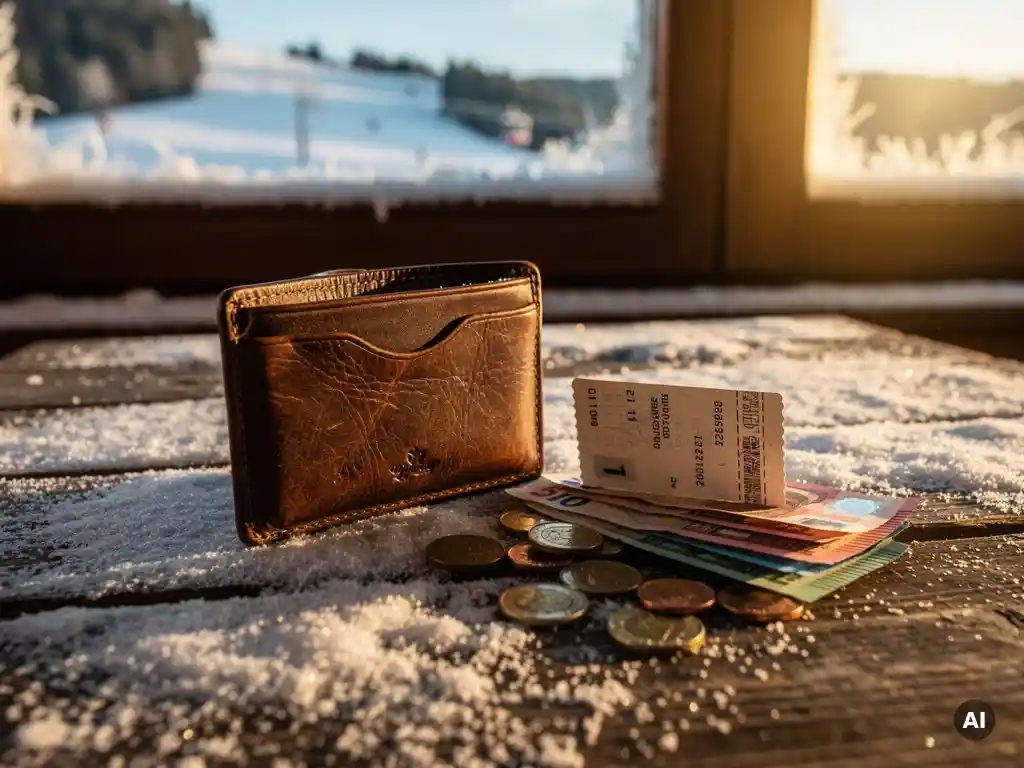
Booking a European ski holiday outside peak season can save you anywhere from 20% to 50% compared to peak-week prices, depending on your destination, accommodation, and timing. The biggest savings come from avoiding school holiday periods, particularly Christmas, New Year, and the February half-term rush. Read on to find out exactly when to go, where to go, and how to squeeze every euro of value from your off-peak trip.
How much cheaper is skiing outside peak season?
Skiing outside peak season typically cuts your overall trip cost by 20% to 50%. Accommodation is usually where you feel the biggest difference, with chalets and hotel rooms often priced significantly lower during quieter weeks. Lift passes, ski hire, and lessons can also drop noticeably, and restaurants tend to be less crowded and more willing to offer deals.
To put this in perspective, the average ski trip cost per person in Europe during a peak week can run to well over a thousand euros once you factor in flights, accommodation, lift passes, equipment hire, and lessons. During off-peak periods, that same combination of elements becomes far more affordable, sometimes dramatically so. Flights to Alpine airports are cheaper, last-minute accommodation deals appear, and you are not competing with half of Europe for a table at the mountain restaurant.
The savings are not uniform across every resort or every type of traveller. Families with school-age children are often locked into the most expensive windows. Solo travellers and couples without school constraints have the most flexibility and therefore the most to gain from going off-peak.
When exactly are the peak and off-peak ski seasons in Europe?
Peak ski season in Europe runs from late December through to early March, with the most expensive weeks centred around Christmas, New Year, and the various national school holiday windows in February and early March. Off-peak periods are generally early December, January outside the New Year window, and late March through April.
The peak weeks to avoid if price is a priority
- Christmas and New Year (late December to early January): The most expensive window of the season, with accommodation prices at their absolute peak and resorts at maximum capacity.
- February school holidays: Different countries stagger their half-terms, but collectively they keep resorts busy and prices high throughout most of February.
- Early March (some years): Depending on the calendar, school holiday periods can spill into the first week of March, keeping prices elevated.
The off-peak windows with the best value
- Early December: Snow cover can be patchy at lower altitudes, but higher resorts are often in excellent condition and prices are well below mid-season rates.
- January (excluding New Year): Often the coldest and snowiest month in the Alps, with quieter slopes and noticeably lower prices than February.
- Late March and April: Spring skiing offers long sunny days, soft snow in the afternoons, and some of the lowest prices of the season. Higher-altitude glaciers remain skiable well into April.
Which European ski resorts offer the best off-peak value?
Resorts in Austria and the smaller French and Swiss villages consistently offer better off-peak value than the most famous names on the map. Destinations like Sölden, Ischgl, and the SkiWelt area in Austria, or lesser-known French resorts like Les Orres and Vars, tend to have lower base prices and more dramatic off-peak discounts than Verbier, Courchevel, or Zermatt.
German resorts such as Winterberg and Willingen are worth considering for shorter, budget-conscious trips, particularly for beginners or families looking for a first ski experience without the cost of a full Alpine expedition. These destinations are especially accessible for travellers from the Netherlands and northern Europe.
In general, the formula for finding off-peak value is to look for resorts that rely heavily on domestic tourism. When local school holidays end, prices drop quickly because the resort depends on filling beds rather than turning people away. Resorts with a strong international reputation tend to hold their prices more stubbornly even in quieter weeks.
Does off-peak skiing mean worse snow conditions?
Not necessarily. January is statistically one of the best months for snow in the Alps, and it sits squarely in the off-peak window between New Year and the February holidays. Early December can be hit or miss at lower altitudes, but high-altitude resorts above 1,800 metres are usually well covered. Late March and April bring spring conditions, which are different rather than worse.
Spring skiing has a passionate following for good reason. Morning runs on firm, groomed snow give way to soft, forgiving conditions by midday. The light lasts longer, the sun is warmer, and the atmosphere on the mountain is relaxed and joyful. Experienced skiers often rate April as their favourite month on the slopes precisely because the crowds have thinned and the conditions remain excellent at altitude.
The one genuine risk is early December at lower-altitude resorts, where natural snow cover can be thin. Choosing a resort with a high base altitude or confirmed snowmaking infrastructure removes most of this uncertainty.
How do ski lesson prices change outside peak season?
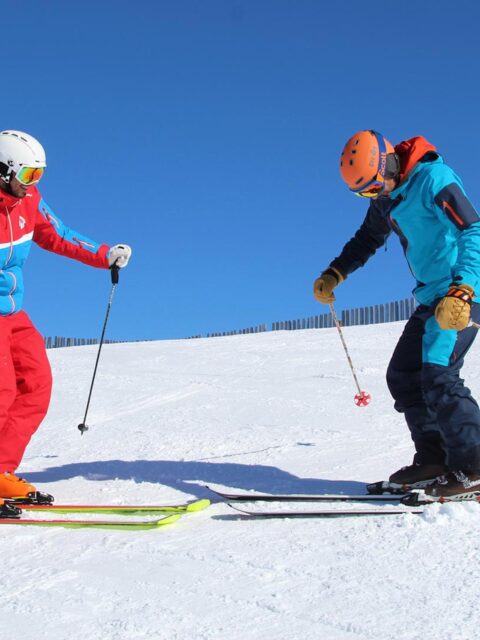
Ski lesson prices outside peak season are typically lower than during the Christmas and February holiday rush, and availability is far better. During peak weeks, group lessons fill up fast and private instructor slots are booked out days in advance. In off-peak periods, you have more choice, more flexibility, and often more negotiating room on price.
Group lessons can be meaningfully cheaper in January or late March compared to the same lesson booked during half-term. Private lessons, which already represent a premium, are easier to secure at short notice and some instructors offer reduced rates to fill their calendars during quieter weeks.
Beyond price, off-peak lessons often deliver a better learning experience. Smaller group sizes, less crowded slopes, and instructors who are not exhausted from back-to-back peak-week sessions all contribute to faster progress on the mountain. For beginners especially, learning in a quieter environment makes a real difference.
Should you book early or last-minute for off-peak ski deals?
For off-peak ski trips, the best strategy depends on what you are booking. Accommodation and flights reward early planning, while ski lessons and lift passes can sometimes be secured at better prices closer to your travel dates. The general rule is: lock in the big fixed costs early, and stay flexible on the smaller elements.
Booking flights three to four months in advance typically secures better fares than waiting, even for off-peak dates. Accommodation in popular resorts can still sell out during the best off-peak weeks, particularly in January, so early booking gives you access to the best properties at the best prices.
Ski lessons are a slightly different story. While booking ahead guarantees your preferred time slot and instructor, off-peak availability means last-minute bookings are often possible without compromising on quality. That said, if you have a specific instructor in mind or want a private lesson at a precise time each day, booking in advance is always the safer choice.
How Ski-Pro helps you find the best off-peak ski lessons
Finding the right ski lesson at the right price is exactly what we built Ski-Pro to do. Whether you are planning a January escape or a spring skiing adventure in April, our platform makes it easy to compare options and book with confidence.
Here is what we offer to help you make the most of your off-peak trip:
- 250+ ski schools and instructors across the Alps, all in one place
- Easy comparison of group and private lessons by price, location, and skill level
- Flexible booking that works whether you plan months ahead or decide to go at the last minute
- Options for all levels, from complete beginners taking their first snowplough turns to advanced skiers chasing steeper terrain
- Transparent pricing with no hidden fees, so you always know what you are paying
Off-peak skiing is one of the smartest moves a winter sports enthusiast can make, and we want to make sure you get the most out of every day on the mountain. Compare ski lessons and instructors across the Alps and start planning your best value ski trip yet.