
How is weather important for snowboard lessons?
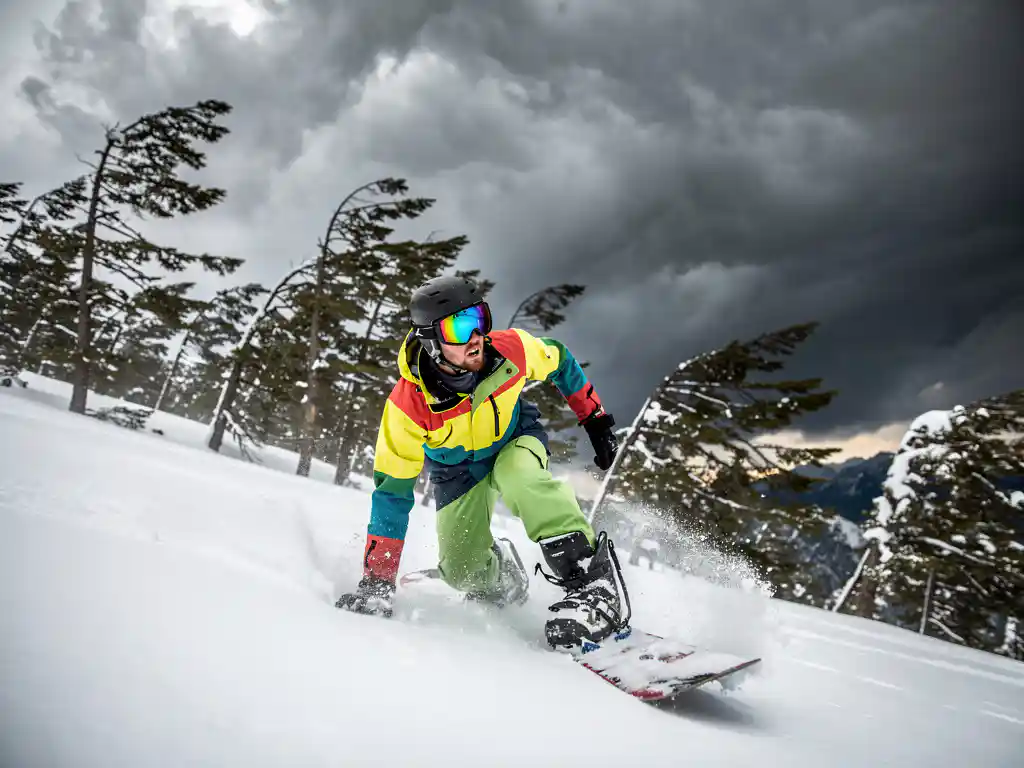
Weather has a direct and crucial impact on your snowboard lesson performance and safety. Poor weather conditions can limit your visibility, affect snow quality, and even lead to dangerous situations. From ice formation to extreme winds: various weather factors determine whether your snowboard lesson can proceed and how effectively you can learn. The right weather conditions make the difference between a fantastic learning experience and a frustrating day on the slopes.
Why is weather so crucial for safe snowboard lessons?
Weather conditions directly affect your safety, visibility, and learning effectiveness during snowboard lessons. Bad weather can lead to limited visibility, dangerous ice formation, and extreme temperatures that make learning difficult or even impossible.
Limited visibility due to snowfall or fog is one of the biggest risk factors. If you can’t see the slope clearly, you can’t spot other skiers and snowboarders approaching in time. This significantly increases the risk of collisions, especially for beginners who don’t yet have full control over their speed and direction.
Ice formation caused by changing temperatures creates another dangerous situation. When snow melts during the day and freezes again at night, icy patches form that are difficult to see. This unpredictable surface makes it extra challenging for beginners to maintain their balance and practice techniques.
Extreme temperatures also affect your concentration and physical performance. At temperatures below -15°C, your body becomes stiff and you react more slowly, while temperatures that are too warm lead to rapid fatigue and reduced focus.
Which weather conditions make snowboard lessons impossible?
Snowboard lessons are cancelled when wind speeds exceed 60 km/h, visibility drops below 50 meters, temperatures fall below -20°C or rise above 5°C, and during freezing rain or heavy rainfall. These safety standards apply at virtually all reputable ski schools in the Alps.
Strong winds are particularly dangerous for snowboarders because you have a larger surface area than skiers. At wind speeds above 60 km/h, you can literally be blown off the slope, especially on open slopes and mountain ridges. Lifts often close at lower wind speeds.
Poor visibility due to dense fog, snowstorms, or whiteout conditions makes it impossible to see obstacles, other people, or even the edge of the slope. Professional ski schools usually maintain a minimum visibility of 50 meters before cancelling lessons.
Extreme temperatures cause various problems. Below -20°C, the snow becomes so hard that falling becomes extra painful and your equipment doesn’t function properly. Above 5°C, the snow becomes so soft that you sink into it and have less control.
How does snow quality affect your snowboard lesson performance?
Different snow types each have their own challenges for snowboard lessons. Powder snow is ideal for advanced riders but difficult for beginners, while well-groomed artificial snow provides the best learning conditions for new snowboarders.
Powder snow feels magical once you master the technique, but for beginners it’s a challenge. You sink deeper, making it harder to maintain your balance and learn basic movements. The snow provides less direct feedback on your movements.
Artificial snow, on the other hand, offers consistent conditions that are perfect for learning basic techniques. It’s firmer and more predictable, allowing you to better feel how your board responds to weight shifts and edge movements.
Icy slopes are challenging for all levels. Your board has less grip, making it harder to brake and make turns. For beginners, this can cause fear and slow down the learning process.
Wet, heavy snow caused by warm temperatures makes snowboarding heavy and tiring. Your board sticks to the snow, requiring more force for every movement.
What are the ideal weather conditions for snowboard lessons?
The perfect conditions for snowboard lessons are temperatures between -5°C and -10°C, little wind, good visibility, and recently groomed slopes. This combination provides optimal snow quality and comfortable learning conditions for all levels.
Temperatures between -5°C and -10°C create snow that’s firm enough for good control, but not so hard that falling becomes painful. Your body remains flexible and responds well to instructions.
Light cloud cover or gentle sun provides the best light to see the slope clearly without glare. Bright sunlight can create white spots, while overcast weather sometimes gives flat light, making it difficult to judge depth.
Calm weather or a very light breeze makes it easier to maintain your balance and hear instructions from your instructor. This is especially important for beginners who aren’t yet used to the wind you feel while gliding downhill.
Advanced snowboarders can handle more challenging conditions and actually benefit from variation in snow quality to improve their techniques.
How does Ski-Pro help you find the best snowboard lessons for any weather type?
Ski-Pro compares more than 350 ski schools in the Alps and shows their weather policies, cancellation conditions, and flexibility in changing conditions. This way you’ll always find a school that suits your needs and the current weather.
Our platform shows which ski schools have flexible cancellation policies for bad weather. Some schools offer free rebooking, while others provide alternative activities such as indoor lessons or theory classes.
We also show which schools specialize in different weather conditions. Some schools are experts at teaching in difficult conditions and can help you learn to handle challenging snow.
Through our comparison function, you can see at a glance which options are available when the weather changes. You can set filters for indoor facilities, flexible times, or schools with covered practice areas.
As an experienced group of snow lovers who enjoy spotting powder and searching for first tracks, we understand that weather can disrupt your plans. That’s why we always help you find a great alternative, so your precious time on the mountain is optimally used, regardless of weather conditions.
Frequently Asked Questions
What should I do if the weather suddenly changes during my snowboard lesson?
Stop the lesson immediately if visibility becomes worse than 50 meters or the wind becomes too strong. Seek shelter and always follow your instructor's directions. Most ski schools have emergency protocols and will guide you safely down or move the lesson to a more sheltered location.
Can I as a beginner also take lessons in slightly poor weather conditions?
Yes, but only under the guidance of an experienced instructor and in mild conditions such as light snowfall or cloud cover. Avoid lessons in winds above 40 km/h, poor visibility, or icy slopes. Your instructor can help you get used to different snow conditions, which is valuable for your development.
How can I assess in advance whether my snowboard lesson can proceed?
Check the weather forecast 24 hours in advance and pay special attention to wind speed, temperature, and visibility. Most ski schools communicate cancellations 2-4 hours before the lesson via phone or app. When in doubt, you can always contact your ski school for their current assessment.
Do I get my money back if my snowboard lesson is cancelled due to bad weather?
This depends on your ski school's cancellation policy. Many reputable schools offer free rebooking to another day or full refund for weather conditions that fall outside their safety standards. Always check the terms and conditions when booking through Ski-Pro.