
What is the difference between summer and winter snowboard lessons?
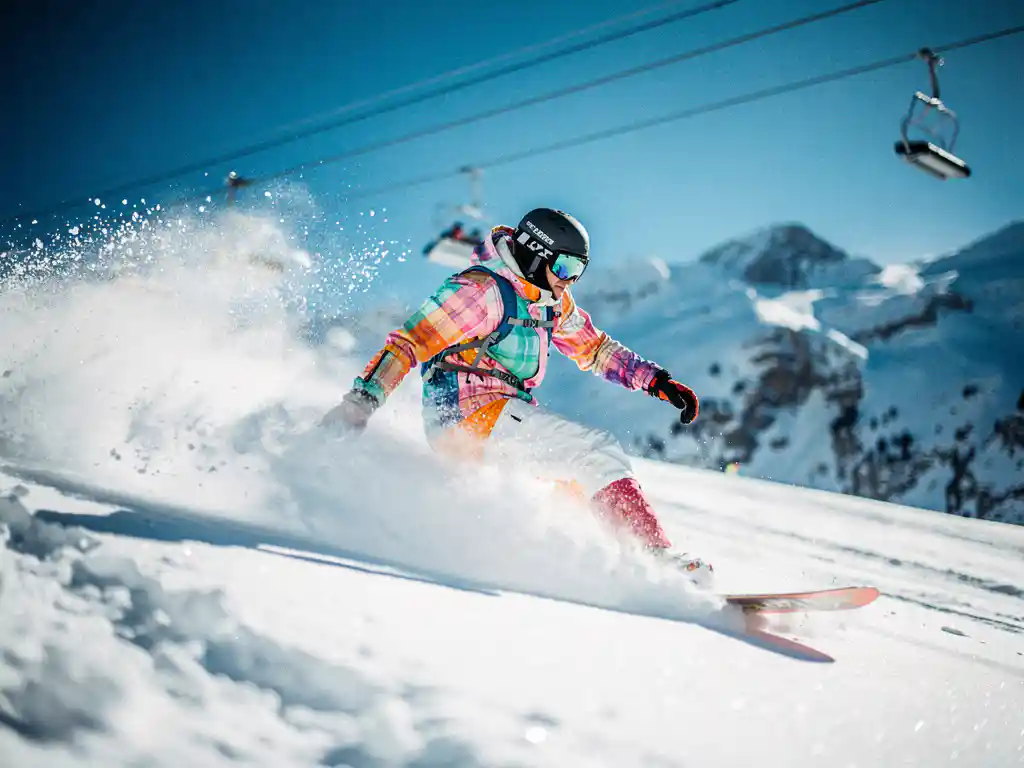
The choice between summer and winter snowboarding lessons depends on your skill level, preferences, and availability. Summer snowboarding lessons take place in indoor centers with artificial snow and controlled conditions, while winter lessons occur on real mountain slopes in the Alps. Both have unique advantages: summer lessons offer stability and are perfect for beginners, while winter lessons provide an authentic mountain experience and challenging conditions for all levels.
What are the key differences between summer and winter snowboarding lessons?
Summer and winter snowboarding lessons differ fundamentally in location, snow conditions, and teaching methods. Summer lessons take place in indoor ski halls with artificial snow at constant temperatures around -5°C, while winter lessons occur on real mountain slopes in the Alps, with natural snow and changing weather conditions.
The main differences are:
- Location: indoor centers versus outdoor slopes in ski resorts
- Snow conditions: artificial snow versus natural powder snow
- Temperature: controlled -5°C versus varying mountain temperatures
- Terrain: one limited slope versus varied mountain terrain
- Weather conditions: no wind or snowfall versus real mountain weather
These differences significantly influence teaching methods. Indoor instructors focus on building technique in stable conditions, while mountain instructors teach you to handle varying snow and weather conditions that you’ll encounter in real mountains.
What advantages do summer snowboarding lessons offer for beginners?
Summer snowboarding lessons are ideal for beginners due to the controlled conditions and predictable learning environment. You don’t have to worry about bad weather, extreme cold, or crowded slopes, allowing you to focus completely on learning basic techniques.
The main advantages for beginners:
- Constant conditions: always the same snow quality and temperature
- Less intimidating: smaller, manageable slopes
- Year-round availability: lessons possible throughout the year
- Less crowded: no massive crowds like in popular ski resorts
- Faster progression: no weather conditions interrupting lessons
Additionally, in summer you can calmly try out your equipment and get used to the feeling of snowboarding before heading to the mountain. This builds confidence and ensures your first real mountain experience will be much more enjoyable.
Why do advanced snowboarders choose winter lessons in the Alps?
Advanced snowboarders choose winter lessons in the Alps for the authentic mountain experience and challenging conditions you can’t find anywhere else. Real powder snow, steep slopes, and varied terrain offer opportunities that indoor facilities simply cannot match.
The unique advantages of winter lessons in the mountains:
- Varied terrain: off-piste, bowls, and different slope angles
- Powder snow: an unmatched riding experience in fresh snow
- Challenging conditions: wind, visibility, and different snow types
- Higher speeds: longer descents for technique improvement
- Mountain culture: authentic après-ski and alpine atmosphere
For advanced riders, it’s not just about technique, but also about learning to read the mountain, assess weather conditions, and navigate safely in challenging terrain. These skills can only be developed in a real mountain environment.
How does equipment differ between summer and winter snowboarding lessons?
Equipment for summer and winter snowboarding lessons differs significantly due to temperature differences and different environments. For summer lessons, you need lighter clothing due to controlled indoor temperatures, while winter equipment must protect you from extreme mountain weather.
Equipment differences by season:
Summer snowboarding equipment:
- Light ski jacket and pants (softshell material)
- Thin thermal clothing as base layer
- Lighter gloves
- Standard snowboard and bindings
- Helmet and wrist guards
Winter snowboarding equipment:
- Waterproof, breathable ski jacket and pants
- Multiple clothing layers (base layer, mid layer, outer layer)
- Warm, waterproof gloves
- All-mountain or powder snowboard
- Extended protection (back protector, knee pads)
- Ski goggles and face protection
The major difference lies in the versatility of winter equipment. You must be prepared for temperature changes from -20°C to +5°C in one day, while indoor temperature remains constant.
Why Ski-Pro is the best choice for comparing snowboarding lessons?
Ski-Pro is your perfect partner for finding the ideal snowboarding lesson, regardless of whether you choose summer or winter lessons. We compare more than 350 certified ski schools throughout the Alpine region, so you’re guaranteed to find the best instruction that fits your level and budget.
Why powder-spotting snow lovers choose us:
- Comprehensive comparison: prices, lesson types, and availability in one place
- Quality guarantee: only certified and reliable ski schools
- Transparent prices: no hidden costs or surprises
- For every level: from absolute beginner to expert level
- Quick booking: secure and simple reservations
Whether you want to take your first snowboarding lesson in a Dutch indoor hall or perfect your technique on the slopes of Austria, France, or Switzerland: we help you find the perfect match. Our platform makes the difference between summer and winter lessons clear, so you can make an informed choice.
As a true tribe of first-track-hunting snow lovers, we understand that every snowboarder is unique. That’s why we offer personalized recommendations based on your experience, preferences, and travel plans. From group lessons to private instruction, from beginner courses to advanced technique lessons: at Ski-Pro you’ll always find the perfect snowboarding lesson for your winter adventure.
Frequently Asked Questions
How much does it cost to switch from summer to winter snowboarding lessons?
Costs vary greatly by location and season. Summer lessons in the Netherlands cost an average of €40-60 per lesson, while winter lessons in the Alps cost €50-80 per group lesson. Additional costs include accommodation, ski pass (€40-60 per day), and possible equipment rental. Through Ski-Pro you can easily compare prices and find the best offer.
Can I snowboard directly on black runs in the Alps after summer lessons?
This depends on your technical level after summer lessons. Most beginners who learned indoors are ready for blue to red runs. Black runs require more experience with varying snow conditions and steep slopes. We recommend taking a few lessons on the mountain first to adapt to new conditions before attempting challenging runs.
What mistakes do people often make when transitioning from indoor to outdoor snowboarding?
The most common mistakes are underestimating weather conditions, wanting to go to difficult runs too quickly, and not adapting technique to different snow types. Many snowboarders also forget that mountain weather can change rapidly. Always start with a few lessons from a mountain instructor to adapt your technique to new conditions.
How far in advance should I book winter snowboarding lessons in the Alps?
For the best availability and prices, we recommend booking 6-8 weeks in advance, especially during school holidays and peak periods (Christmas, February). For summer lessons in indoor centers, 2-3 weeks is usually sufficient. Through Ski-Pro you can check real-time availability and book directly with more than 350 certified ski schools.