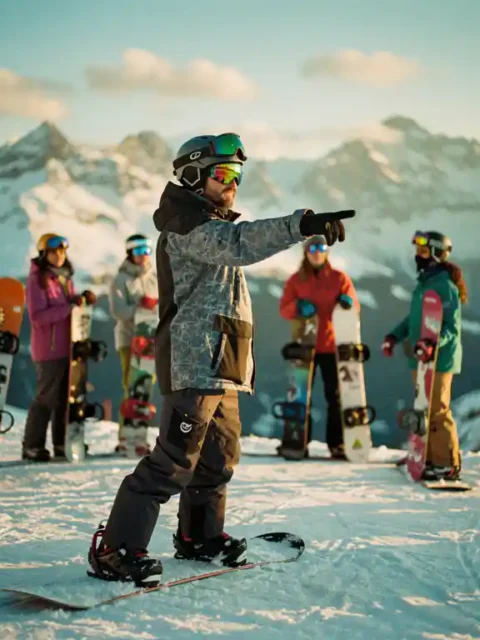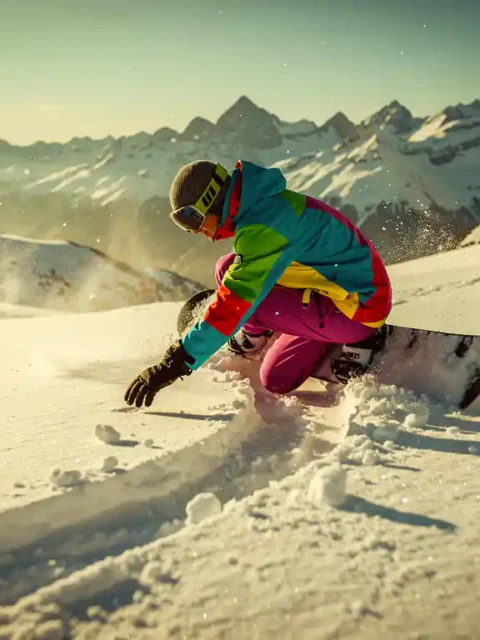

What is the difference between freestyle and carve lessons for beginners?
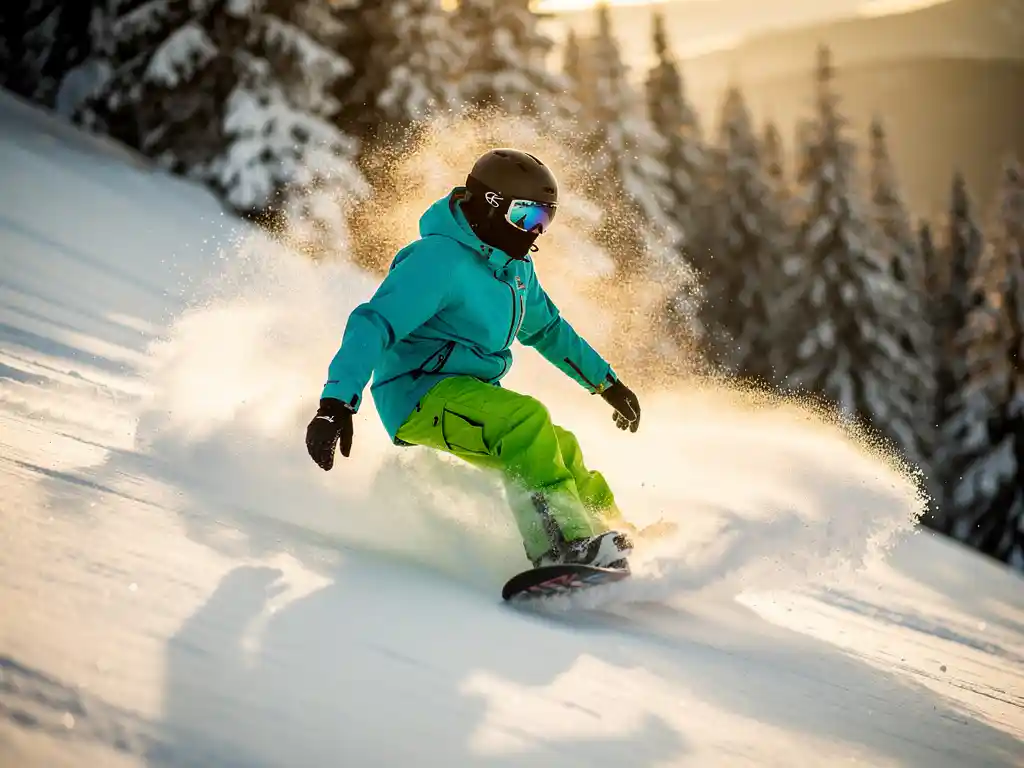
For beginners, the difference between freestyle and carve lessons lies mainly in focus: carve lessons concentrate on ski technique and making controlled turns, while freestyle lessons revolve around creative movements, jumps, and tricks. Carve techniques are ideal for beginners who want to build a solid foundation, while freestyle is more suitable for adventurous skiers who have already mastered basic skills. Snowboard lessons follow similar principles, with a technical versus creative approach.
What is the difference between freestyle and carve techniques for beginners?
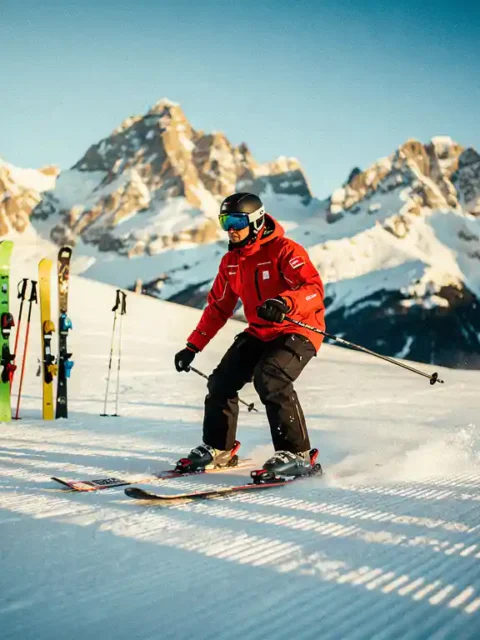
Carve techniques focus on making sharp, controlled turns where your skis ‘cut’ through the snow rather than slide. In carving, you learn to shift your weight correctly and put your skis on edge for maximum grip. This technique builds a strong technical foundation and gives you complete control over your speed and direction.
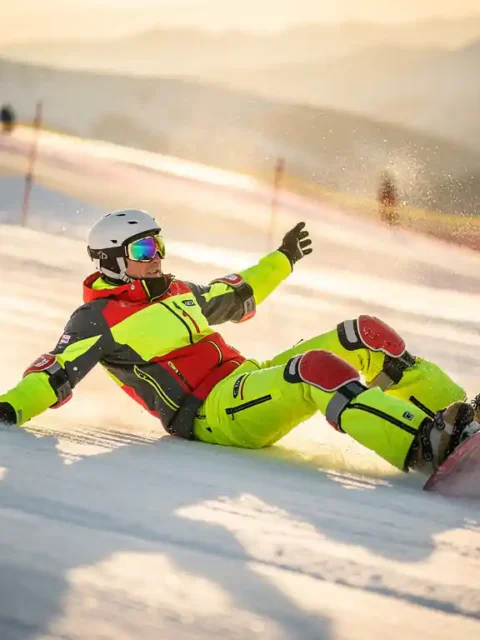
Freestyle, on the other hand, is much more playful and creative. Here you learn to make jumps, perform rotations, and execute various tricks in the fun park. Freestyle lessons usually start with small jumps and simple movements, but do require that you can already ski comfortably on blue slopes.
For absolute beginners, carve lessons are usually the best choice because they:
- establish a solid technical foundation
- develop safety skills
- build confidence on different terrain types
- teach essential movement patterns
Which ski lessons are best for absolute beginners?
For complete beginners, carve lessons are almost always the best choice. These lessons focus on fundamental skills like balance, weight distribution, and basic turning technique. You learn step by step how to stop safely, control your speed, and descend different slopes with confidence.
Carve lessons offer important advantages for beginners:
- systematic skill development
- focus on safety and control
- suitable for all ages and fitness levels
- directly applicable on all slopes
Freestyle lessons are less suitable for absolute beginners because they require that you can already:
- ski parallel comfortably
- control your speed well
- master basic jumping techniques
- have confidence on different terrain types
The same applies to snowboard lessons: beginners start best with technical lessons before moving on to freestyle elements.
How do you choose between freestyle and carve lessons via Ski-Pro?
Through Ski-Pro you can easily compare ski lessons by browsing more than 350 ski schools. The platform clearly shows which lessons are suitable for your level and provides detailed descriptions of each lesson approach.
When selecting, pay attention to:
- Your current level – honest assessment is crucial
- objectives – do you want to perfect your technique or become more creative?
- age and fitness – some freestyle lessons are more physically intensive
- available time – carve lessons build up more systematically
Ski-Pro only works with certified and reputable ski schools, which guarantees quality and safety. You can compare prices, lesson types, group versus private lessons, levels, and availability in one place. The booking process is fast, transparent, and secure – ideal for beginners, families, and advanced skiers.
The platform helps you find the best option in your region, based on level, budget, and lesson style. This way you make an informed choice that perfectly fits your winter sports adventure.
What are the costs of freestyle versus carve lessons in the Alps?
Carve lessons usually cost between €45 and €75 per person for group lessons and €60 to €120 for private lessons. Freestyle lessons are often slightly more expensive due to specialized instructors and smaller groups, with prices from €55 to €85 for group lessons and €70 to €140 for private lessons.
Factors that influence costs:
- season and location – top resorts are more expensive
- group size – smaller groups cost more
- instructor level – specialists charge higher rates
- lesson duration – half day versus full day
- extra services – equipment, lift tickets
Through Ski-Pro you find the best value for money by comparing different ski schools. The platform transparently shows all costs and what’s included, so you won’t face surprises. Similar pricing structures apply for snowboard lessons as well.
Many ski schools offer packages that are more advantageous than individual lessons, especially for multi-day courses. Beginners often benefit from these packages because they can systematically build their skills.
What equipment do you need for freestyle versus carve lessons?
For carve lessons you need standard equipment: all-mountain skis, ski boots, a helmet, and possibly wrist guards. Carve skis are usually somewhat longer and stiffer, for better edge grip and stability at higher speeds.
Freestyle lessons require more protective equipment:
- helmet – absolutely essential for jumps
- back protector – protects during hard landings
- wrist and knee guards – help prevent injuries
- freestyle skis – shorter and more flexible for tricks
Important differences in equipment:
- carve skis: longer, stiffer, focus on edge grip
- freestyle skis: shorter, more flexible, twin-tip for backward skiing
- boots: often slightly softer for freestyle for more freedom of movement
For beginners it’s wise to rent equipment until you know which direction you want to go. Most ski schools you book through Ski-Pro offer complete rental packages that perfectly match the lesson type. For snowboard lessons as well, renting is the best option in the beginning.
Don’t forget that good equipment contributes to your safety and learning process. Invest especially in a good helmet and make sure everything fits properly – poorly fitting equipment can hinder your progress and increase the risk of injury.
Frequently Asked Questions
When can I switch from carve lessons to freestyle?
You can switch to freestyle when you can ski parallel comfortably on blue and red slopes, control your speed well, and have built up confidence. Most instructors advise at least one season of carve experience before starting with freestyle elements.
Are freestyle lessons more dangerous than carve lessons?
Freestyle lessons do have a higher injury risk due to jumps and tricks, but with good guidance and proper protective equipment they can be performed safely. Certified instructors ensure gradual progression and place great emphasis on safe landing techniques.
Can I take freestyle lessons as an adult beginner?
Yes, but it's wise to first build a solid carve foundation. Adults can certainly learn freestyle techniques, although the focus often lies on less extreme tricks and more on flow and creativity than with younger skiers.
How long does it take before I master the basics of carve techniques?
For most beginners it takes 3-5 lesson days to master basic carve techniques. With intensive lessons and regular practice you can make comfortable parallel turns and control your speed well on blue slopes within a week.