
How does a snowboard lesson work on an indoor slope?
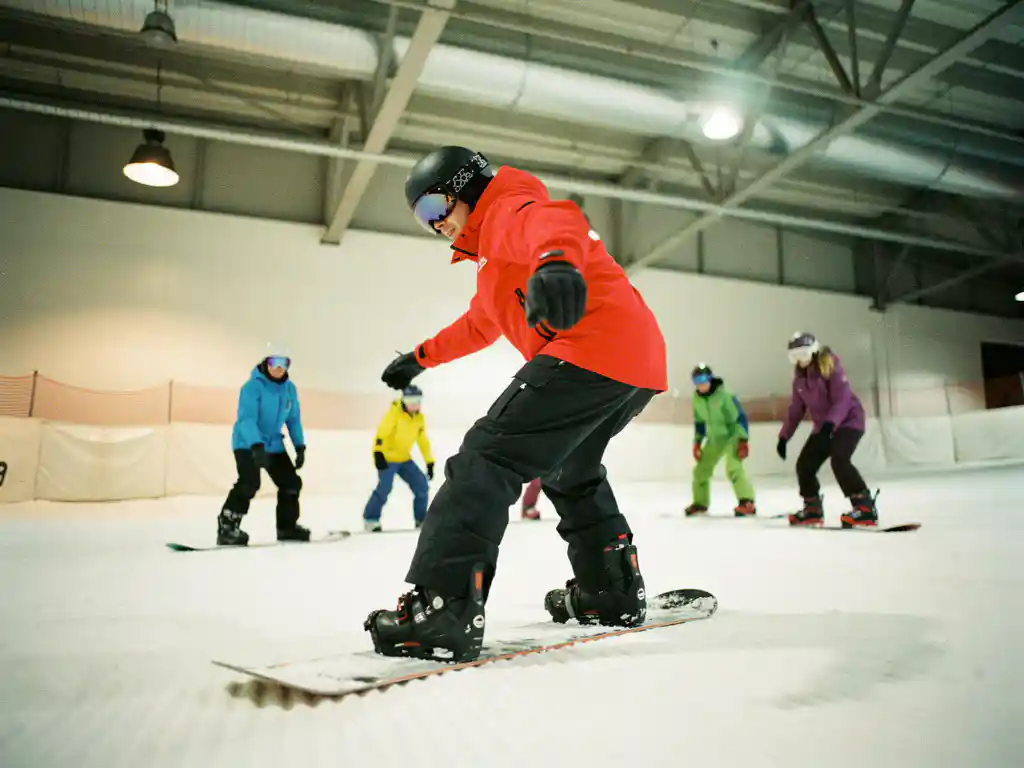
An indoor snowboard lesson on an artificial slope is a structured lesson on an artificial snow slope in a covered facility. You learn to snowboard in controlled conditions, with constant temperature and snow quality. Indoor slopes offer an excellent way to learn the basics before heading to the mountains, with experienced instructors guiding you from your first steps to independent snowboarding.
What exactly is a snowboard lesson on an indoor slope?
An indoor snowboard lesson takes place in an artificial snow environment in a covered hall. These facilities use special machines to produce real snow and maintain a constant temperature between -2 and -8 degrees Celsius. The slope usually has a gradient of 10 to 25 degrees, which is perfect for beginners and intermediate riders.
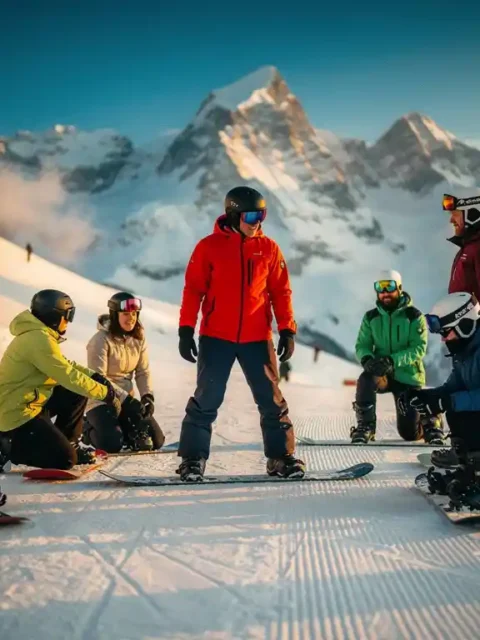
The lesson structure is similar to outdoor lessons, but adapted to the indoor environment. You start by selecting and putting on your equipment, followed by a safety briefing. Then you learn the basics step by step: finding balance, falling and getting up, and making your first gliding movements. The instructor stays close to you to give direct feedback and help you when needed.
The big advantage of indoor snowboarding is predictability. There’s no wind, no changing weather, and the snow quality remains constant. This makes learning easier because you can focus completely on technique without external factors that distract you.
How does snowboarding on an indoor slope differ from real mountains?
Indoor snowboarding offers more control, but less variation than outdoor snowboarding. The artificial snow is usually harder and more compact than powder snow in the mountains. The slopes are shorter and less steep, which is ideal for beginners but less challenging for experienced snowboarders.
Weather conditions don’t play a role indoors. You don’t need to worry about sudden snowstorms, wind, or changing visibility. The temperature remains constant, so you need less thick clothing. This makes movement easier and learning more comfortable.
The mountain experience, on the other hand, offers more variation in terrain, snow conditions, and challenges. You have longer slopes, different difficulty levels, and a beautiful mountain environment. Indoor slopes are perfect for learning the basics, while the mountains give you the full snowboarding experience with all natural elements.
What do you learn during your first indoor snowboard lesson?
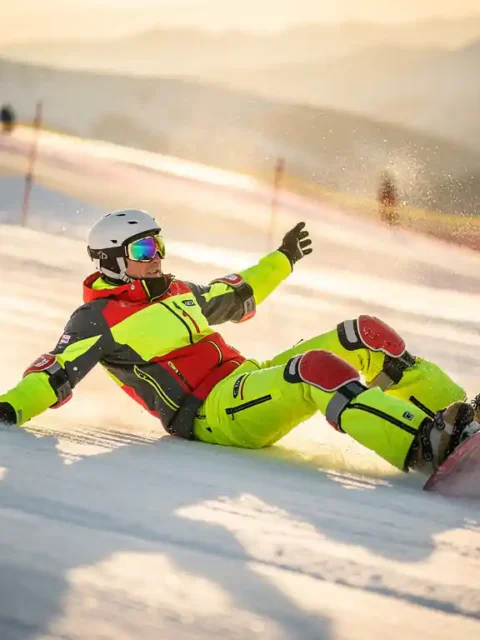
Your first snowboard lesson begins with balance and body posture on flat ground. The instructor lets you feel how the board reacts to weight shifts and how you can fall safely. This is crucial because proper falling prevents injuries and gives you confidence.
Next, you learn the basic stance and how to control the board. You practice with one foot strapped in on flat areas, so you get used to the feeling. Then you go to a gentle slope, where you learn to glide, brake, and make your first turns. The instructor demonstrates every movement and helps you individually.
Indoor instructors often use visual aids and can provide more intensive guidance due to the limited space. They can better observe your movements and correct them immediately. By the end of your first lesson, you can usually independently ride down a small slope and stop in a controlled manner.
What equipment do you need for an indoor snowboard lesson?
For an indoor snowboard lesson, you need warm, water-repellent clothing, but less thick than for outdoor snowboarding. Think of a ski jacket, ski pants, gloves, hat, and good socks. Avoid cotton because it retains moisture and becomes cold.
Most indoor facilities rent all necessary equipment:
- Snowboard (adjusted to your height and weight)
- Snowboard boots (proper fit is essential)
- Helmet (strongly recommended for safety)
- Wrist guards (help when falling)
What you usually need to bring yourself are only your clothes and possibly ski goggles, although this is less necessary indoors than outside. Make sure your clothing isn’t too tight so you can move freely. Good gloves are important because your hands often come into contact with the snow while learning.
Why Ski-Pro is the best place to compare snowboard lessons?
Ski-Pro makes choosing the right snowboard lesson simple by comparing more than 350 ski schools and instructors on one platform. You can immediately see prices, availability, and lesson types for both indoor facilities and Alpine destinations. This saves time and ensures you find the best option for your level and budget.
We only work with certified and renowned ski schools that meet our quality standards. This means you’re assured of professional instruction, good equipment, and safe teaching methods. Whether you’re a complete beginner or want to refine your technique, you’ll find the right match.
The booking process is transparent and secure. You see all costs upfront, can compare different options (group lessons versus private lessons), and book directly online. For families, we offer special packages, and experienced snowboarders can choose from specialized technique lessons. As true powder-spotting, first-track-hunting snow lovers, we understand what you’re looking for in a perfect snowboard lesson experience.
Indoor snowboard lessons are the perfect way to start your winter sports adventure or sharpen your skills. With proper preparation and a good instructor, you’ll make quick progress in a safe, controlled environment. Ready to make your first turns on artificial snow?
Frequently Asked Questions
How long does it take before I can snowboard independently after indoor lessons?
Most beginners can independently ride down an easy slope and stop in a controlled manner after 3-4 indoor lessons of 1-2 hours each. Due to the controlled conditions indoors, you learn faster than outside. For smooth turns and more confidence, you usually need 6-8 lessons, depending on your natural balance and sports background.
Can I go directly to the mountains after indoor lessons, or do I need additional preparation?
After a good indoor foundation, you can certainly go to the mountains, but expect an adjustment period. Mountain conditions are more challenging: longer slopes, different snow types, and weather conditions. Take a few more lessons during your first mountain trip to get used to the new environment and learn to deal with lifts and different slope difficulties.
What are the biggest mistakes beginners make during indoor snowboard lessons?
Common mistakes include looking down too much (which disrupts your balance), holding on too tightly from fear, and trying to go too fast before mastering the basics. Beginners also often wear clothing that's too thick indoors, which hampers movement. Listen carefully to your instructor and focus first on balance and control before building up speed.
Are indoor snowboard lessons suitable for children and what is the minimum age?
Yes, indoor lessons are perfect for children from about 6-7 years old. The controlled environment is safer and less overwhelming than mountains. Children often learn faster due to their natural balance and less fear. Most indoor facilities offer special children's lessons with adapted equipment and playful teaching methods. Make sure to provide extra warm clothing, as children get cold more quickly.