
What do you do in case of snowboard lesson accidents or equipment damage?
Accidents and equipment damage can occur during snowboard lessons, but with proper preparation and knowledge, you can minimize the risks. The most important thing is knowing how to respond to accidents, who is liable for damage, and what insurance you need. This guide answers the most frequently asked questions about safety during snowboard lessons in the Alps.
What should you do in case of a snowboard accident during your lesson?
Stop snowboarding immediately and stay with the injured person. Make sure you don’t block the slope and warn other skiers. Call 112 or the local emergency number if there are serious injuries. Always inform your snowboard instructor, even for minor accidents.
The first steps after an accident are crucial for everyone’s safety. Don’t move the injured person unless there’s immediate danger. Keep the person warm with extra clothing or blankets and keep talking calmly to prevent shock.
Your snowboard instructor is trained in first aid and knows the local procedures. He or she knows how to contact the slope rescue and can assess whether professional help is needed. Always note the time, location, and circumstances of the accident for potential insurance claims.
For minor accidents, such as scrapes, you can apply basic first aid, but always have head injuries or possible fractures assessed by a professional. Mountain rescue has special equipment to safely transport injured people down the mountain.
Who is liable when you get injured during snowboard lessons?
Liability depends on the cause of the accident. If your instructor was negligent or gave unsafe instructions, the ski school may be liable. In cases of personal fault or normal snowboarding risks, you usually bear the responsibility yourself. Certified ski schools always have liability insurance.
Ski schools are required to employ qualified instructors who follow safety standards. If an instructor leads you into dangerous terrain or provides inadequate instruction, he or she can be held liable. Always keep your lesson confirmation and note your instructor’s name.
Normal snowboarding risks, such as falling while learning, fall under your own responsibility. This is usually stated in the terms and conditions you accept when booking. Always read these conditions before booking your snowboard lesson.
Insurance usually covers medical costs regardless of liability, but for property damage or pain and suffering compensation, it’s important to prove who was at fault. Take photos of the situation and ask witnesses for their contact information.
How do you prevent damage to snowboard equipment and what do you do if it happens anyway?
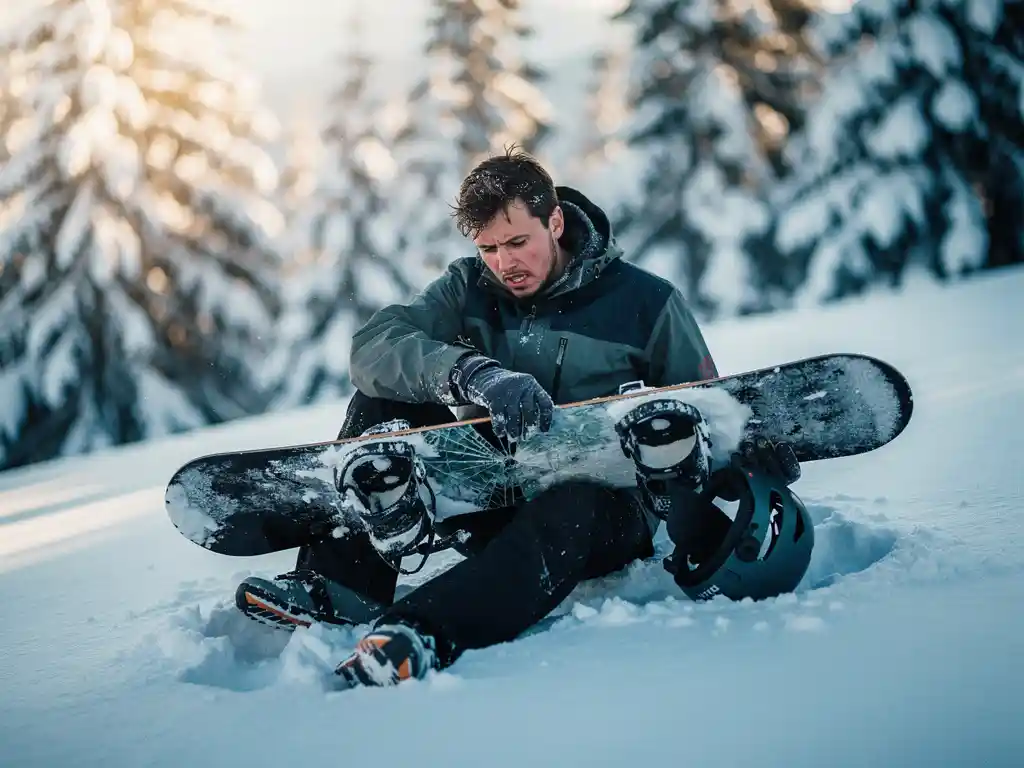
Always check your equipment before use and handle it carefully. Avoid hard collisions and don’t deliberately fall on your board. If damage occurs during the lesson, stop snowboarding immediately and inspect the damage. Report damage directly to your rental company or instructor for safety reasons and potential compensation.
Prevention starts with choosing the right size and correctly adjusting the bindings. Bindings that are too tight may not release during a fall, which can lead to injuries. Bindings that are too loose provide insufficient control. Always have this adjusted by a professional.
Inspect your snowboard, boots, and bindings daily for cracks, loose parts, or wear. Small problems can worsen while snowboarding and cause dangerous situations. Never use your equipment if you have doubts about its safety.
If damage occurs during your lesson, document everything with photos and ask your instructor for written confirmation. Many travel insurances cover equipment damage, but you need proof of how and when the damage occurred. Never rent new equipment without reporting the damage.
Why do Ski-Pro partner schools offer extra safety guarantees for snowboard lessons?
Ski-Pro only works with certified ski schools that maintain strict safety standards. Our more than 250 partner schools in the Alps all have qualified instructors, comprehensive liability insurance, and a proven safety record. This gives you extra security, especially as a beginner or when traveling with children.
Our selection process checks not only certifications but also equipment quality, group sizes, and safety procedures. We regularly visit our partner schools to ensure they continue to maintain our high standards. This means better instruction and less risk of accidents.
Through Ski-Pro, you can easily compare different snowboard schools on price, experience, and specializations. You can immediately see which schools are suitable for your level and read reviews from other snowboard enthusiasts. This transparency helps you make the best choice for safe and enjoyable lessons.
Our partner schools also offer clear communication in multiple languages and understand the needs of international guests. They know how Dutch insurance works and can help you with any claims or problems during your snowboard vacation.
What insurance do you need for snowboard lessons in the Alps?
Winter sports insurance is essential for snowboard lessons in the Alps. This covers medical costs, rescue costs, and equipment damage specific to winter sports. Standard travel insurance often excludes winter sports activities. Always check your policy before you leave.
Basic travel insurance usually doesn’t cover winter sports because the risks are higher. Mountain rescue can cost thousands of euros, and these costs aren’t always reimbursed without specific winter sports coverage. A helicopter transport easily costs €3,000 or more.
Look for insurance that covers the following: medical costs and repatriation, mountain rescue and transport, equipment damage or theft, lesson cancellation due to accident, and personal liability. Some insurances also offer coverage for lift pass reimbursement in case of injuries.
Always read the fine print about exclusions. Many insurances don’t cover off-piste snowboarding or activities under the influence of alcohol. Also check whether your existing health insurance applies abroad and what the deductible amounts are for different scenarios.
With proper preparation and insurance, you can enjoy your snowboard lessons in the Alps worry-free. Safety comes first, but that doesn’t mean you have to sacrifice fun. Always choose certified instructors and reliable ski schools to get the most out of your winter sports experience.
Frequently Asked Questions
How do I know if my current health insurance is valid during snowboard lessons abroad?
Contact your health insurer before you leave to check if you have coverage abroad and what the conditions are. Most Dutch health insurances offer limited coverage in EU countries, but winter sports injuries often fall under supplementary insurance. Ask specifically about coverage for mountain rescue and hospital costs in the Alps.
What are the main signs that my snowboard equipment has become unsafe?
Watch for cracks in the board (especially at the edges), loose or damaged bindings, worn boots that no longer provide support, and bindings that don't click in or release properly. Also, if your board vibrates unusually while riding or if the bindings have shifted, stop immediately. Always have questionable equipment checked by a professional.
Can I be held liable if I hit another person during my snowboard lesson?
Yes, as a snowboarder you are personally responsible for damage you cause to others, even during lessons. This usually falls under your personal liability insurance (AVP) or winter sports insurance. Always follow the FIS rules on the slope and follow your instructor's directions to minimize the risk of collisions.
What should I do if my child gets injured during a children's snowboard lesson?
Stay calm and let the qualified instructor assess the situation - they are trained in first aid for children. Go to your child immediately if it's safe to do so, but don't interfere with the assistance. Note all details of the accident and contact your insurance. Make sure you always have the contact information of the ski school and instructor with you during lessons.