Which snowboard accessories are useful for beginner lessons?
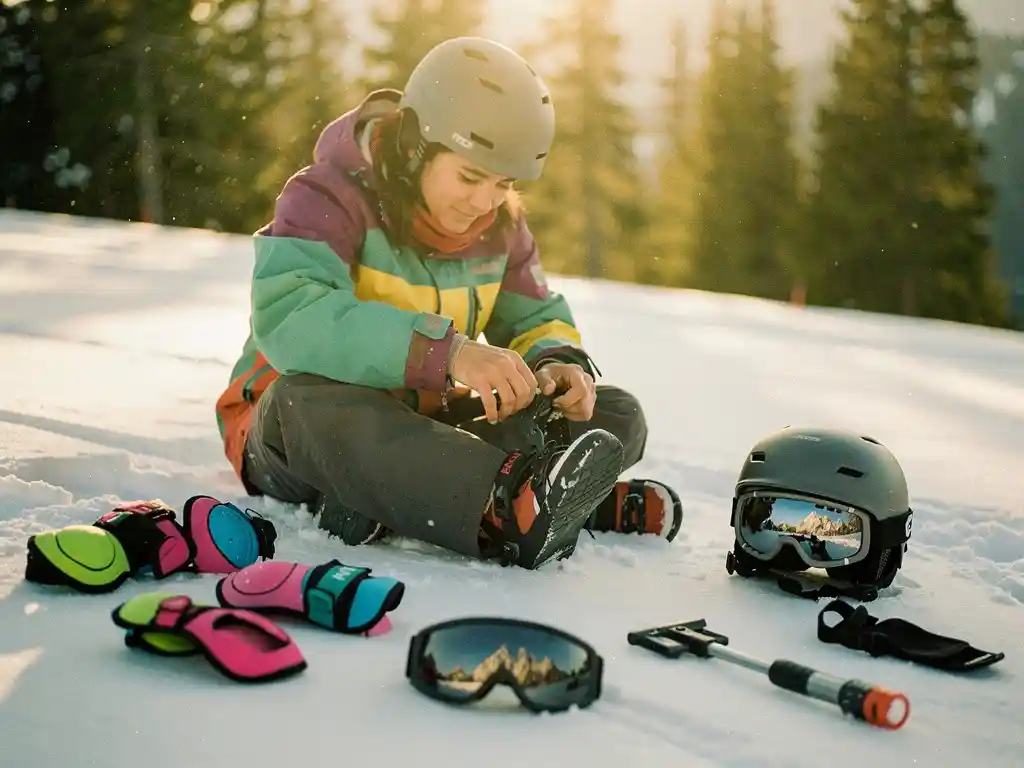
As a beginner snowboarder, you need several essential accessories for a safe and comfortable experience on the slopes. The most important items are a helmet, wrist guards, good layered snowboard clothing, and warm gloves. This basic equipment ensures safety and comfort during your first snowboard lesson, so you can focus on learning the techniques.
Which snowboard accessories do you really need as a beginner?
For beginners, safety equipment and basic comfort are the most important. You absolutely need a helmet, wrist guards, waterproof gloves, and suitable snowboard clothing. These items protect you from injuries and keep you warm and dry during your lessons.
The essential list for beginners includes:
- Helmet (mandatory on many slopes)
- Wrist guards (prevent painful falls)
- Waterproof jacket and pants
- Warm, waterproof gloves
- Thermal underwear
- Snowboard socks (not regular socks!)
- Ski goggles for visibility and protection
Nice-to-have items like back protection, heated socks, or an action camera can always be purchased later. Focus your budget first on basic safety and comfort. A good helmet and wrist guards can literally make the difference between a fun day and a hospital visit.
Why are helmets and protective gear so important during your first snowboard lessons?
Beginners fall an average of 10 to 15 times per lesson, especially on their wrists and back of their head. A helmet and wrist guards are therefore crucial for safety and confidence. They prevent serious injuries and help you learn relaxed, without fear of pain.
Wrist guards are perhaps the most important accessory for beginning snowboarders. When falling, you instinctively put your hands out, which without protection often leads to wrist fractures. Good wrist guards distribute the impact and keep your wrists in the correct position.
A helmet not only protects against head injury, but also provides warmth and comfort. Modern helmets are lightweight and well-ventilated, so you barely notice them while snowboarding. Many ski slopes require helmets, especially for beginners and children.
With the right protection, you dare to try more and learn faster. Your instructor can focus on technique instead of caution, which benefits your progress.
What is the difference between renting and buying snowboard accessories as a beginner?
Renting is usually the smartest choice for beginners, because you don’t yet know which size, style, or brands you like. Buying only pays off when you’re sure that snowboarding will become your sport and you’ll go regularly. Renting costs approximately 15 to 25 euros per day for basic equipment.
Advantages of renting:
- Lower initial costs (no investment of 200 to 400 euros)
- Ability to try different brands and sizes
- No worries about transport and storage
- Always well-maintained equipment
- Replacement for defects during your trip
Buying becomes interesting if you go snowboarding more than 5 to 7 days per season. Then you earn back the purchase costs and always have equipment that fits you perfectly. Some items, such as a helmet, gloves, and clothing, are better to buy due to hygiene and fit.
A smart middle ground is buying personal items (helmet, gloves, underwear) and renting snowboard, boots, and possibly jacket and pants.
How do you choose the right snowboard clothing for your first lessons?
Good snowboard clothing works according to the three-layer system: thermal underwear (moisture wicking), insulation layer (warmth), and outer layer (wind and waterproof). Avoid cotton and choose synthetic materials or merino wool, which wick moisture and dry quickly.
The layering system in detail:
Base layer: Thermal underwear made of merino wool or synthetic material. This transports sweat away from your skin and keeps you dry. Cotton becomes cold and clammy, so absolutely avoid it.
Insulation layer: A fleece sweater or down jacket for warmth. Depending on the weather, you can adjust this layer. On warm days you can skip this layer; on cold days you add extra.
Outer layer: A waterproof and breathable snowboard jacket and pants. Look for material with at least 10,000 mm water column and good ventilation options, such as zippers under the arms.
Don’t forget your extremities: waterproof gloves with wrist closure, warm snowboard socks (no double socks!), and a hat or headband under your helmet. A good fit is more important than the brand: you must be able to move freely.
Why Ski-Pro is the best place to book snowboard lessons with the right equipment?
Ski-Pro compares more than 350 snowboard schools in the Alps and directly shows which schools also rent quality equipment. You see prices, lesson types, group sizes, and available rental equipment in one overview, which saves time and ensures the best deal for beginners.
Through our platform you easily find snowboard schools that:
- Have certified instructors for safe guidance
- Offer modern rental equipment in all sizes
- Organize special beginner programs
- Use transparent pricing without hidden costs
- Offer flexible booking conditions
We only work with reliable, certified snowboard schools that meet our quality requirements. This means you always end up with professional instructors with well-maintained equipment. The booking process is fast and secure, ideal for beginners who want to focus on learning to snowboard instead of searching for the right school.
By comparing prices and services, you find the perfect combination of quality lessons and suitable equipment within your budget. Our powder-loving experts are happy to help you find the ideal snowboard experience in the Alps.
With the right accessories and a good snowboard school, nothing stands in the way of your first tracks in the snow. The mountain is calling, and you’re ready for it with perfect equipment and guidance!