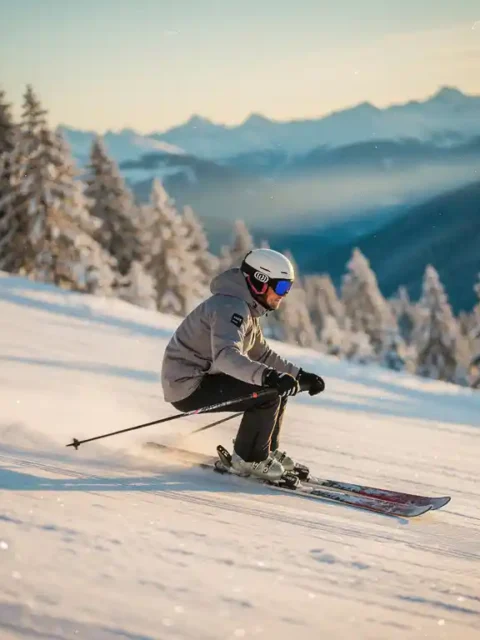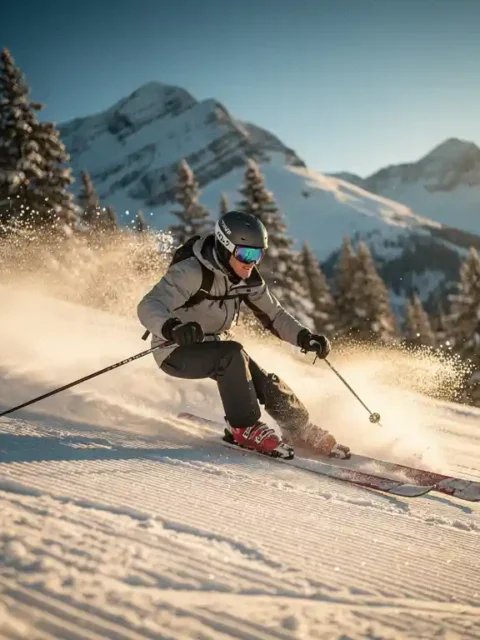

What is the difference between a snowplow turn and a parallel turn?
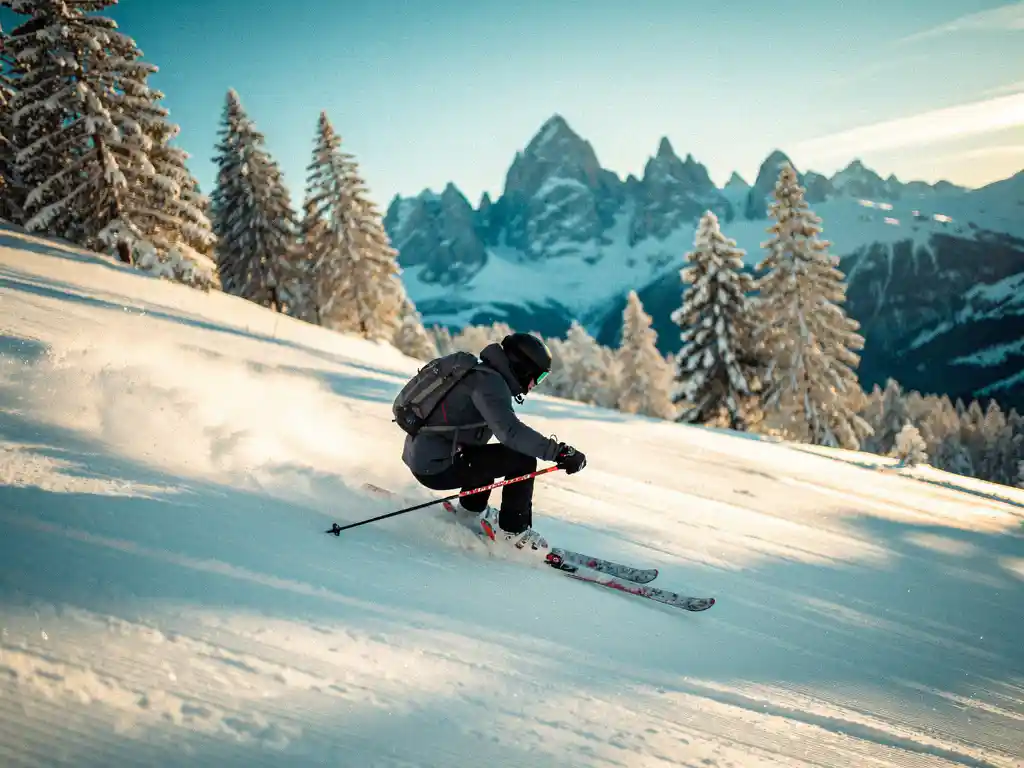
A snowplow turn and a parallel turn are two fundamentally different skiing techniques. In a snowplow turn, your skis are positioned in a V-shape (also known as a wedge or pizza), while in a parallel turn, you keep both skis side by side and tilt them simultaneously. The key differences lie in control, speed, and balance. In this article, we answer the most frequently asked questions about both techniques, so you know exactly what to expect on the slopes.
When do you transition from a snowplow turn to a parallel turn?
You move from a snowplow turn to a parallel turn once you can brake, steer, and stop comfortably and in a controlled manner on blue and easy red runs. That moment varies from person to person, but most beginners are ready after a few days of intensive practice. The transition is not a fixed threshold — it’s a gradual process.
In practice, the parallel turn begins as a kind of half-parallel turn: you initiate the turn from the wedge position, but bring your skis closer together at the end of the turn. The more you repeat this, the smoother the movement becomes. Eventually, you no longer need the wedge position at all and glide fluidly from turn to turn.
A good sign that you’re ready is that you no longer consciously think about braking. Your body senses the speed and adjusts automatically. That’s when it’s time to take the next step.
What does a snowplow turn look like on the slopes?
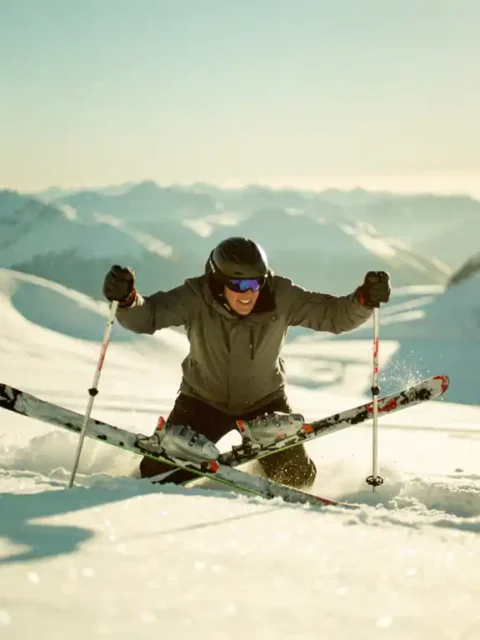
You can immediately recognize a snowplow turn by the V-position of the skis: the tips point toward each other, the tails are spread apart. By varying the pressure on the inner edges of the skis, you steer left or right. The wider the V, the more resistance and the slower you go.
On the slopes, a beginner doing a snowplow turn typically looks like this: stance wide, leaning slightly forward, making careful, wide turns that wind down the slope. The movements are deliberate and controlled — which is exactly the point. The snowplow turn gives you time to think through each step.
The technique is ideal for beginners because it feels intuitive. Want to stop? Press harder on both inner edges and widen the V. Want to go right? Shift your weight onto the left ski. Simple, effective, and safe.
What does a parallel turn look like on the slopes?
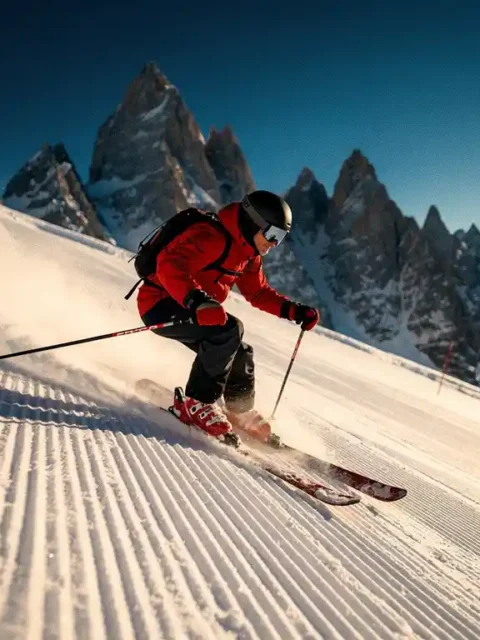
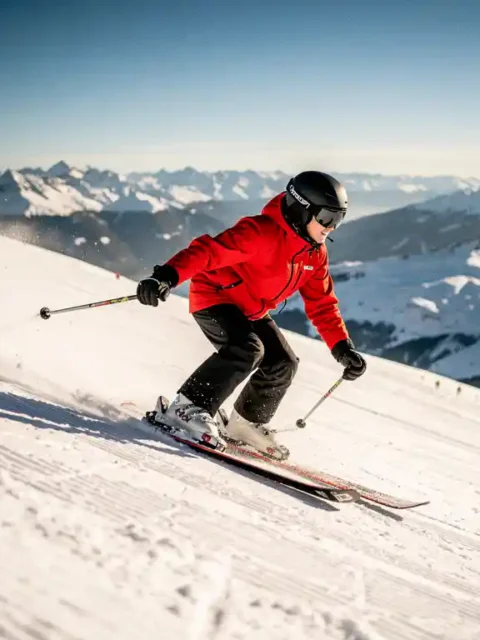
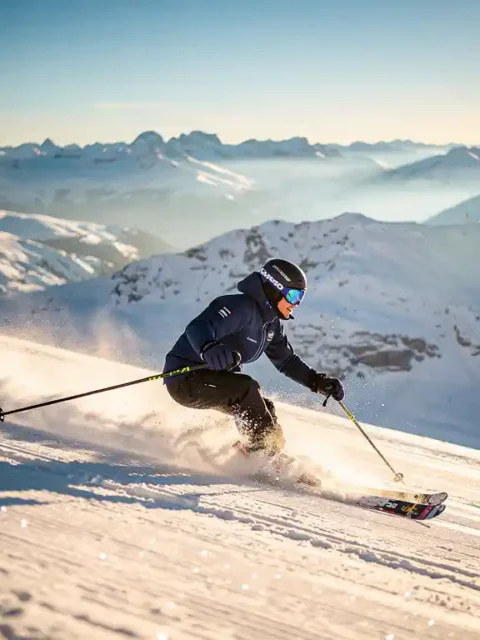
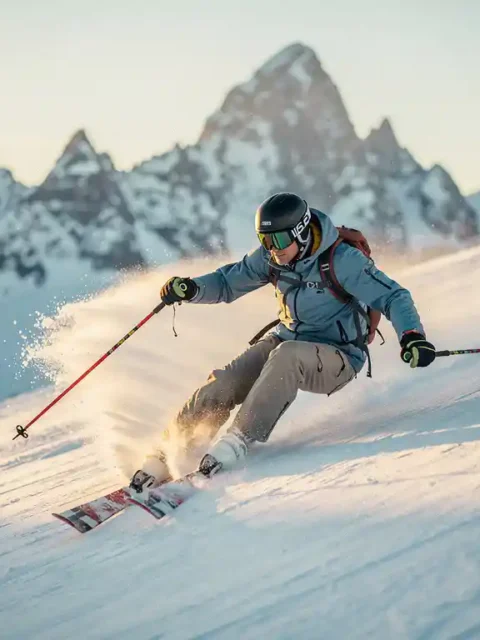
In a parallel turn, both skis are placed side by side and parallel, while you tilt them simultaneously to make a turn. The movement is fluid and rhythmic: you edge from one side to the other, with your knees and hips guiding the turn. It looks elegant and smooth — and that’s exactly how it feels once you’ve mastered it.
On the slopes, you can recognize an advanced skier by their compact, even turns. The skis stay close together, the upper body is calm and facing down the valley, and the turns follow one another in a fluid rhythm. No wedge position is needed, even at higher speeds.
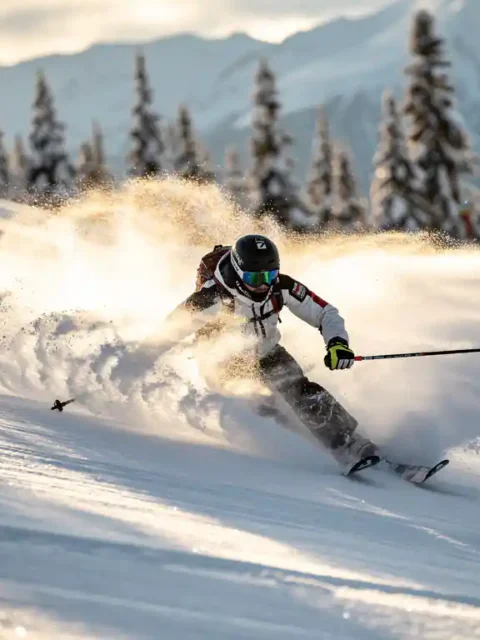
The great advantage of the parallel turn is control at higher speeds and on steeper slopes. Where the snowplow turn reaches its limits on red and black runs, the parallel turn gives you the tools to explore the entire mountain.
What mistakes do beginners make when transitioning to the parallel turn?
The most common mistake when transitioning to the parallel turn is trying to keep the skis parallel too early, before the technical foundation is solid. Other frequent errors include leaning back, not putting enough weight on the outside ski, and letting the upper body rotate into the turn.
- Leaning back: Many beginners are startled by the speed and instinctively lean back. This actually reduces control. Keep your weight slightly forward over your ski boots.
- Too little pressure on the outside ski: In a parallel turn, the outside ski carries most of the weight. Beginners often forget this and distribute their weight evenly, which prevents the turn from initiating properly.
- Rotating the shoulders: Your upper body should remain stable and facing down the valley. If your shoulders rotate with the turn, you lose balance and rhythm.
- Trying to go too fast: The parallel turn feels faster than the snowplow turn. Practice first on quiet, wide slopes before moving on to steeper runs.
- Impatience: The transition takes time. Rushing progress risks building bad habits that are difficult to unlearn later.
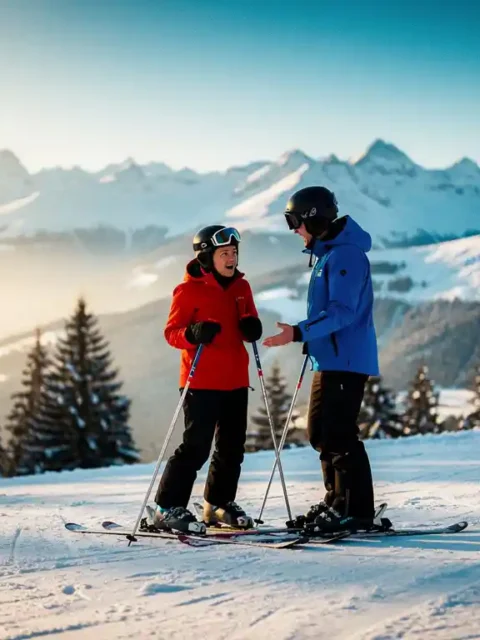
A good instructor spots these mistakes immediately and corrects them before they become ingrained. That’s exactly why ski lessons are so valuable at this stage.
How quickly can you learn the parallel turn with ski lessons?
With professional ski lessons, you can learn the basics of the parallel turn in an average of three to five ski days, depending on your age, fitness level, and how well you’ve mastered the snowplow turn. Children typically learn faster than adults, but with the right guidance, everyone makes quick progress.
Without lessons, it takes considerably longer, and the risk of developing bad habits is much greater. An instructor provides targeted feedback, tailors exercises to your level, and ensures you learn at a safe pace. This saves not only time, but also frustration.
The first day of ski lessons is often focused on the snowplow turn and basic balance. From day two or three onward, once the fundamentals are in place, most instructors introduce the first steps toward parallel turns. By the end of a ski week, many beginners are already able to make basic parallel turns on blue runs — a huge leap in just one week.
Which type of ski lesson is best suited to your level?
As a beginner, you can choose between private lessons and group lessons. Group lessons are ideal if you enjoy learning alongside others, have a set budget, and don’t necessarily need the fastest progress. Private lessons are a better fit if you want to improve quickly, need individual attention, or are skiing with your family or a small group.
Group lessons: learning together on the slopes
In a group lesson, you ski with other beginners of a similar level. You learn from the instructor, but also from watching others. Group lessons are often more affordable and have a fun, social atmosphere. The downside is that the instructor has less time for individual corrections.
Private lessons: maximum focus on your technique
In a private lesson, the instructor is entirely focused on you. You set the pace, the exercises, and the focus areas. For those who want to learn quickly or have specific challenges — such as fear on the slopes or a stubborn technical habit — private lessons are the most efficient choice. They cost more, but the progress is correspondingly faster.
How Ski-Pro helps you find the right ski lessons
Whether you want to practice your snowplow turn or take the leap toward your first parallel turns, the right instructor makes all the difference. We understand that choosing from hundreds of ski schools can be overwhelming, especially if you’re booking for the first time.
That’s why Ski-Pro offers a clear, easy-to-use platform where you can compare and book with ease:
- More than 250 certified ski schools and instructors across the Alps, from Tyrol to the French Alps
- Transparent pricing so you know exactly what you’re booking
- Choice of private and group lessons, tailored to your level and preferences
- Easy booking without any hassle, including for families and groups
- Suitable for all levels, from complete beginner to advanced skier
Ready to make your first parallel turn? Compare and book your ski lessons through Ski-Pro and start your winter sports adventure fully prepared.
Frequently Asked Questions
Can I learn the parallel turn on my own, without ski lessons?
Technically it’s possible, but it’s strongly discouraged. Without targeted feedback from an instructor, you’ll quickly develop bad habits that are much harder to correct later on. A few days of professional guidance will ultimately save you weeks of frustration and unnecessary risks on the slopes.
What type of run is best for practicing the parallel turn?
Always start on a wide, quiet blue run with a gentle slope. This gives you plenty of room to make mistakes without getting into trouble. In the beginning, avoid busy runs or steeper red slopes, even if you’re feeling fairly confident — the parallel turn needs space and calm to become properly ingrained.
What is the difference in safety between a snowplow turn and a parallel turn?
The snowplow turn is safer for beginners because it allows you to brake and stop easily, even at low speeds. The parallel turn offers greater control at higher speeds and on steeper slopes, but requires a solid technical foundation. Switching too early without that foundation puts you at greater risk than someone who patiently continues practicing the snowplow turn.
How do I know which ski school or instructor is the best fit for me through Ski-Pro?
Through the Ski-Pro platform, you can easily filter by location, level, lesson type (private or group), and availability. All instructors are certified and prices are displayed transparently, so there are no surprises when you book. Not sure? Go for a private lesson on day one — you’ll immediately get a personal assessment of your level and a concrete learning plan for the rest of your ski week.