
Is it cheaper to learn skiing in Eastern Europe or the Alps?
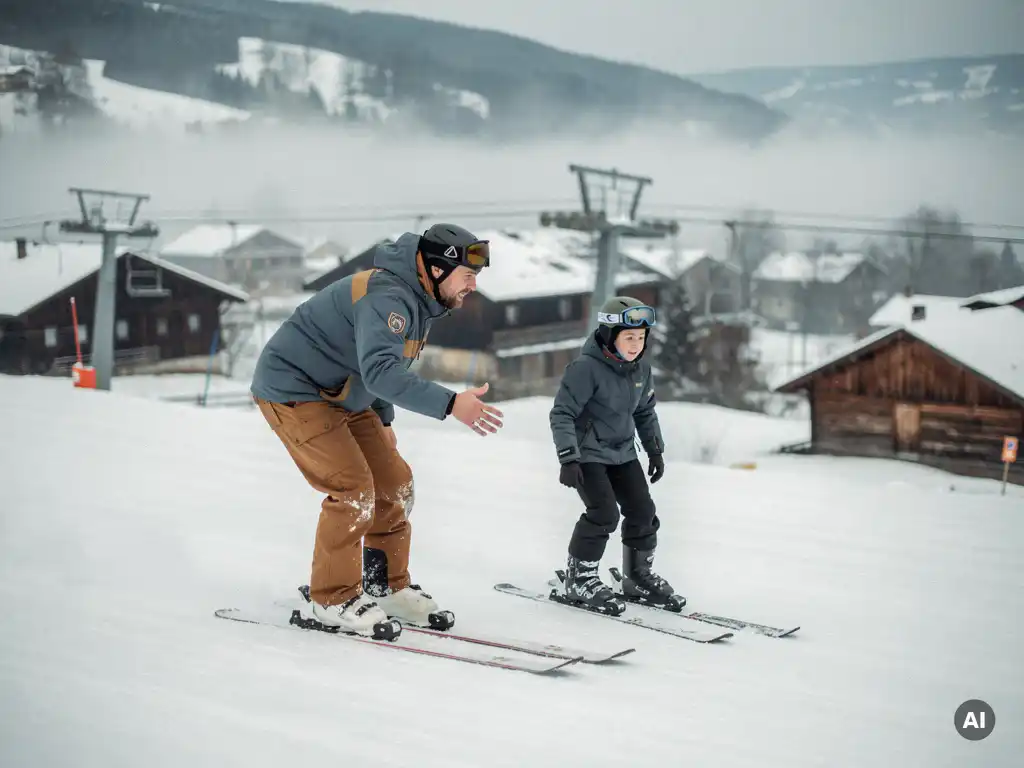
Yes, ski lessons in Eastern Europe are generally cheaper than in the Alps, often significantly so. In destinations like Bulgaria, Romania, and Slovakia, you can expect to pay roughly 30 to 60 percent less for group ski lessons compared to equivalent options in Austria, Switzerland, or France. That said, the lower price tag comes with trade-offs worth understanding before you book. Here is what you need to know about every angle of the comparison.
How much cheaper are ski lessons in Eastern Europe than in the Alps?
Ski lessons in Eastern Europe typically cost between 30 and 60 percent less than comparable lessons in major Alpine resorts. In Bulgarian resorts like Bansko, a full day of group instruction can cost a fraction of what you would pay in Verbier or Zermatt. The savings are driven by lower instructor wages, cheaper resort operating costs, and less international demand.
To put it in perspective, a five-day group beginner course in Bansko or Jasná in Slovakia might run you somewhere in the range of 100 to 180 euros, whereas the same structured course in a top Austrian or Swiss resort could easily reach 300 to 500 euros or more. Private lessons follow a similar pattern, with Eastern European instructors often charging half the hourly rate of their Alpine counterparts.
For budget-conscious beginners, this difference is meaningful. If you are taking lessons for the first time and unsure how far you will progress, paying less to find out whether skiing is for you makes a lot of practical sense.
Which Eastern European ski resorts are best for beginners?
The best Eastern European ski resorts for beginners are Bansko in Bulgaria, Jasná in Slovakia, Poiana Brașov in Romania, and Kopaonik in Serbia. These are among the cheapest ski resorts for beginners in Europe and each offers dedicated beginner slopes, established ski schools, and English-speaking instructors at accessible price points.
- Bansko, Bulgaria: The most internationally recognized Eastern European resort, with a solid ski school infrastructure, gentle nursery slopes, and a lively après scene. Well-suited for first-timers who also want some social atmosphere.
- Jasná, Slovakia: A more serious mountain than many expect, but with excellent beginner areas and well-organized ski schools. A great choice if you want to progress quickly.
- Poiana Brașov, Romania: Compact and manageable, with gentle terrain and very affordable lessons. Ideal for families and those on a tight budget.
- Kopaonik, Serbia: Underrated and uncrowded, with modern lift infrastructure and a relaxed learning environment.
All four destinations offer English-language instruction and have been hosting international visitors for years. The mountain terrain in each is genuinely well-suited to beginners, with wide, groomed runs that do not overwhelm new skiers.
What do you give up by not learning to ski in the Alps?
By choosing Eastern Europe over the Alps for your first ski lessons, you give up altitude, snow reliability, terrain variety, and the overall scale of the mountain experience. Alpine resorts like those in Austria, France, and Switzerland offer higher elevations, longer seasons, more consistent snow conditions, and vastly larger ski areas that become relevant as your skills develop.
For a raw beginner, much of this does not matter immediately. You will spend most of your first few days on gentle, groomed slopes regardless of where you are. But there are a few genuine trade-offs to weigh:
- Snow quality: Eastern European resorts sit at lower altitudes, making them more dependent on snowmaking and more vulnerable to warm spells. The Alps offer more natural snow and longer reliable seasons.
- Instructor culture: Alpine resorts, particularly in Austria and Switzerland, have a deeply embedded ski instruction culture with decades of refined teaching methodology. The experience can feel more polished.
- Mountain scale: Once you progress beyond beginner level, the limited terrain in many Eastern European resorts can feel restrictive. The Alps offer essentially unlimited progression terrain.
- Resort atmosphere: If the full mountain lifestyle (the villages, the food, the scenery) matters to you, the Alps deliver an experience that Eastern Europe does not quite replicate.
Are ski instructor qualifications the same in Eastern Europe and the Alps?
Ski instructor qualifications are not standardized across Europe, so the certifications held by instructors in Eastern Europe differ from those in Alpine countries. In Austria, France, and Switzerland, national instructor qualifications are among the most rigorous and internationally respected in the world. Eastern European countries have their own national certification systems, which vary in depth and international recognition.
This does not mean Eastern European instructors are poor teachers. Many are highly competent, experienced, and genuinely passionate about skiing. However, the structured progression of teaching methodology, particularly for technical refinement, tends to be more developed in the Alpine tradition.
For a complete beginner learning the basics, the practical difference in teaching quality is unlikely to be dramatic. You will learn to snowplow, turn, and stop effectively regardless of where your instructor trained. Where it starts to matter more is at intermediate and advanced levels, where nuanced technical coaching becomes more valuable. If you are a beginner simply looking to get moving on the mountain, Eastern European instructors are more than capable of getting you there.
What are the total holiday costs beyond ski lessons?
When you factor in flights, accommodation, lift passes, equipment rental, food, and transfers, the total cost of a ski holiday in Eastern Europe is still substantially lower than in the Alps, even though the gap narrows once you account for everything. The savings on ski lessons are real, but they are part of a broader picture.
Accommodation and food
Eastern European resort towns generally offer much cheaper accommodation and dining than their Alpine equivalents. A comfortable hotel or chalet in Bansko or Poiana Brașov will cost noticeably less per night than a comparable option in Val d’Isère or St. Anton. Eating and drinking out is also significantly more affordable, which adds up across a week.
Lift passes and equipment rental
Lift passes in Eastern European resorts are considerably cheaper than in the Alps, often by 40 to 60 percent. Equipment rental follows a similar pattern. However, the lift systems themselves are typically smaller and older, meaning less terrain and occasionally longer queues at peak times. If you are a beginner who will stick to a handful of slopes all week, this is not a major issue.
Flights can complicate the comparison. Some Eastern European destinations require connecting flights or longer travel times from Western Europe, which can add cost and inconvenience. Budget airlines do serve airports near Bansko and Jasná, but it is worth calculating the full door-to-door travel cost before assuming Eastern Europe is always the cheaper overall trip.
Should you learn to ski in Eastern Europe and then progress in the Alps?
Yes, learning to ski in Eastern Europe first and then progressing in the Alps is a smart and cost-effective approach for many beginners. You get the fundamentals down at a lower total cost, and then you unlock the full Alpine experience once you have the skills to actually enjoy the bigger, more varied terrain.
This two-stage approach makes particular sense if you are not yet sure how committed you are to skiing as a hobby. Investing a smaller amount in Eastern Europe to discover your enthusiasm before spending more in the Alps is a genuinely logical strategy. By the time you arrive in the Alps with some experience under your boots, you can spend less time in beginner lessons and more time exploring the mountain freely.
That said, if budget is not a primary concern and you want the most inspiring possible introduction to the sport, starting in the Alps has its own merits. The mountains themselves are motivating, and the overall experience can ignite a passion for skiing that keeps you coming back year after year.
How Ski-Pro helps you find the right lessons at the right price
Whether you are eyeing the slopes of Bansko or planning your first run in the Austrian Alps, finding the right instructor at the right price should not be a headache. That is exactly where we come in. At Ski-Pro, we connect you with over 250 ski schools and instructors across Alpine destinations so you can compare options, read reviews, and book with confidence.
- Compare group and private lessons across multiple resorts and price points
- Filter by skill level, language, and lesson type to find your perfect match
- Transparent pricing with no hidden surprises
- Trusted ski schools vetted for quality and instructor qualifications
- Easy online booking so you can sort your lessons before you even pack your bags
Ready to hit the snow? Browse ski lessons and schools on Ski-Pro and find the perfect instruction for your level, destination, and budget. Your best ski holiday starts with the right teacher.