
How much money should a beginner budget for their first European ski trip?
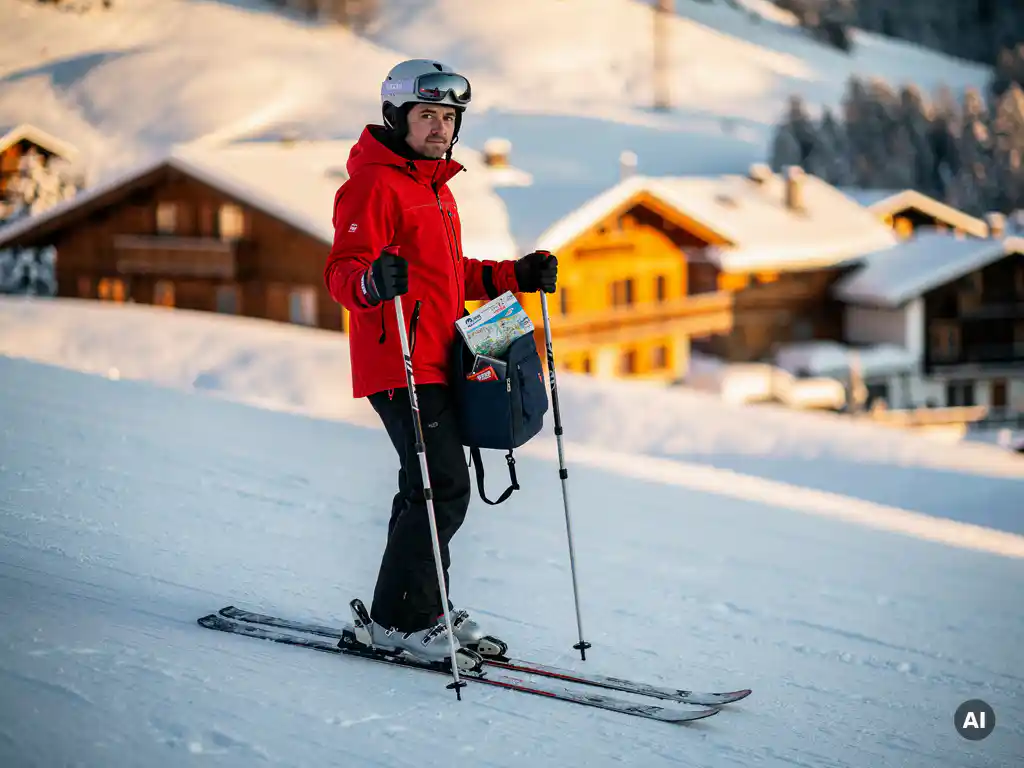
A beginner’s first European ski trip typically costs between €800 and €2,000 per person for a week, depending on your destination, accommodation choice, and how much gear you need to rent. Budget-friendly resorts in Austria or the Dolomites can come in at the lower end, while Switzerland or France’s top resorts push costs higher. The breakdown below covers every major expense so you can plan with confidence and zero nasty surprises.
What are the biggest costs on a beginner’s first ski trip?
The four biggest costs on a beginner’s first European ski trip are accommodation, ski lessons, lift passes, and equipment rental. Together, these four categories typically account for around 80 to 90 percent of your total holiday budget. For a week-long trip, accommodation usually takes the largest share, followed closely by lessons and lift passes, with rental gear adding a meaningful but manageable extra layer on top.
Here is a rough breakdown of what to expect per person for a week:
- Accommodation: €300 to €900 depending on resort and room type
- Ski lessons: €150 to €400 for a beginner group course
- Lift pass: €150 to €350 for a six-day pass
- Equipment rental: €100 to €200 for skis, boots, and poles
- Food and drinks: €150 to €400 depending on how much you eat on the mountain
- Travel: €50 to €300 depending on origin and transport mode
As a beginner, lessons are a non-negotiable investment. Not only do they fast-track your progress, but they also significantly reduce the risk of injury, which can turn a dream holiday into an expensive medical situation. Skimping on lessons is one of the most common mistakes first-timers make when trying to cut the average ski trip cost per person in Europe.
How much do ski lessons cost for a beginner in Europe?
Beginner ski lessons in Europe typically cost between €150 and €400 for a six-day group course. Private lessons are significantly more expensive, ranging from €60 to €150 per hour depending on the resort and instructor. Group lessons offer excellent value for first-timers and are the most popular format among beginners making their first trip to the Alps.
Group lessons usually run for two to three hours per day over five or six days, giving you a structured progression from your very first snowplough to linking turns with confidence. Most ski schools group participants by ability, so you will never feel out of your depth or held back by others in your class.
The price of lessons varies by destination. Austrian ski schools, particularly in resorts like Schladming or Saalbach, tend to be more competitively priced than those in Switzerland or the French Trois Vallées. If you book in advance and compare options across multiple schools, you can often find the same quality of instruction at meaningfully lower prices. Booking early also helps you lock in a spot, since beginner group lessons fill up fast during peak weeks like Christmas and February half-term.
How much should you budget for ski equipment rental?
Budget €100 to €200 per person for a week of ski equipment rental, which typically includes skis, boots, and poles. Helmet rental adds roughly €20 to €40 on top of that. As a beginner, renting is almost always the smarter choice than buying, since your technique and preferences will evolve quickly in your first few seasons.
Rental prices vary depending on the quality tier you choose. Most rental shops offer three tiers: basic, performance, and premium. For a first trip, the basic or mid-range tier is perfectly adequate. You will not notice the difference between a beginner-level rental ski and a high-end carving ski when you are still learning to stop.
One practical tip: book your rental online before you arrive at the resort. Pre-booking through the ski school or a rental aggregator typically saves 20 to 30 percent compared to walking into a shop on the first morning. It also saves you time, which is precious when you are eager to get on the snow.
Which European ski destinations are most affordable for beginners?
The most affordable European ski destinations for beginners are generally found in Austria, the Italian Dolomites, and Germany. Resorts like Schladming, Zell am See, and Saalbach in Austria offer excellent beginner terrain, strong ski school infrastructure, and lower overall costs compared to Switzerland or the French mega-resorts.
Austria
Austria consistently ranks as one of the best-value Alpine countries for skiers. Lift passes are competitively priced, accommodation ranges from budget guesthouses to comfortable hotels, and the ski school tradition is deeply rooted, meaning you get high-quality instruction without the premium price tag of Verbier or Courchevel. The après-ski culture is lively but does not require a big budget to enjoy.
Italian Dolomites
Resorts like Kronplatz and the Dolomiti Superski area offer spectacular scenery, excellent beginner slopes, and food costs that are noticeably lower than their French or Swiss counterparts. Italy also tends to have more affordable accommodation options, especially if you stay in smaller villages a short drive from the main resort centre.
Germany (for Dutch and nearby travellers)
For travellers from the Netherlands or northern Europe, resorts like Winterberg and Willingen in Germany offer a low-cost introduction to skiing without the need for flights or long transfers. These are ideal for a first weekend on snow before committing to a full Alpine week.
What hidden costs do first-time skiers often overlook?
First-time skiers frequently underestimate mountain food and drinks, ski clothing, travel insurance, and resort transfers. These costs are rarely included in package prices but can add €200 to €500 to your total holiday spend if you are not prepared for them.
- Mountain restaurants: Lunch on the slopes can cost €15 to €30 per person. Packing a sandwich for a few days saves a surprising amount.
- Ski clothing: If you do not own a ski jacket, salopettes, gloves, and thermal layers, buying them new can cost €200 to €500. Renting or borrowing what you can, or shopping in sales, makes a real difference.
- Travel insurance: Non-negotiable for skiing. A standard travel policy often does not cover ski activities or mountain rescue. A specialist winter sports policy costs around €30 to €70 for a week but can save you thousands if something goes wrong.
- Resort transfers: Airport transfers to Alpine resorts can cost €40 to €100 per person each way if booked last minute. Shared shuttle services booked in advance are far cheaper.
- Après-ski and drinks: A beer at a mountain bar can cost €5 to €8. A few rounds add up fast, especially in Swiss or French resorts.
- Locker hire: Small daily cost at the base of the slopes, but easy to forget when budgeting.
How can a beginner reduce the cost of their first ski trip?
Beginners can significantly reduce the average ski trip cost per person in Europe by travelling in shoulder season, booking early, choosing affordable destinations, and comparing ski school prices before committing. Small decisions across each cost category compound into meaningful savings without sacrificing the quality of your experience.
Here are the most effective strategies:
- Travel outside peak weeks: Early January, late January, and early March offer the same snow conditions at significantly lower prices than Christmas, New Year, or February half-term.
- Book lessons and rentals online in advance: Pre-booking almost always unlocks a discount compared to walk-in prices.
- Choose Austria or the Dolomites over Switzerland: The quality of instruction is comparable, but the price difference can be substantial.
- Pack your own snacks and lunches: Even doing this two or three days out of six saves a meaningful amount.
- Buy ski clothing in off-season sales: End-of-season sales in March and April offer discounts of 40 to 70 percent on ski gear.
- Travel with a group: Shared accommodation, car hire, and even group lesson pricing all become more economical with more people.
- Compare ski schools: Prices for the same lesson format can vary significantly between schools in the same resort.
How Ski-Pro helps you plan your first ski trip on a budget
Finding the right ski lesson at the right price is one of the biggest levers you have on your total holiday spend, and that is exactly where we come in. At Ski-Pro, we have built a platform that makes comparing and booking ski lessons across 250+ ski schools and instructors in the Alps genuinely easy, even if it is your very first time on snow.
Here is what we offer beginners specifically:
- Side-by-side comparison of group and private lesson prices across multiple schools in your chosen resort
- Transparent pricing with no hidden booking fees
- Filters for skill level, language, lesson type, and budget so you find the right fit fast
- Access to schools in beginner-friendly destinations across Austria, Italy, France, and beyond
- A straightforward booking process that takes minutes, not hours
Whether you are heading to the slopes for the very first time or helping a friend plan their debut Alpine adventure, compare ski lessons on Ski-Pro and make sure every euro of your budget goes toward an experience you will remember for all the right reasons.