
How do you choose snowboard boots for lessons?
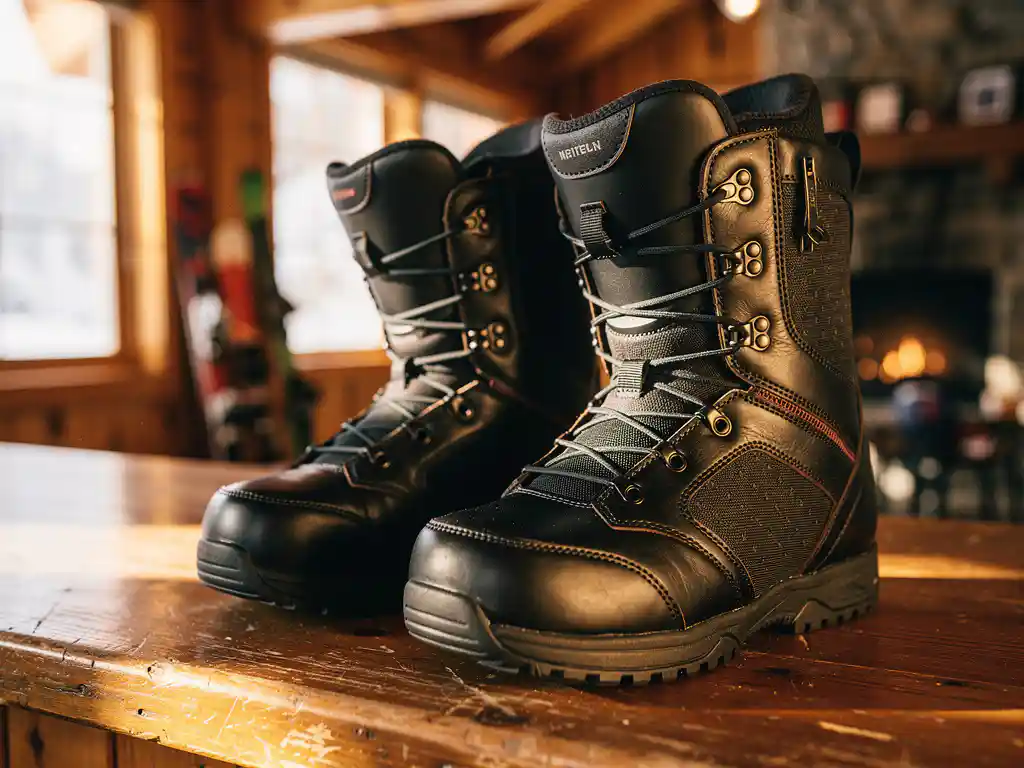
Choosing the right snowboard boots is crucial for a comfortable and safe snowboard lesson. The perfect boot provides support, comfort and control while learning new techniques. You need to consider the fit, flexibility and type of boot that suits your level and riding style. This guide answers the most important questions about choosing snowboard boots for optimal performance during lessons.
What are the main differences between snowboard boots and ski boots?
Snowboard boots are more flexible and comfortable than ski boots, with a soft inner liner and a binding system that mounts sideways on the board. Ski boots are harder and stiffer, with a forward-leaning posture (forward lean) and bindings that attach at the toe and heel.
The fundamental difference lies in freedom of movement. Snowboard boots offer more lateral flexibility, because snowboarding requires sideways movements. The boots have a more relaxed fit that ensures long-lasting comfort during your snowboard lesson. Ski boots, on the other hand, are designed for forward power transfer and precision.
The attachment mechanism also differs significantly. Snowboard boots click into bindings that sit sideways on the board, while ski boots attach to bindings that run parallel to the skis. These differences directly influence how you learn to balance and turn during lessons.
How do you know what size snowboard boots you need?
Measure your feet at the end of the day, when they are at their thickest, and choose snowboard boots that are half a size larger than your normal shoe size. This provides room for thick snowboard socks and prevents painful pressure points during long lesson days on the slopes.
Go to a specialized store where you can try on different brands. Each brand has its own fit, and what fits perfectly with one brand may be too tight or too loose with another brand. Make sure your toes lightly touch the front of the boot when you stand upright.
Wear thick snowboard socks when trying on. Thin socks give a false impression of the fit. Your foot should not slide in the boot, but there must be enough room to move your toes. A boot that’s too tight causes cold feet and reduces your performance during snowboard lessons.
What features are most important when choosing snowboard boots for beginners?
Beginners should choose soft to medium flexibility, good cushioning and ease of use when putting on and taking off. These features make learning basic techniques easier and provide more comfort during long lesson days in the snow.
Soft boots (flex rating 1-4) forgive mistakes and make it easier to find balance. They are less tiring for your legs and give more confidence during your first turns. Traditional lacing systems or BOA systems make putting them on easier than more complex systems.
Good insulation and water resistance keep your feet warm and dry. This is essential, because cold, wet feet distract from learning and reduce your concentration. A comfortable inner liner that shapes well around your foot prevents blisters and hot spots during intensive lessons.
Why is it important to try on snowboard boots before booking lessons through Ski-Pro?
Trying on snowboard boots beforehand ensures that you perform optimally during your lessons and prevents painful interruptions due to poorly fitting equipment. Through the network of Ski-Pro with 350 ski schools, you get access to professional guidance when choosing the right equipment.
Our certified instructors can advise you on which boots best suit your level and learning goals. Many of our partner schools also offer a rental service, so you can try different brands and models before making a purchase.
By choosing the right boots beforehand, you maximize your valuable time on the slopes. Ski-Pro not only helps you find the best snowboard lessons, but also provides advice on equipment that supports your learning process. Our transparent comparison platform makes it easy to find ski schools that offer both quality education and equipment advice.
What is the difference between soft and hard snowboard boots?
Soft boots (flex 1-6) offer comfort and forgive mistakes, ideal for beginners and freestyle snowboarding. Hard boots (flex 7-10) provide more precision and power transfer, suitable for advanced riders and alpine snowboarding. Most recreational snowboarders choose soft boots.
Soft boots have a flexible outer shell and a soft inner liner, resulting in more comfort during long days on the slopes. They make it easier to learn new techniques, because they react less aggressively to small movements. This is perfect for your first snowboard lessons.
Hard boots are more like ski boots and offer direct response to every movement. They are heavier and less comfortable, but give experienced riders more control at high speeds and steep slopes. For most snowboard lessons and recreational snowboarding, soft boots are the best choice because of their versatility and comfort.
The right snowboard boots make the difference between a frustrating and a fantastic learning experience on the slopes. By investing in well-fitting, comfortable boots that suit your level, you lay the foundation for years of snowboarding enjoyment. Don’t forget that good equipment goes hand in hand with quality education from experienced instructors who help you perfect your techniques.
Frequently Asked Questions
How long do snowboard boots last and when should I buy new ones?
Quality snowboard boots last an average of 3-5 seasons with regular use. Replace your boots if the inner liner is compressed, the sole becomes worn, or if your feet hurt despite a good fit. Professional snowboarders often replace their boots annually for optimal performance.
Can I use my snowboard boots for other winter sports?
Snowboard boots are specifically designed for snowboarding and are not suitable for skiing due to the different binding system. You can use them for winter hiking in the snow, but they offer less grip than special winter boots. For optimal performance, use snowboard boots only for snowboarding.
What should I do if my snowboard boots turn out to be too big or too small during my first lesson?
Stop snowboarding immediately if your boots cause pain or are too loose. Go back to the rental shop for a different size - most rental services exchange for free on the same day. Boots that are too small can cause frostbite, while boots that are too big affect control and safety.
How do I maintain my snowboard boots for a longer lifespan?
Let your boots dry completely after each day by removing the inner liners and placing them in a warm, dry place. Avoid direct heat sources like radiators. Clean the outside with a damp cloth and treat leather parts with special care products. Store them in a dry space.