
How do you deal with cold during long snowboarding lessons?
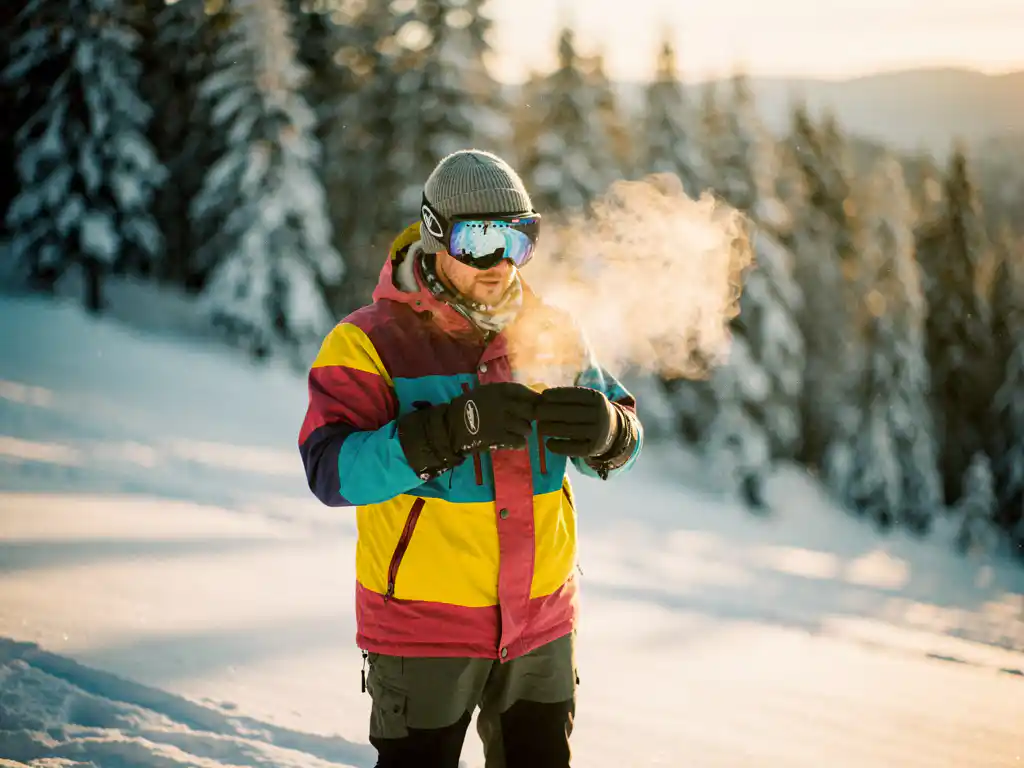
Dealing with cold during extended snowboard lessons requires proper preparation, clothing, and techniques. Staying warm starts with the layering system, where you wear multiple layers of clothing that you can adjust as needed. Additionally, active warm-up exercises and recognizing signs of hypothermia help you stay safe and comfortable while snowboarding, even in freezing temperatures in the Alps.
Why is it important to be well-prepared for cold during snowboard lessons?
Good preparation for cold during a snowboard lesson is crucial because low temperatures directly affect your performance, safety, and learning process. Hypothermia reduces your concentration and reaction time, making you more likely to fall and sustain injuries.
When your body becomes too cold, your blood vessels constrict and your muscles become stiff. This limits your range of motion and makes it harder to learn new snowboard techniques. Your balance and coordination decrease, which is especially problematic during your first snowboard lessons, when you’re still developing your basic skills.
Cold also affects your mental focus. If you’re constantly busy shivering and warming up, you can’t fully concentrate on your snowboard instructor’s instructions. This slows down your learning process and can cause frustration, especially during intensive snowboard sessions lasting several hours.
What clothing keeps you warmest during extended snowboard sessions?
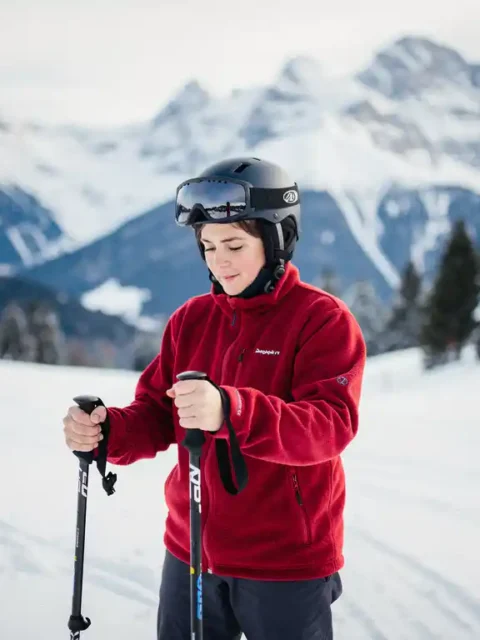
The layering system is the most effective way to stay warm during long snowboard lessons. This consists of a moisture-wicking base layer, an insulating middle layer, and a waterproof outer layer that protects you from wind and snow.
For the base layer, preferably choose merino wool or synthetic materials that wick moisture away from your skin. Avoid cotton because it retains moisture and cools your body. The middle layer, such as a fleece sweater or down vest, traps warm air around your body.
Your outer layer must be completely waterproof and breathable. Look for snowboard jackets and pants with a high waterproof rating and ventilation openings that you can open when you get warm during intensive snowboarding.
Don’t forget your extremities: wear warm snowboard gloves with liner gloves, merino wool socks (not thick socks that pinch), and a warm hat or helmet with ear warmers. You lose a lot of body heat through your head and hands.
How do you choose the right snowboard equipment for cold conditions?
The right snowboard equipment for cold conditions starts with well-insulated snowboard boots that keep your feet warm and dry. Choose boots with a temperature rating suitable for the temperatures you’ll be snowboarding in.
Snowboard bindings must continue to function properly in freezing temperatures. Regularly check that the mechanisms aren’t stuck due to ice or snow. Keep your bindings clean and lubricate moving parts if necessary.
For your snowboard itself, maintenance in low temperatures is extra important. Use wax suitable for cold conditions, as this makes your board glide better on hard, icy snow. A well-waxed board reduces resistance and ensures you need to use less energy.
Consider accessories like warmers for your gloves and boots, thermal insoles, and a neck warmer. These small additions can make a big difference during long snowboard lessons in harsh conditions.
What techniques help keep your body warm while snowboarding?
Active warm-up exercises and conscious breathing techniques are essential for maintaining your body heat while snowboarding. Start each snowboard lesson with five to ten minutes of warming up your muscles and joints.
Do arm circles, leg swings, and light squats before stepping on your board. This stimulates your circulation and prepares your muscles for the cold. While snowboarding, you can regularly swing your arms and move your fingers in your gloves to maintain circulation.
Take active breaks where you don’t stand still but continue making light movements. Jump up and down, do stretches, or walk around to keep your body warm. Avoid long periods of standing still in the cold mountain air.
Use breathing techniques to regulate your core temperature. Deep, calm breathing helps your body relax and can reduce your feeling of cold. Mentally, you can help yourself by staying positive and focusing on the joy of snowboarding instead of the cold.
Why Ski-Pro is the best choice for snowboard lessons in cold alpine areas?
Ski-Pro compares more than 350 certified snowboard schools throughout the Alpine region, with special focus on instructors who have experience teaching in cold weather conditions. We understand that not every snowboard instructor is equally well-prepared for extreme cold.
Our platform helps you find snowboard lessons that take weather forecasts and comfort into account. You can choose instructors who are familiar with local conditions and know how to adapt lessons to low temperatures.
Through Ski-Pro, you can easily compare which snowboard schools have the best facilities for warming up between lessons, such as heated lodges and flexible lesson schedules. We only work with reliable partners who prioritize the safety and comfort of their students.
As powder-spotting, first-track-hunting snow lovers, we know how important it is to find the right match between your needs and your snowboard instructor’s expertise, especially when conditions are challenging.
What do you do if you still get too cold during a snowboard lesson?
Recognize the signs of hypothermia and take immediate action when you notice you’re getting too cold. Early signs are uncontrollable shivering, stiff fingers and toes, and reduced coordination while snowboarding.
Stop snowboarding immediately when you experience these symptoms and go to a warm space, such as a mountain hut or lodge. Remove wet clothing and replace it with dry layers. Drink warm, non-alcoholic beverages to gradually raise your core temperature.
Always communicate openly with your snowboard instructor about how you feel. Professional instructors recognize the signs of hypothermia and can adjust or pause the lesson when necessary. Don’t be ashamed to indicate that you’re cold.
Use warming techniques such as rubbing your hands and feet, but avoid direct contact with hot objects that can cause burns. Move your body gradually to stimulate circulation. In case of severe hypothermia, you must seek medical help immediately.
Good preparation and the right equipment make the difference between a great snowboard experience and a cold, uncomfortable day on the slopes. With the right clothing, techniques, and an experienced instructor, you can enjoy your snowboard lessons regardless of the temperature. Don’t forget that learning to snowboard in cold conditions also has its advantages: the snow is often better and the slopes are less crowded!
Frequently Asked Questions
How far in advance should I start acclimatizing to cold temperatures?
Ideally start 1-2 weeks before your snowboard vacation with short exposure to cold, such as cold showers or outdoor activities. This helps your body adapt to lower temperatures and improves your natural heat regulation during snowboard lessons.
What's the best way to prepare my snowboard equipment for extreme cold?
Test all your equipment at home in low temperatures to check if zippers and bindings function properly. Wax your board with cold-wax and check if your boots fit well with thick socks. Make sure you have spare gloves and socks with you for emergencies.
How often should I take breaks during a long snowboard lesson in the cold?
Plan a warming break of 10-15 minutes every 45-60 minutes, depending on temperature and wind chill. Watch for signals from your body like stiff fingers or reduced coordination - these are signs you need to take a break sooner.
What food and drinks help me stay warmest while snowboarding?
Eat regular small, energy-rich snacks like nuts, energy bars, or warm soup to keep your metabolism going. Drink warm tea or hot chocolate, but avoid alcohol and too much caffeine as these can disrupt your natural heat regulation.