
Which snowboard lesson methods work best?
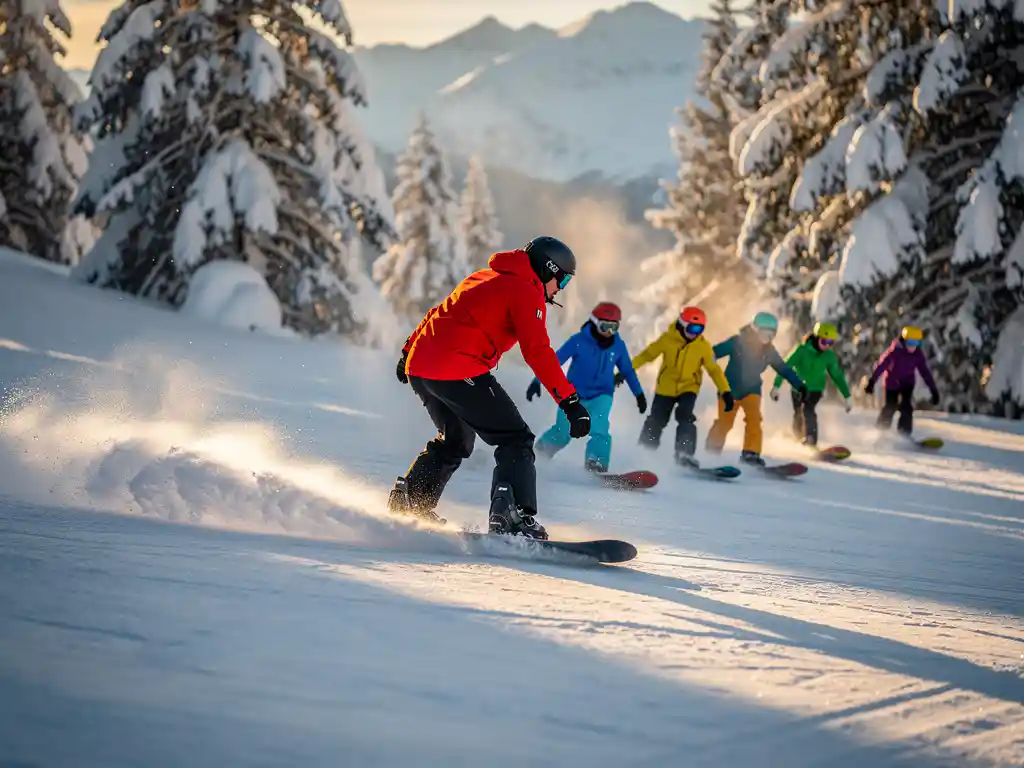
The best snowboard lesson methods combine safety, progressive techniques and personal guidance. Popular methods like the Burton method and the CASI system focus on different aspects of the learning process. For beginners, a combination of group lessons for basic techniques and private lessons for personal feedback works best. The choice depends on your learning style, budget and the available time on the slopes.
What are the different snowboard lesson methods that instructors use?
There are various recognized snowboard teaching methods that each use their own approach. The Burton method emphasizes natural movements and fun, while the CASI system (Canadian Association of Snowboard Instructors) offers more structure with clear progression steps.
European ski schools often use the Swiss SBINZ system or the French ESF method. These methods focus on technical perfection and safety. The Burton approach works well for children and recreational snowboarders, as you learn through play. The CASI system is more suitable for adults who want to learn systematically.
Modern instructors often combine elements from different methods. They adapt their approach based on the student, weather conditions and slope conditions. This creates a personalized learning experience that gets the best out of each method.
Which snowboard lesson method works best for absolute beginners?
For absolute beginners, a progressive method with focus on safety works best. This starts with getting used to the equipment on flat ground, followed by simple gliding movements and learning to fall and get up.
The most effective beginner methods always start with balance exercises without bindings. You learn how the board reacts and how to shift your weight. Then follow the first meters on a very gentle slope with only one foot attached.
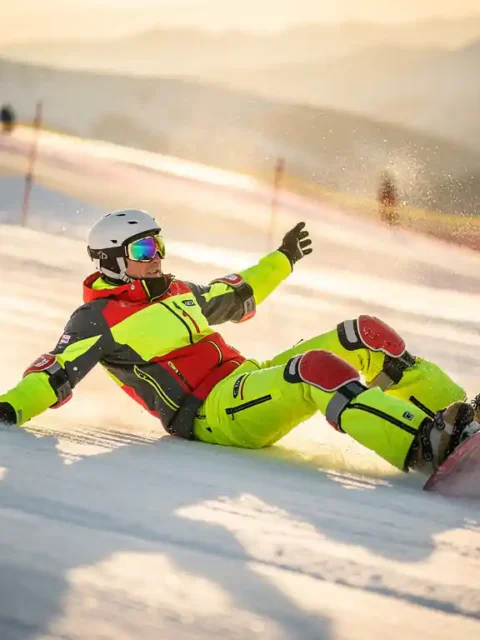
Safety principles are crucial in this phase. You learn how to fall safely (forward on your knees, backward on your bottom), how to get up without hindering others and how to stop in a controlled manner. These basic techniques prevent injuries and build confidence for further progression.
How does group lessons differ from private lessons when learning to snowboard?
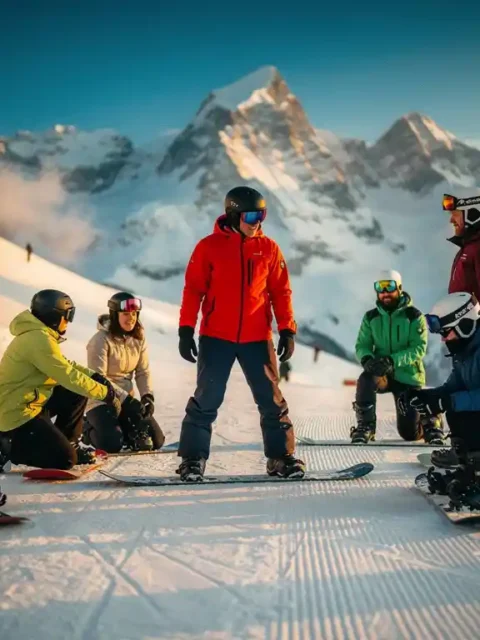
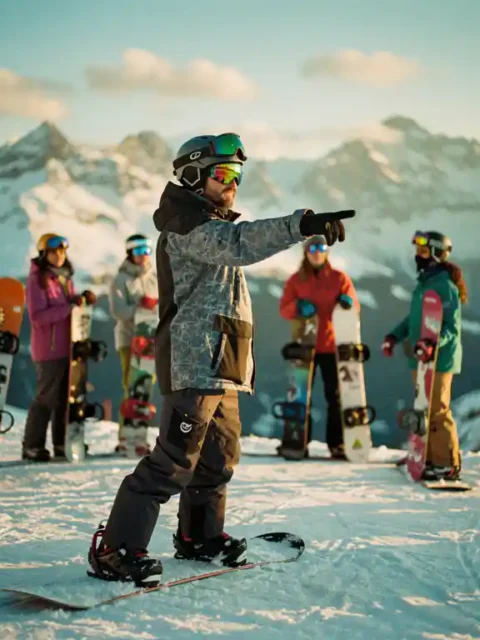
Group lessons are more cost-effective and social, while private lessons offer more personal attention and faster progression. In group lessons you learn from other beginners and a fun atmosphere is created. Private lessons are more intensive and adapt completely to your pace.
Group lessons usually cost between 40 and 60 euros per person for half a day. You share the instructor with 6 to 8 other students of the same level. This works well if you’re not in a hurry and enjoy social interaction. The disadvantage is that the instructor is not always immediately available for individual feedback.
Private lessons cost 80 to 150 euros per hour, but you get 100% attention from the instructor. You learn faster because all time is spent on your specific challenges. This is ideal if you want to learn quickly, need to overcome specific fears or have limited time on vacation.
Why Ski-Pro is the best place to compare snowboard lessons?
Ski-Pro compares more than 350 ski schools in the Alps and makes choosing the right snowboard lesson simple. You see prices, lesson methods, group sizes and availability in one overview. All affiliated schools are certified and offer qualified instructors.
Our platform saves you hours of searching, because you can directly compare what each ski school offers. You filter by location, level, lesson type (group or private) and budget. Transparent prices and clear descriptions help you find the perfect match for your snowboard adventure.
We only work together with reliable ski schools that meet international safety standards. The booking process is safe and fast, with direct confirmation of your reservation. Whether you’re a complete beginner or want to refine your techniques, with us you’ll find the right instructor that fits your learning style and goals.
Which snowboard techniques should you learn first?
The fundamental snowboard techniques start with balance and weight distribution, followed by falling safely and getting up. Then you learn straight-line riding (gliding straight) and make your first turns through weight shifting.
Step one is always finding balance on the board. You practice this on flat ground by rocking back and forth and shifting your weight. Step two is learning to fall without hurting yourself. Forward you fall on your knees and hands, backward on your bottom with your arms forward.
Getting up seems simple, but requires the right technique. Turn onto your stomach, get on hands and knees and push yourself up. For your first turns you use your toes (toeside) and heels (heelside) to tilt the board. This edge control is the foundation for all further snowboard techniques.
How long does it take to learn snowboarding with different methods?
With intensive private lessons you usually master the basic techniques within 2 to 3 days. Group lessons require 4 to 6 days for the same level. Your own physical condition, sense of balance and fear of falling significantly influence the learning time.
The Burton method and other playful approaches may seem slower at first, but build strong foundations. Therefore you often make more progress in the long term. Technical methods like CASI give faster visible results, but require more discipline and practice.
Realistic expectations are important for your motivation. After one day of lessons you can usually glide straight and stop. After three days you make your first turns. After a week of regular lessons you snowboard independently on blue slopes. Don’t forget that learning to snowboard is a process and that everyone has their own pace.
Choosing the right lesson method and instructor largely determines your snowboard success. Combine different techniques, respect your own learning pace and especially enjoy the process. With the right guidance you’ll soon become part of our tribe of powder-loving, piste-conquering snowboard enthusiasts who live for that perfect run through fresh snow.
Frequently Asked Questions
What should I do if I'm still having trouble making turns after a few lessons?
This is completely normal! Focus first on your edge control by practicing with simple weight shifts on a gentle slope. Ask your instructor for extra attention on your foot position and knee posture. Often it helps to make slower, wider turns before trying faster turns.
How do I choose between a Burton-certified instructor and a CASI instructor?
Burton instructors focus more on fun and natural movements, ideal if you want to learn in a relaxed way. CASI instructors use a more structured, technical approach that works well if you want to learn systematically. When booking, ask about your instructor's background and explain what your learning style is.
Can I practice independently right after my first snowboard lessons?
After 3-4 lessons you can usually practice safely on blue slopes, but stay within your comfort zone. Always start on familiar, quiet slopes and avoid busy times. Take a few more lessons if you're unsure - safety always comes before fast progression.
What are the most common mistakes beginners make when learning to snowboard?
The biggest mistakes are standing too stiff (relax your knees), looking at the board instead of ahead, and wanting to go too fast. Many beginners also forget to properly secure their back foot or try steep slopes too early. Focus on the basics and gradually build your confidence.