

How do you store your snowboard after lessons?
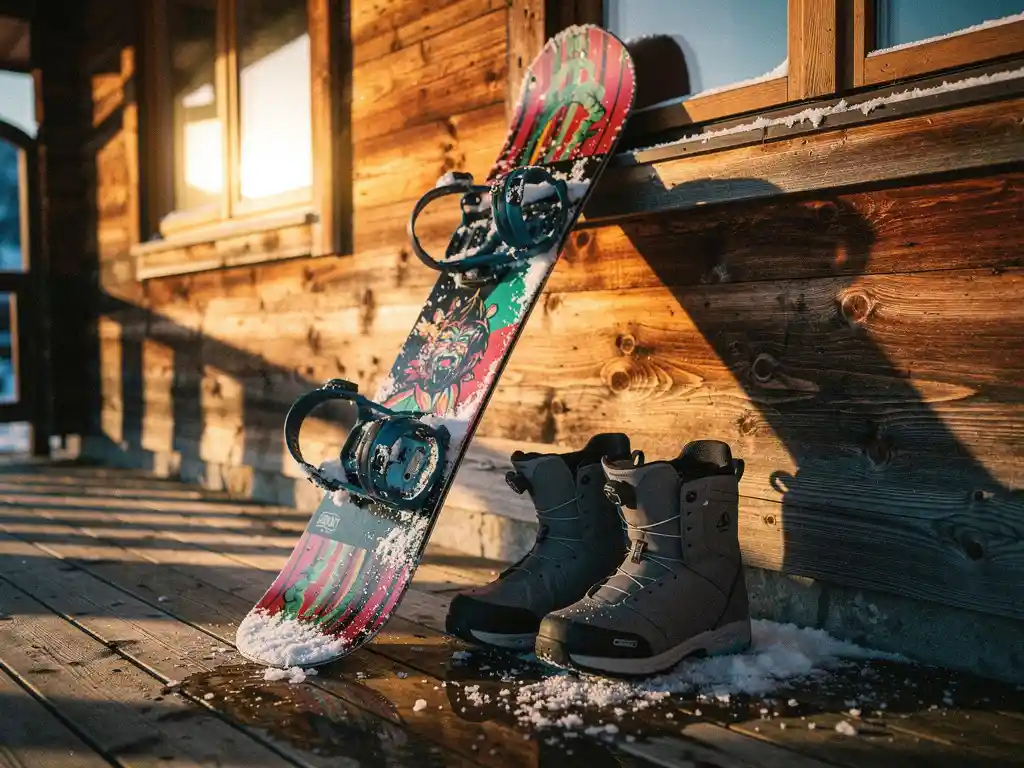
Properly storing your snowboard after your snowboard lesson is essential for the lifespan and performance of your board. Good maintenance prevents damage from moisture, rust formation on the steel edges, and damage to the base. By systematically cleaning, drying, and storing your snowboard, you maintain the quality and safety for your next adventure on the slopes.
Why is it important to store your snowboard properly after lessons?
Poor maintenance of your snowboard can drastically shorten its lifespan and negatively affect your performance on the slopes. Moisture is the biggest enemy of your snowboard, as it causes rust on the metal edges and can damage the base. When your snowboard isn’t properly dried after use, moisture can remain between the bindings and the board, which can lead to delamination and structural damage.
The consequences of neglect are clearly visible: rusty edges glide poorly and provide less control during carving. A damaged base results in less speed and unpredictable behavior under different snow conditions. Additionally, a poorly maintained snowboard can pose a safety risk, especially during your snowboard lesson, when you’re learning new techniques and complete control is essential.
Salt deposits from artificial snow and dirt from the slopes can permanently penetrate the base if not removed promptly. This causes dry spots that can permanently affect your board’s gliding properties.
How do you properly clean your snowboard after a day on the slopes?
Start by removing all visible snow and ice from your snowboard with a soft brush or cloth. Use lukewarm water to rinse away salt, dirt, and artificial snow residue. Avoid hot water, as this can damage the base and wash away the wax that protects your board.
Clean all components systematically:
- Rinse the base thoroughly with lukewarm water.
- Use a soft brush to work away stubborn dirt along the edges.
- Dry the metal edges immediately to prevent rust formation.
- Clean the bindings with a damp cloth and check for damage.
Don’t forget to thoroughly dry your snowboard boots. Remove the inner lining if possible and let both parts dry separately. Wet boots can develop mold and bacteria, which is not only unhygienic but also damages the material.
After cleaning, it’s important to let all components dry completely before storing your snowboard. A half-dry snowboard can develop rust within days.
What is the best way to dry and store your snowboard?
Let your snowboard dry completely for at least 24 hours at room temperature before storing it. Place the board vertically against a wall or use a special snowboard rack to ensure optimal airflow around all surfaces. Avoid direct heat sources, such as radiators, as they can damage the material.
The ideal storage conditions are:
- Temperature between 59 and 68°F
- Relative humidity of 40 to 60%
- A dry, well-ventilated space
- Out of direct sunlight
For long-term storage, vertical storage is preferred over horizontal storage. Vertical storage prevents the board from sagging under its own weight and keeps the camber intact. If you must store the board horizontally, support both ends and the middle.
Loosen the bindings slightly during storage to reduce tension on the screw holes. This significantly extends the lifespan of both the bindings and the board.
How do you maintain the edges and base of your snowboard between seasons?
Always wax your snowboard before storing it for extended periods. A thick layer of storage wax protects the base against drying out and oxidation. Use special storage wax, which remains active longer than regular riding wax. Leave this wax on until you use the board again.
The edges require a different approach:
- Clean the edges thoroughly and dry them completely.
- Apply a thin layer of oil to the metal edges to prevent rust.
- Check for damage, such as dents or sharp protrusions.
- Have professional maintenance performed if the edges have become dull.
Professional maintenance is needed when your edges feel clearly dull, the base has deep scratches, or when you notice your board reacts differently than usual. A good rule of thumb is to have your snowboard professionally inspected each season, especially if you regularly take snowboard lessons and use it intensively.
Store spare parts, such as screws and small repair kits, with your snowboard, so you can quickly fix small problems without missing your next session.
Why Ski-Pro is the best choice for snowboard lessons and maintenance tips?
Ski-Pro’s network of more than 350 certified ski schools offers not only excellent snowboard lesson opportunities, but also valuable expertise about snowboard maintenance. Our instructors know exactly how different snow conditions and riding styles affect your equipment and can provide personalized advice about your specific setup.
When you book snowboard lessons through our platform, you get access to:
- Practical maintenance tips from experienced instructors during your lessons
- Advice on equipment care, tailored to your riding style and level
- Recommendations for local maintenance services at more than 350 ski schools
- Tips for different alpine snow conditions and their impact on your board
We understand that powder-spotters and first-track hunters like you want to get the maximum out of their equipment. That’s why we not only connect you with the best instructors, but also with the knowledge you need to keep your snowboard in top condition season after season.
By booking your snowboard lesson through Ski-Pro, you invest in a complete experience that goes beyond just learning new techniques. You get the expertise that helps you continue enjoying your passion for snowboarding for years to come, with well-maintained equipment.
Frequently Asked Questions
How long should I wait to store my snowboard if it's still damp after cleaning?
Wait at least 24 hours before storing your snowboard, even if it seems dry. Moisture can hide in small corners around the bindings and between the layers of the board. Place your board vertically in a well-ventilated area and check that all metal components feel completely dry before putting it away.
Can I use regular wax instead of special storage wax for long-term storage?
No, always use special storage wax for long-term storage. Regular riding wax is designed to disappear after a few days of use, while storage wax provides protection against drying out and oxidation for months. Storage wax contains other additives that better protect the base during inactivity.
What should I do if I discover rust spots on my snowboard's edges?
Light rust spots can be carefully worked away with fine sandpaper (400-600 grit) and then treated with a thin layer of oil. For serious rust, professional maintenance is needed to re-grind the edges. Prevent further rust formation by always properly drying and oiling the edges after use.
Is it bad if I have to store my snowboard horizontally for a few days?
Short horizontal storage (several days to weeks) is no problem, but do support both ends and the middle of the board. For long-term storage, vertical storage is preferred because this maintains the natural camber and prevents sagging. Alternate between horizontal and vertical if you have limited storage space.