
Are snowboard goggles mandatory during lessons?
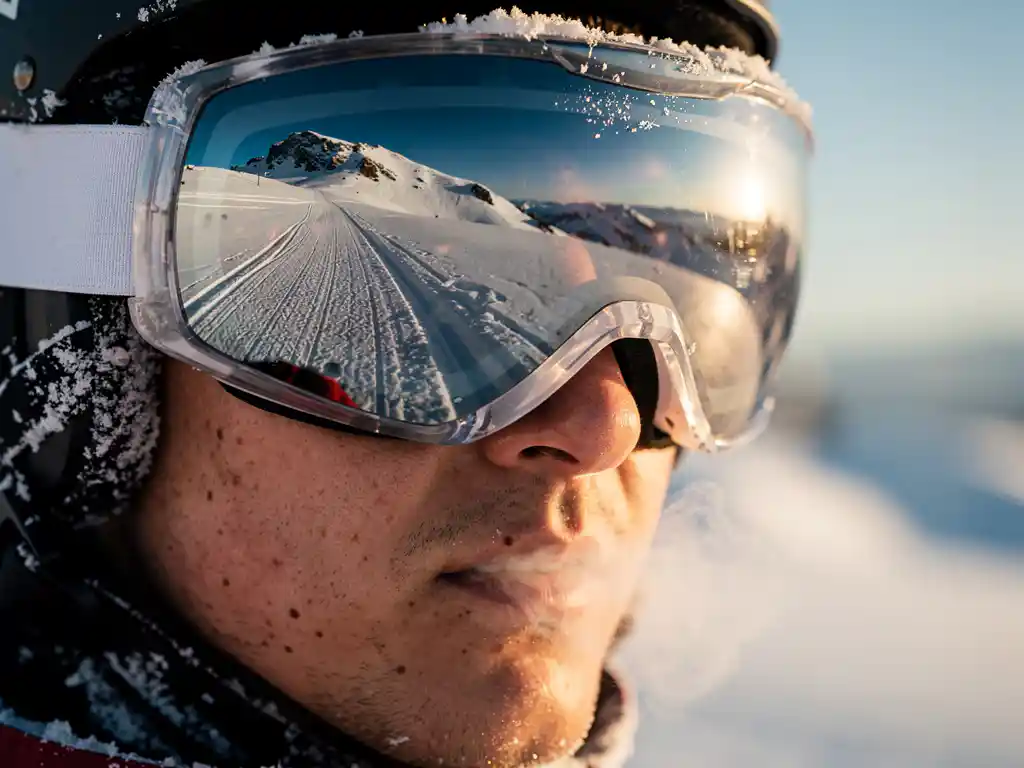
Snowboard goggles are not legally required during lessons in most Alpine regions, but nearly all ski schools strongly recommend them for your safety and comfort. Professional instructors consider eye protection essential for a successful snowboard lesson. Without proper goggles, you risk snow blindness, UV damage, and reduced performance on the slopes.
Are snowboard goggles legally required during lessons?
There are no specific laws in Austria, Switzerland, France, or Italy that mandate snowboard goggles during lessons. Most Alpine countries do maintain general safety regulations for winter sports areas, but leave the choice of eye protection to individual ski schools and instructors.
However, ski schools often enforce their own safety standards. Many reputable ski schools refuse to teach students without adequate eye protection, especially in sunny conditions or fresh snow. This policy protects both the student and the ski school against liability risks.
German ski areas like Winterberg and Willingen follow similar guidelines. While not legally required, professional instructors often make eye protection a condition for participation in group lessons or private lessons.
Why do all professional instructors recommend snowboard goggles?
Professional instructors recommend snowboard goggles for crucial safety and performance benefits. UV protection prevents serious eye damage from intense high-altitude sun exposure, which can be amplified by snow reflection to up to 80% of sunlight.
Wind and snow protection ensure clear vision during your snowboard lesson. Without goggles, you constantly squint, which negatively affects your balance and technique. Professional instructors know that students with good eye protection learn faster and have more fun.
Modern snowboard goggles also improve contrast and depth perception. This helps beginners better see bumps, icy patches, and other skiers. For instructors, this means safer lessons and better learning outcomes for their students.
What happens if you ski or snowboard without snowboard goggles?
Without snowboard goggles, you risk snow blindness, a painful condition where your cornea is damaged by UV radiation. Symptoms include burning eyes, tearing, light sensitivity, and temporary vision loss that can last several days.
Your performance on the slopes deteriorates significantly without eye protection. Constantly squinting disrupts your balance and coordination. Wind and snow in your eyes cause blurred vision, making you notice obstacles and other winter sports enthusiasts too late.
Prolonged exposure to UV radiation without protection can cause permanent eye damage, including cataracts and retinal damage. At high altitudes in the Alps, this radiation is particularly intense, even on cloudy days.
What types of snowboard goggles are best for beginners?
For beginners, all-weather goggles with interchangeable lenses are the best choice. These offer flexibility for different weather conditions during your snowboard lesson. Yellow or orange lenses work excellently in cloudy weather, while dark lenses are perfect for sunny days.
Anti-fog coating is essential for beginners who often stop and start during lessons. Look for goggles with good ventilation and double lenses to prevent condensation. A comfortable fit without pressure points helps you stay focused on learning.
Budget-friendly options with UV400 protection provide adequate safety for beginning snowboarders. Avoid overly cheap goggles without certification, as they may offer insufficient protection against the intense Alpine sun.
How do you choose the right snowboard goggles through Ski-Pro ski schools?
Through Ski-Pro’s network of certified ski schools, you get expert advice on the best snowboard goggles for your level and local conditions. Our instructors know the specific challenges of each ski area and can make targeted recommendations.
Ski-Pro’s partner ski schools often offer rental services for high-quality snowboard goggles, so you can try different brands and styles before investing. This is especially useful for beginners who are still discovering which fit and lens type works best.
When you book a snowboard lesson through our platform, you can directly ask questions about equipment requirements. Our ski schools provide transparent information about which eye protection they recommend and why. This way, you start your winter sports adventure well-prepared and can optimally enjoy your time on the slopes.
Frequently Asked Questions
Can I use regular sunglasses instead of special snowboard goggles?
Regular sunglasses provide insufficient protection for snowboarding. They lack wind and snow protection, often don't have anti-fog coating, and offer less UV protection than specialized snowboard goggles. Additionally, they can easily break during a fall and cause injuries.
What should I do if my snowboard goggles fog up during the lesson?
Never wipe your goggles with gloves or clothing, this damages the anti-fog coating. Gently shake out the goggles, let them cool down outside your jacket for a moment, and ensure better ventilation. If the problem persists, ask your instructor for advice on proper fit or ventilation settings.
Are expensive snowboard goggles really better than cheap alternatives?
More expensive goggles usually offer better anti-fog coatings, more comfortable fit, and more durable materials. For beginners, however, budget-friendly options with UV400 protection and basic ventilation are often sufficient. Only invest in premium goggles if you plan to snowboard regularly.
How do I know if snowboard goggles fit well with my helmet?
A well-fitting combination shows no skin gaps between helmet and goggles. The goggles should fit comfortably without pressure on your nose or cheeks. Always test the combination in the store and ask your Ski-Pro instructor for advice on compatibility between your helmet and goggle choice.