
What are the rules on the slopes during snowboard lessons?
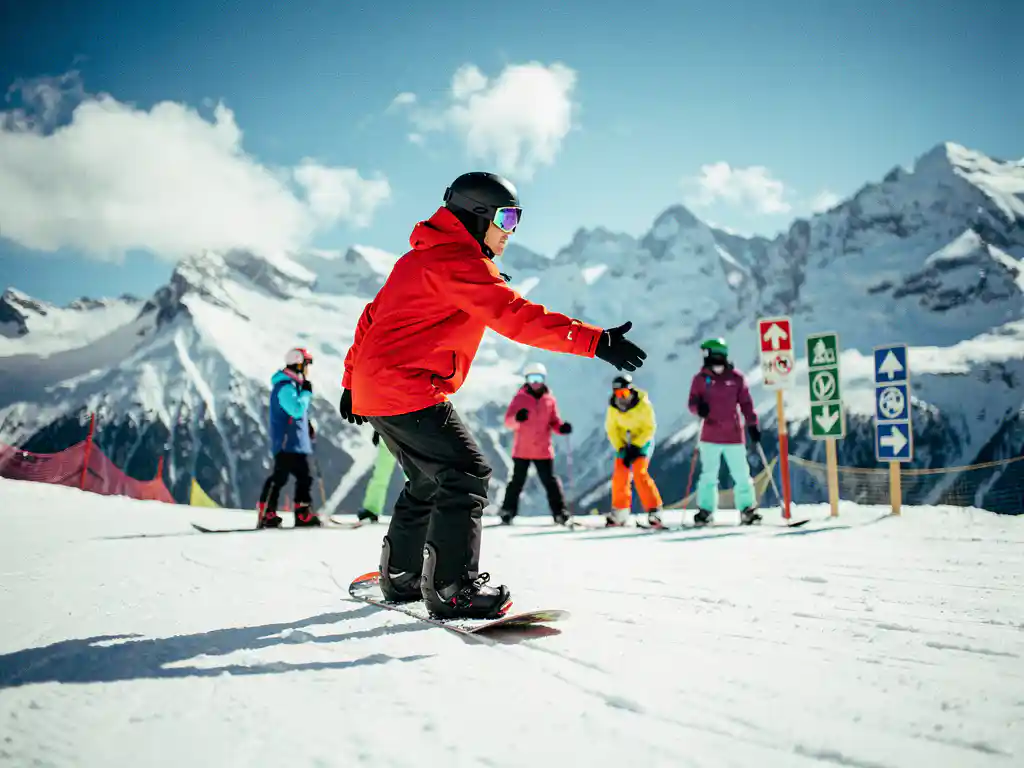
The slope rules during a snowboard lesson are essential for your safety and that of others. These rules include fundamental safety guidelines, such as giving right of way to skiers and snowboarders below you, adjusting your speed to the conditions, and always maintaining control of your board. As a beginning snowboarder, you learn not only the technique but also the important slope etiquette that ensures a safe and enjoyable experience for everyone on the mountain.
What are the most important safety rules on the slopes during snowboard lessons?
The fundamental safety rules during your snowboard lesson begin with the golden rule: skiers and snowboarders below you always have right of way. You may only overtake if you have sufficient space and don’t put the person in front of you in danger. Additionally, you must always adjust your speed to your skill level, the weather conditions, and the crowding on the slope.
During structured snowboard lessons, your instructor places extra emphasis on maintaining control. This means you must always be able to stop or change direction when necessary. You also learn to check your blind spot before changing direction, just like when driving a car.
Another crucial rule is respecting the slope markings. Closed slopes are forbidden terrain, and as a beginning snowboarder, you stay on slopes that are marked for your level. Your instructor helps you recognize the different colors and their meanings.
What behavioral rules should you know as a beginning snowboarder?
As a beginning snowboarder, you learn that slope etiquette is just as important as technical skills. In lift lines, you wait patiently for your turn and help with orderly boarding. Respect other winter sports enthusiasts by not stopping in the middle of the slope, especially not on narrow sections or just after turns where others can’t see you.
When you fall, which happens regularly as a beginner, you get up as quickly as possible and move to the side of the slope. Never let go of your snowboard, as a loose board can be dangerous for others. If you need to rest, do so at the side of the slope, never in the middle.
Communication is essential. Call out “left” or “right” when overtaking someone, so they know where you are. Be friendly to other winter sports enthusiasts and help each other when possible. These social aspects make snowboarding the amazing community sport that it is.
How do you ensure safety during group snowboard lessons?
During group snowboard lessons, discipline and attention are crucial for everyone’s safety. Always listen carefully to your instructor’s directions and ask questions if something is unclear. Stay with the group and never go your own way stubbornly, even if you think you can handle it alone.
Keep sufficient distance from your fellow students, especially during exercises. A good rule of thumb is to maintain at least three meters distance, so you have room to fall without hitting others. Communicate with your group members about your intentions and warn if you’re about to fall.
Respect the group’s pace. Don’t go faster than the instructor indicates, even if you feel confident. The instructor knows everyone’s skills and adjusts the pace accordingly. By remaining patient and working together, you create a safe learning environment for everyone.
Why Ski-Pro is the best place to find safe snowboard lessons?
Ski-Pro works exclusively with certified ski schools that have safety as their highest priority. All instructors in our network of more than 250 ski schools in the Alps are fully qualified and trained in the latest safety techniques and teaching methods.
Through our platform, you can easily compare different ski schools based on their safety certification, experience, and reviews. We ensure that every ski school meets the highest standards for equipment, instruction quality, and emergency procedures. This gives you as a winter sports enthusiast the assurance that you’re learning from true professionals.
The booking process is transparent and secure, where you have direct contact with the ski school about specific safety questions or special needs. Whether you’re a complete beginner or want to improve your skills, we help you find the perfect, safe snowboard lesson that fits your level and learning style.
What happens if you don’t follow the slope rules during your snowboard lesson?
Violating slope rules during your snowboard lesson has direct consequences that can range from a warning to complete exclusion from further lessons. Your instructor will first warn you and explain why certain behavior is dangerous. With repeated violations, you can be removed from the lesson.
Serious violations, such as ignoring closed slopes or reckless behavior that endangers others, can lead to intervention by slope safety. This can result in having your lift pass revoked for that day or even for the entire season, depending on the severity of the violation.
Instructors are strict about safety rules because they are responsible for their students and other slope users. They have the authority to stop lessons if safety is at stake. This may seem strict, but it protects everyone and ensures you develop the right habits that will help you throughout your entire snowboarding career.
Following slope rules during your snowboard lesson is the foundation for a safe and enjoyable experience on the mountain. These rules protect not only you but also all other winter sports enthusiasts who enjoy the same beautiful slopes. By learning the right safety habits from the beginning, you build a solid foundation for years of amazing snowboard adventures in the Alps.
Frequently Asked Questions
How do you recognize the different slope colors and what do they mean for beginners?
Green slopes are the easiest and perfect for beginners, blue slopes are for intermediate skiers, red for experienced skiers, and black for experts. As a beginning snowboarder, you stay on green slopes until your instructor indicates you’re ready for blue. Also watch for yellow markings that indicate unprepared routes – these are absolutely forbidden for beginners.
What should you do if you see an accident happen during your snowboard lesson?
Stop immediately and make sure you’re standing safely. Alert your instructor directly and help block off the slope so other skiers can see the injured person. Never provide first aid yourself unless you’re qualified to do so – leave this to the slope safety team that your instructor will contact.
How often should you have your snowboard and bindings checked during a lesson week?
Have your equipment checked daily by the rental shop, especially the bindings and sharp edges of your board. For a lesson week of 5-6 days, an interim check after 2-3 days is wise. Your instructor can also signal if something is wrong with your equipment and will advise you to have it checked.
Are you allowed to go on the slopes alone as a beginner between lessons?
This depends on your skill level and your ski school’s rules. Most schools advise against going alone as an absolute beginner, but after a few lessons you can usually practice independently on green slopes. Always discuss this first with your instructor and stay within the limits of what you’ve learned during lessons.