
How do group dynamics work in snowboard lessons?
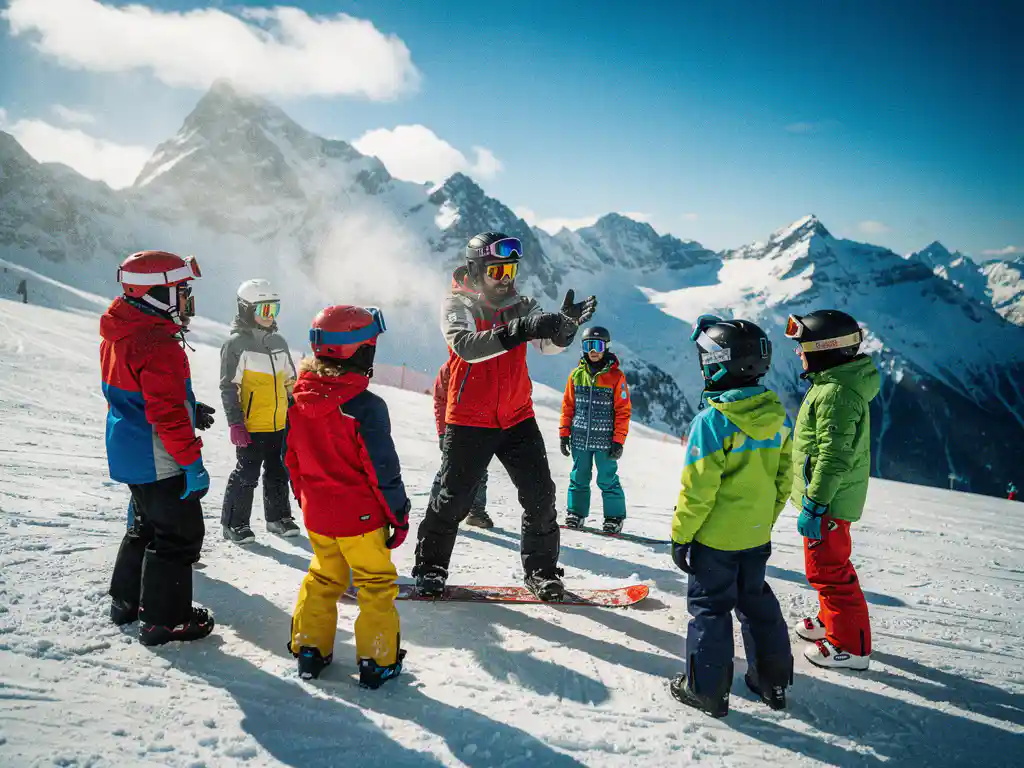
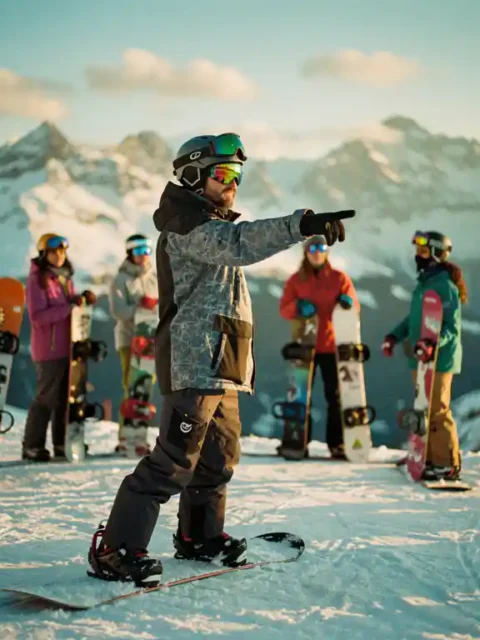
Group dynamics in snowboard lessons strongly influence how quickly you make progress and how much fun you have on the slopes. A positive group atmosphere stimulates learning, builds confidence, and makes lessons more effective. The composition of your group, the instructor, and the interpersonal chemistry determine whether your snowboard lesson becomes an amazing experience.
What is group dynamics and why does it play such an important role in snowboard lessons?
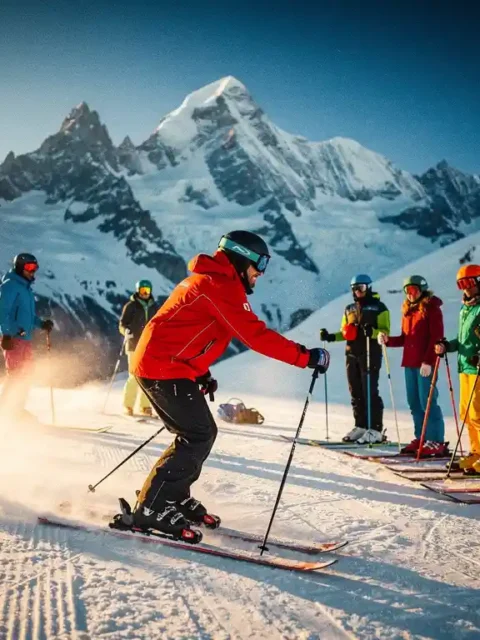
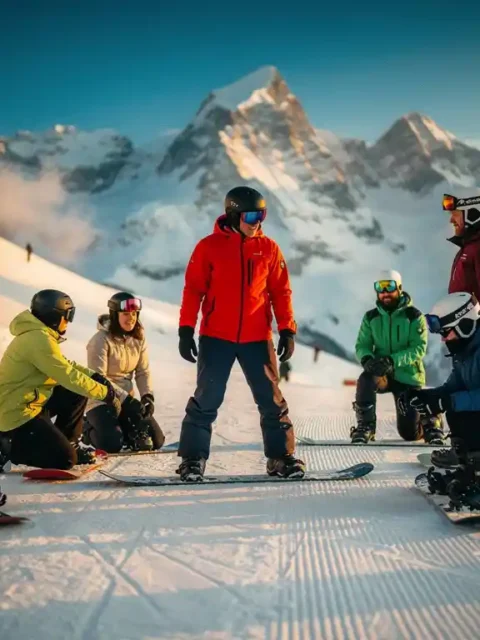
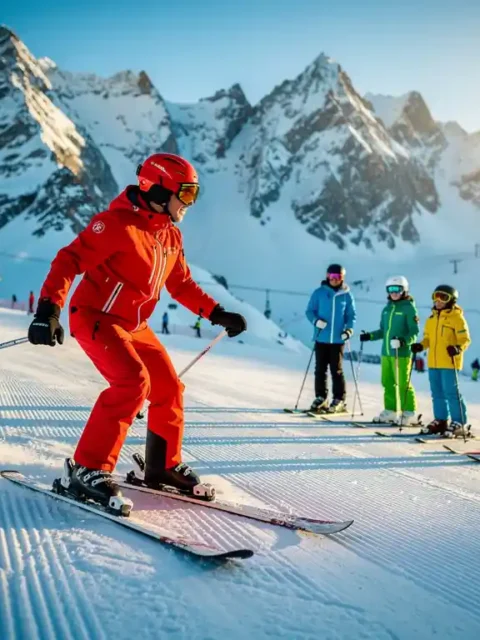
Group dynamics encompasses all social processes and interactions between participants in a snowboard lesson. It’s about how group members interact with each other, motivate one another, and learn together. In snowboard lessons, this is crucial because learning to snowboard is both physically and mentally challenging.
Positive group dynamics ensure that everyone feels safe to make mistakes and try new techniques. When group members encourage each other instead of judging, a learning environment emerges where you make faster progress. This is especially important in snowboarding, where falling and getting back up is literally part of the learning process.
The social aspects of group lessons also make learning more fun and less intimidating. You see that others have the same challenges, which is normal and motivating. Additionally, group members can learn from each other by observing different techniques and approaches.
How does group size influence the learning experience during snowboard lessons?
The optimal group size for snowboard lessons is between 4 and 8 participants. Smaller groups offer more individual attention from the instructor, while larger groups provide more social dynamics and cost advantages. The ideal size depends on your level and learning goals.
Small groups of 3-5 people give you more personal feedback and time to ask questions. The instructor can more quickly identify your specific challenges and provide tailored tips. This works especially well for beginners who need lots of guidance, or advanced riders who want to work on specific techniques.
Larger groups of 6-8 people create more energy and social interaction. You can learn from the different styles and experiences of other participants. Often, healthy competition develops that motivates you to practice harder. The downside is that you receive less individual attention from the instructor.
Which factors determine positive group dynamics in snowboard lessons?
The skill level of participants is the most important factor for good group dynamics. Groups with similar levels learn more effectively because everyone has the same challenges and progresses at the same pace. Large skill differences can cause frustration and boredom.
Age also plays a role in group atmosphere. While mixed age groups can work, people often feel more comfortable with peers their own age. Teenagers, for example, have different learning styles and social needs than adults.
Personality and motivation determine how well group members work together. Enthusiastic and positive people stimulate the entire group, while negative attitudes can spoil the atmosphere. It also helps if everyone has similar goals, such as having fun or making rapid progress.
The instructor plays a crucial role in creating positive group dynamics by setting clear expectations, involving everyone, and resolving conflicts before they escalate.
How do instructors deal with different personalities within a snowboard group?
Experienced snowboard instructors quickly recognize different personality types and adapt their approach accordingly. They use strategies to leverage everyone’s strengths and prevent potential conflicts. This requires flexibility and good social skills from the instructor.
For shy participants, instructors create a safe environment by first addressing them individually and gradually involving them in group activities. They provide extra encouragement and ensure these individuals aren’t overshadowed by more extroverted group members.
Overly enthusiastic or dominant participants are tactically used as positive role models, but the instructor ensures they don’t intimidate others. Sometimes they receive extra challenges to channel their energy without disrupting group dynamics.
When conflicts arise between participants, the instructor quickly intervenes by refocusing attention on learning and emphasizing positive aspects. Experienced instructors can usually prevent tension by cleverly composing groups and communicating proactively.
Why is Ski-Pro the best place to compare and book snowboard group lessons?
Ski-Pro compares more than 350 ski schools in the Alps and helps you find the perfect group lesson that matches your level and personality. Our platform clearly shows group sizes, age groups, and lesson formats, so you can choose a group where you feel comfortable.
We only partner with certified and renowned ski schools known for their positive group dynamics and experienced instructors. This means you’re assured of quality lessons with instructors who know how to manage different personalities.
Through our platform, you can easily compare prices, lesson types, and availability. You can immediately see which schools offer smaller groups if you want more personal attention, or larger groups if you enjoy social interaction. You can also read about the teaching style and approach of different schools.
The booking process is fast, transparent, and secure. We help both beginners and advanced snowboarders find the right group lesson in their favorite Alpine region. Our expertise ensures you end up in a group where the dynamics work and you can optimally learn and enjoy your snowboarding experience.
Frequently Asked Questions
What should I do if I don't feel comfortable in my snowboard group?
Discuss this first with your instructor - they can often adjust group dynamics by varying activities or changing the group composition. If this doesn't help, you can ask the ski school to switch to another group that better matches your level or personality.
How can I as a beginner best deal with advanced snowboarders in my group?
Focus on your own progress and ask questions to the advanced participants - most are happy to help and share tips. Use their presence as motivation to learn, but don't pressure yourself to reach their level. A good instructor ensures everyone can learn at their own pace.
What questions should I ask before booking a group lesson to find the right match?
Ask about average group size, age composition, and how levels are divided. Also inquire about the instructors' teaching style and whether there are opportunities to switch groups if the dynamics don't work. At Ski-Pro, you can find this information in advance for each ski school.
Can poor group dynamics negatively affect my snowboarding technique?
Yes, absolutely. Stress, insecurity, or social pressure can slow your learning process and undermine your confidence. This can lead to tense movements and more falls. That's why it's important to choose a group where you feel comfortable and where a positive, supportive atmosphere prevails.