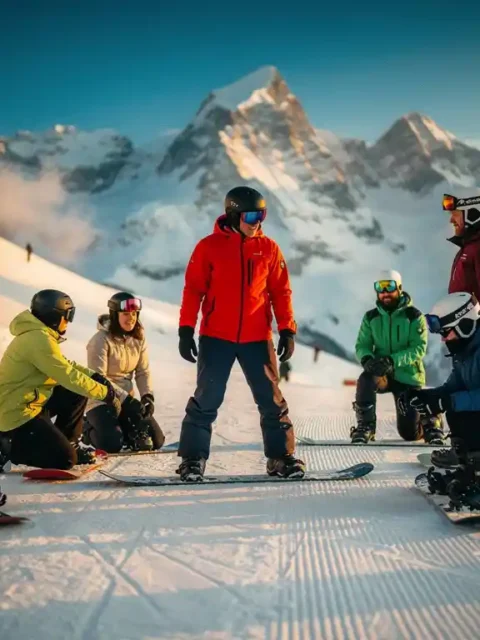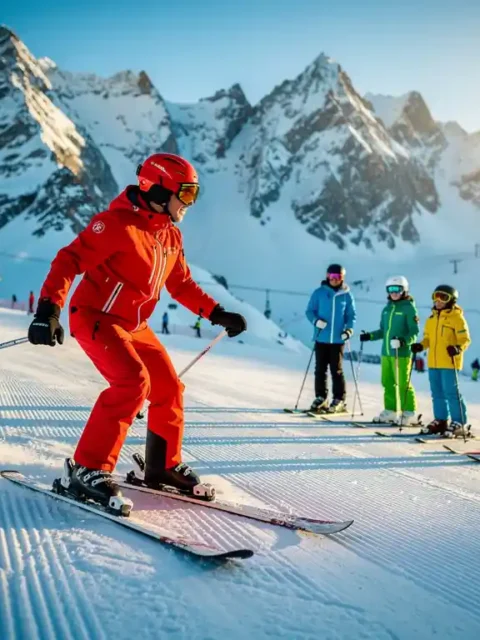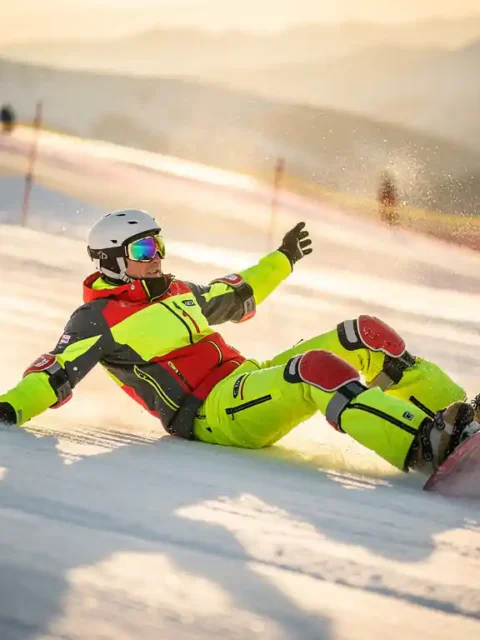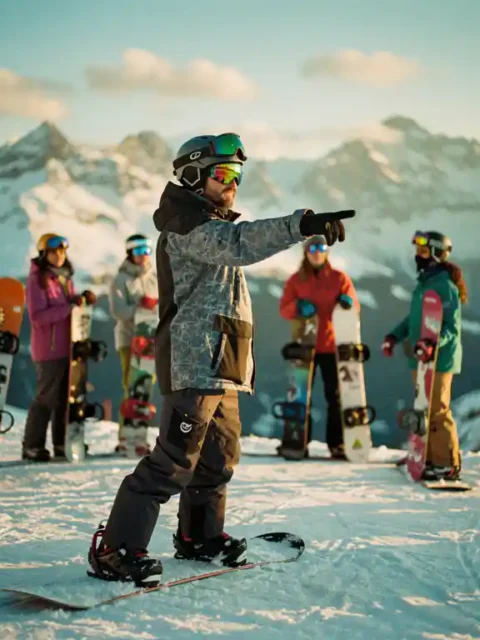

What do you do when you fall during a snowboard lesson?
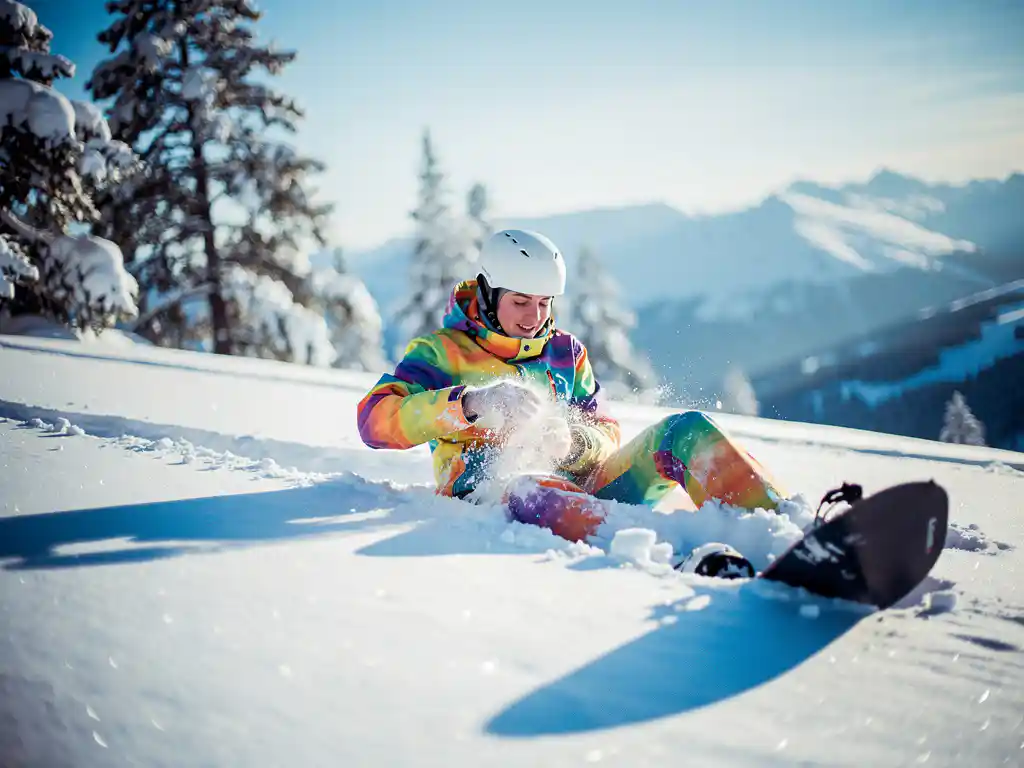
Falling during a snowboard lesson is normal and happens even to experienced snowboarders. The most important thing is to stay calm, check yourself for injuries, and get up safely. With the right knowledge and preventive measures, you can minimize the risk of falls and know what to do if it happens anyway. Professional instruction plays a crucial role in your safety on the slopes.
What should you do immediately after a fall while snowboarding?
After a fall, you should first lie still for a few seconds and check if you feel pain or are injured. Carefully move your arms, legs, and head to check if everything is still working properly. If you don’t feel any pain, roll onto your stomach and get on your hands and knees before standing up.
The safety check is essential: feel your wrists, ankles, and knees to see if anything feels painful or unstable. Also check if your snowboard is still properly attached and not damaged. If you feel dizzy or have a headache, stay seated and ask for help from your instructor or other snowboarders.
To get up, use the “leaf” technique: lie on your stomach with the snowboard perpendicular to the slope, place your hands next to your shoulders, and push yourself up while keeping the board stable. Avoid pulling yourself up by your board; this can lead to another fall.
How do you prevent falls during snowboard lessons?
Prevention starts with the right basic stance: knees slightly bent, weight centered over the board, and arms relaxed beside your body. Always look where you want to go, not down at your board. Your body naturally follows your gaze.
Speed control is crucial for beginners. Learn to brake and turn properly on easy slopes before moving to steeper runs. Practice your balance by standing on one foot and making small movements. This strengthens your stability and reaction ability.
A good snowboard lesson from a qualified instructor is indispensable. They teach you the right techniques from the beginning, preventing bad habits that could later lead to falls. Instructors can also assess slope conditions and guide you to suitable runs for your level.
What injuries are most common in snowboard falls?
Wrist injuries are the most common snowboard injuries, especially among beginners who put their hands out to break a fall. Knee and ankle injuries also occur regularly due to the fixed binding of the snowboard. Shoulder and back injuries can result from hard backward falls.
Recognize symptoms of serious injuries: intense pain, inability to move the injured body part, visible deformity, or numbness. For head injuries, watch for dizziness, nausea, confusion, or memory problems. These signs require immediate medical attention.
First aid for minor injuries: rest, ice for swelling, compression with a bandage, and elevation of the injured body part. When in doubt about the severity of an injury, always stop snowboarding and seek medical help. It’s better to be cautious than let a small injury develop into a major problem.
Why do professional snowboard lessons through Ski-Pro reduce fall risk?
Qualified instructors from certified ski schools teach you the right techniques from the beginning, making you learn to snowboard much more safely. They know the slope conditions, can assess risks, and guide you to suitable runs for your skill level.
Through Ski-Pro you can compare more than 250 ski schools in the Alps and find exclusively certified, reliable instructors. We only work with schools that meet high safety standards and quality requirements. This means your instructor is not only technically competent but also trained in first aid and safety procedures.
The advantage of professional guidance is that instructors anticipate potential problems before they arise. They correct your posture, teach you proper falling techniques, and ensure you learn progressively without taking unnecessary risks. This makes your snowboard lesson not only safer but also much more enjoyable and effective.
When can you snowboard again after a fall or injury?
After a light fall without injuries, you can usually continue snowboarding immediately, provided you feel good and have no pain. However, always listen to your body and take rest if you feel uncertain. With minor bruises or muscle pain, a day’s break is often sufficient.
With wrist injuries, wait until you can move pain-free and have grip again. Knee injuries often require longer recovery; wait until you can walk and jump stably without pain. Head injury always means stopping for that day, regardless of how mild it seems.
The gradual return is important: start on easy slopes, take it easy, and build up slowly. If you have doubts about your recovery, consult a doctor before hitting the slopes again. It’s better to wait an extra day than be out of action for weeks due to an aggravated injury.
Falling is part of learning to snowboard, but with proper preparation, professional guidance, and safety knowledge, you can significantly reduce the risk. Don’t forget that every fall is a learning moment: analyze what happened and how you can handle it better next time. This way you become not only a better snowboarder but also a safer one.
Frequently Asked Questions
How often do beginners fall on average during their first snowboard lessons?
Beginners fall on average 10-15 times during their first lesson day, which is completely normal. After 2-3 lesson days, this number drops drastically to 2-5 falls per day. The most important thing is that you learn to fall in a safe way and don't become afraid of falling.
What protective equipment is recommended for beginners to prevent fall injuries?
For beginners, wrist guards are most important, as 40% of all snowboard injuries involve wrist injuries. A back protector and knee pads are also strongly recommended. A helmet is mandatory on most slopes and provides essential protection against head injuries.
What are the costs if you need medical help on the slopes during a snowboard lesson?
Rescue costs on the slopes vary from €200-800 depending on the location and complexity of the rescue. A helicopter evacuation can cost up to €3000. Therefore, always ensure you have adequate winter sports insurance that covers these costs before going on a winter sports vacation.
How long does it take on average before beginners can snowboard safely without frequent falls?
Most beginners can master basic snowboard techniques and safely descend blue runs after 4-6 lesson days of 3-4 hours each. For red runs, you usually need 8-10 lesson days. The pace varies per person, but constant professional guidance significantly speeds up this learning process.