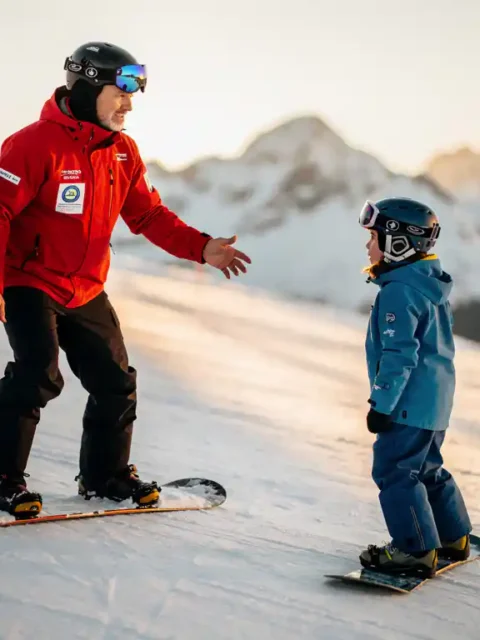

How do you use lifts during snowboard lessons as a beginner?
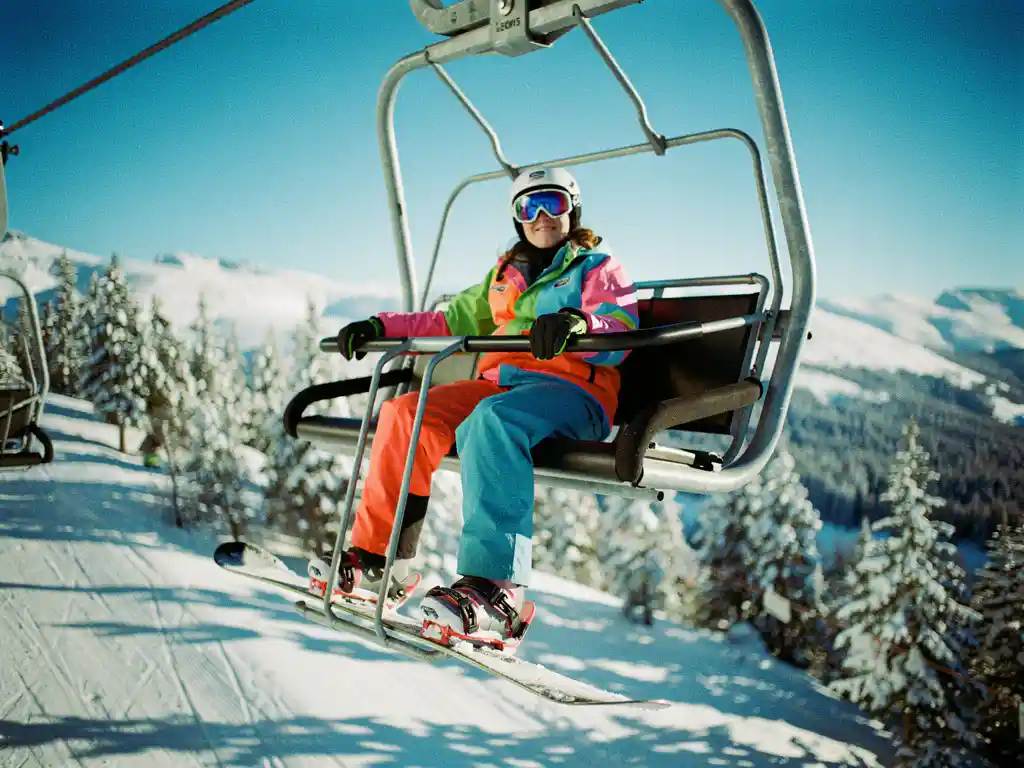
As a beginner during a snowboard lesson, using lifts is often one of the first challenges you encounter. Lifts are essential transportation on the slopes, but for snowboarders they are often more difficult to use than for skiers. You’ll learn about different types of lifts, from simple magic carpets to more complex drag lifts, each with their own techniques and safety points that are crucial for a safe and enjoyable snowboarding experience.
What are the different types of lifts that beginners encounter during snowboard lessons?
Beginners during their snowboard lesson primarily encounter four main types of lifts: magic carpets, chairlifts, gondolas, and T-bars/drag lifts. Magic carpets are the most beginner-friendly and work like conveyor belts that slowly transport you uphill. Chairlifts and gondolas are comfortable because you can sit during transport, while T-bars and drag lifts are often the most challenging for snowboarders.
Magic carpets are usually found at beginner slopes and practice runs. These lifts are ideal for your first snowboard lessons because you simply step onto your board and get carried along. You don’t need to learn any special techniques and can concentrate on your balance.
Chairlifts are popular on most slopes because they are comfortable. You release your back binding, sit down, and let yourself be carried up. When getting off, it’s important to distribute your weight properly and calmly glide away from the exit point.
Gondolas offer the most protection against weather and wind. You step completely out of your bindings and take your snowboard inside with you. This type of lift is found especially at large elevation changes and is very suitable for beginners because no special techniques are needed during transport.
How do you use a T-bar or drag lift with a snowboard as a complete beginner?
Using a T-bar with a snowboard requires specific techniques that differ from skiing. Position your snowboard straight in the direction of the lift, with both feet in the bindings. Grab the T-bar with your back hand and place it between your legs, against your back thigh. Let the lift pull you up without sitting on the T-bar.
The correct posture is crucial for success. Keep your knees slightly bent and your weight centered over your board. You can use your front hand for extra balance, but don’t force anything. Let the lift do the work and try to stay relaxed.
Common mistakes beginners make are leaning too much on the T-bar, trying to sit instead of being pulled, and panicking when the board starts to swing. If you feel you’re losing your balance, release the T-bar and glide safely to the side of the slope.
Getting off at a T-bar also requires practice. When you reach the endpoint, release the T-bar and calmly glide away from the exit. Make sure you don’t stop right at the exit point because other skiers and snowboarders are coming behind you.
Why is using lifts often more difficult for snowboarders than skiers?
Using lifts is more challenging for snowboarders because both feet are attached to one board, which gives less flexibility than skiing, where you have two separate skis. With drag lifts, skiers can move their legs independently for balance, while snowboarders must control their entire body as one unit. This makes it harder to maintain balance and make corrections during transport.
With chairlifts, snowboarders must release their back foot to sit comfortably and quickly fasten their binding again when getting off. Skiers can simply keep both skis on during the entire ride. This releasing and fastening under time pressure is often stressful for beginners.
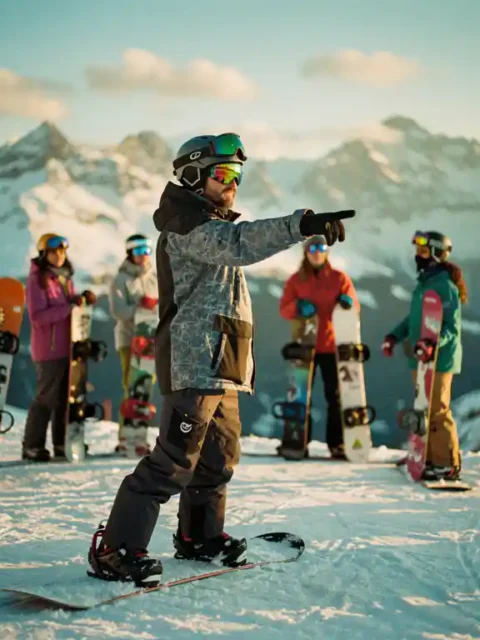
Certified instructors address this by paying extra attention to lift techniques during snowboard lessons. They often practice getting in and out of bindings on flat ground first, and personally guide beginners through their first lift experiences.
The sideways stance in snowboarding also means you have less visibility in certain directions than skiers, who face forward. This can cause uncertainty about the route and possible obstacles when using lifts.
What are the most important safety tips for lifts during snowboard lessons?
The most important safety tips for lifts during your snowboard lesson are: always listen to lift personnel, maintain sufficient distance from other users, and never panic if something goes wrong. Always release the lift if there are problems and glide safely to the side. Wear your helmet and protective clothing, and make sure your bindings are secure before using the lift.
Communication with lift personnel is essential. If you’re a beginner, let the lift operator know. They can help you get on and give you extra time. Use simple hand gestures or basic words in the local language if you don’t speak the language.
With chairlifts, it’s important to pull down the safety bar as soon as you sit down. Keep your snowboard straight and let your feet hang relaxed. Be prepared for getting off by fastening your back binding before you reach the endpoint.
For T-bars: if you fall or lose your balance, immediately release the T-bar and glide to the side. Never try to hold onto the lift while falling; that can be dangerous for yourself and other users.
How do you choose the best snowboard lessons for lift techniques in the Alps through Ski-Pro?
Through Ski-Pro you can easily compare snowboard lessons that specifically focus on lift techniques. Our platform shows more than 350 ski and snowboard schools in the Alps, where you can filter by lesson content, instructor specializations, and beginner-friendliness. We only work with certified schools that have demonstrable experience teaching lift skills to beginners.
When choosing a snowboard lesson through our platform, you can compare teaching methods and see which schools spend extra time on lift training. Many of our partner schools offer special beginner programs that teach lift techniques step by step, from magic carpets to more complex drag lifts.
Certified instructors are crucial for learning lift skills safely. They know the specific challenges snowboarders face and can give you personal guidance. Through Ski-Pro you can see instructor qualifications and read about their experience with beginners.
Our comparison platform also shows practical details like group size, lesson duration, and which lifts are used during lessons. This way you can make an informed choice that fits your level and learning goals. The transparent price comparison also helps you find the best value for your money in your chosen Alpine destination.
Whether you’re planning your first snowboard lesson or want to improve your lift techniques, through Ski-Pro you’ll find the perfect instructor and school that will teach you to use all lifts safely and confidently. Our community of snow lovers—always searching for powder and first tracks—is ready to help you have the best snowboarding experience in the beautiful Alps.
Frequently Asked Questions
How long does it take before I can safely use all lift types as a beginner?
Most beginners master magic carpets and chairlifts within 1-2 lesson days. For T-bars and drag lifts you usually need 3-5 days of practice, depending on your balance and confidence. Certified instructors can accelerate this process through targeted exercises and personal guidance.
What should I do if I keep falling when using a T-bar?
Stay calm and practice first on flatter slopes with shorter T-bars. Focus on your posture: knees slightly bent, weight centered, and let the lift pull you without leaning on it. Many beginners make the mistake of being too tense - relaxation is the key to success.
Can I use lifts if I can't snowboard well yet?
Yes, but start with magic carpets and simple chairlifts while learning the basic skills. Most snowboard schools combine lift exercises with technique training. Make sure you can stop and maintain your balance before trying more complex lifts like T-bars.
Are there special bindings or equipment that make lifts easier for beginners?
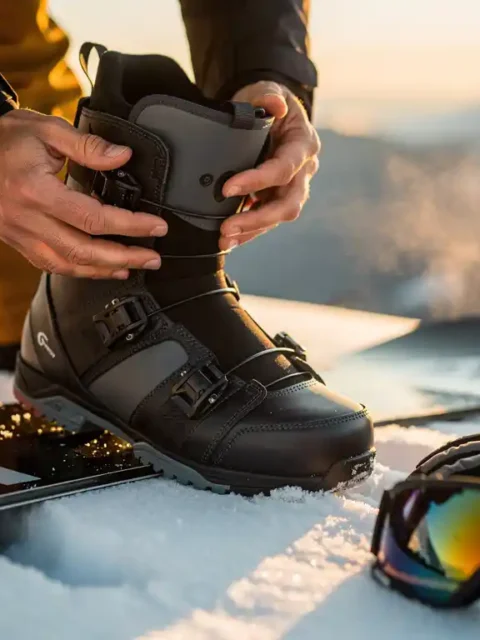
Standard bindings are sufficient, but make sure they are properly adjusted by a professional. Some beginners choose step-in bindings that are quicker to release at chairlifts. The most important thing is that your bindings are secure and feel comfortable during your snowboard lesson.