
What do you do if you fall out of a ski lift during a snowboard lesson?
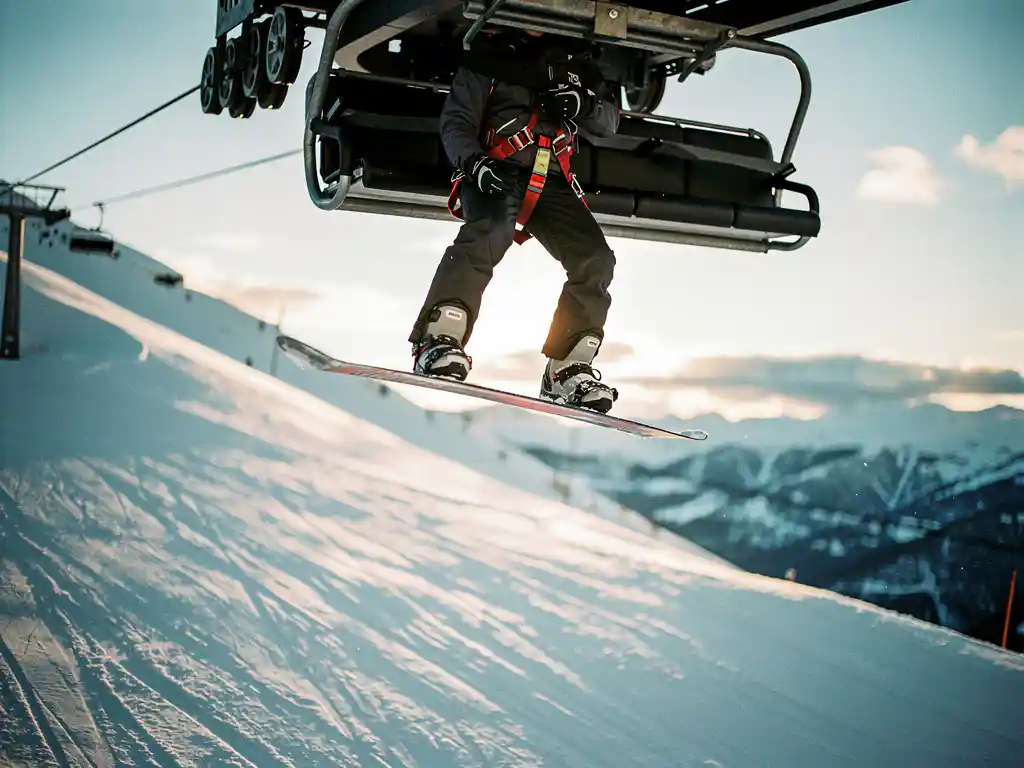
Falling from a ski lift during your snowboarding lesson is a rare but serious situation that usually occurs due to improper positioning when getting on or off, loose bindings, or sudden movements. The main prevention is professional guidance and following lift protocols. If you fall, you must immediately lie still, call for help, and wait for rescue personnel. This guide answers essential questions about lift safety during snowboarding lessons.
What exactly happens when you fall from a ski lift while snowboarding?
A fall from a ski lift while snowboarding usually happens when getting on, getting off, or due to incorrect seating position during the ride. The most common scenarios are your snowboard getting caught behind the lift chair, suddenly standing up during the ride, or not properly closing the safety bar.
The immediate consequences can range from minor bruises to serious injuries, depending on the height and terrain below. Falls from great heights can lead to broken bones, head injuries, or back injuries. Even at lower heights, snowboarders can be injured due to the awkward position of the board during the fall.
Most lift incidents occur within the first 50 meters after the boarding point or just before the exit station. This happens because snowboarders often lose concentration here or try to stand up too early. The snowboard can act as a lever, completely disrupting your balance.
How do you prevent falling from a ski lift during your snowboarding lesson?
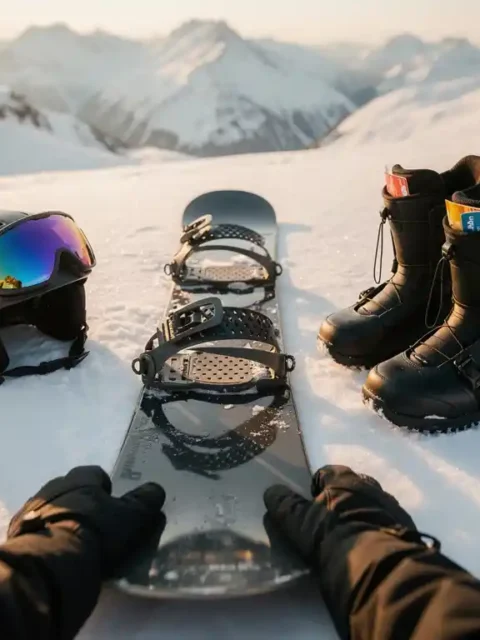
Prevention starts with proper preparation and posture before entering the lift. Make sure your bindings are secure, your board is free of snow and ice, and always listen to instructions from lift personnel and your snowboarding instructor.
Essential safety techniques include: keep your board straight and parallel to the lift, lean back against the backrest, keep both hands on the safety bar, and make no sudden movements during the ride. When boarding, let the lift chair carry you instead of jumping onto it.
During your snowboarding lesson, you learn specific techniques for different lift types. Chair lifts require a different approach than drag lifts. Practice getting on and off first on flat terrain with your instructor. Always wear a helmet and ensure your clothing cannot get caught behind the lift chair.
Mental preparation is just as important as physical technique. Stay focused during the entire lift ride, avoid distractions like your phone, and communicate with fellow riders about who gets off when on multi-person chair lifts.
What should you do immediately if you have fallen from a ski lift?
When falling from a ski lift, the first rule is: stay down and don’t move until help arrives. Don’t try to get up immediately, even if you feel fine, because adrenaline can mask pain and internal injuries may not be immediately noticeable.
Call for help immediately or have others do so. Most ski resorts have emergency protocols where the lift is immediately stopped during an incident. Rescue personnel are usually on scene within minutes. Keep yourself warm by lying still and wait for professional help.
Document the incident by taking photos of the situation, finding witnesses, and contacting the lift company. Request an official incident report and note the names of involved persons. This is crucial for potential insurance claims later.
Even with minor injuries, medical examination is recommended. Get checked by the ski resort’s medical team or go to a local clinic. Some injuries, such as concussion or internal bleeding, only become apparent later.
Why do professional snowboarding lessons through Ski-Pro help you become safer?
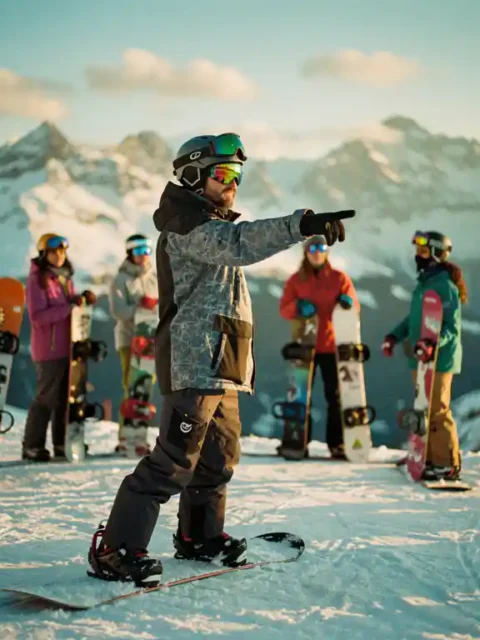
Certified instructors through Ski-Pro snowboard schools in the Alps teach specific lift safety techniques that are crucial for snowboarders. They know the local lift systems and weather conditions and can assess risks better than beginning snowboarders who go out alone.
Through our platform, you compare more than 350 snowboard schools in the Alps, where all partners are certified and meet international safety standards. Professional guidance means you learn how to safely use different lift types, from modern chair lifts to older drag lifts that require more technique.
Our instructors focus not only on snowboarding technique but also pay attention to general mountain safety, weather conditions, and emergency procedures. They know the specific challenges of each ski resort and can prepare you for local conditions.
Through Ski-Pro, you can compare instructors based on experience, specializations, and reviews from other snowboarders. You can easily find instructors who specialize in lift safety or have experience with anxious or beginning snowboarders who need extra attention.
What insurance covers accidents during snowboarding lessons in the Alps?
Winter sports insurance usually covers accidents during snowboarding lessons, including lift incidents, but coverage varies greatly per policy and insurer. Standard travel insurance often provides insufficient coverage for winter sports activities and specific risks like lift accidents.
Specific winter sports insurance usually covers medical costs, rescue operations, repatriation, and equipment damage. Watch for exclusions such as off-piste snowboarding, competitions, or snowboarding under the influence of alcohol. Some insurers require that you take lessons at recognized schools.
Liability insurance is essential, as you may be responsible for damage to lift installations or injuries to others. In many European countries, it’s mandatory for winter sports enthusiasts to have liability insurance before they can access the slopes.
Check if your insurance also covers the following: helicopter rescue, private medical treatment, extended stay due to injuries, and lost vacation costs. Some insurances also offer coverage for lesson cancellation due to weather conditions or lift closures.
Always keep your insurance documents with you while snowboarding and make sure fellow travelers know where to find them. In case of an incident, you need them immediately for treatment and claims.
Frequently Asked Questions
How do you recognize an unsafe lift before getting on?
Watch for warning signs such as outdated safety bars, missing lift personnel, ice formation at the boarding area, or lifts that stop and start irregularly. Trust your instincts - if a lift looks unsafe, choose an alternative route or ask your instructor for advice.
What do you do if your snowboard gets stuck while boarding the lift?
Stay calm and don't try to pull free forcefully. Immediately signal the lift personnel to stop the lift. Let your instructor or experienced snowboarders help carefully free your board. Forcing it can lead to falls or damage to your bindings.
Is it safer to ride alone or with others in a chair lift during your lesson?
During your first lessons, always ride with your instructor in the lift so you can learn and practice the correct techniques. On multi-person chair lifts, make sure everyone knows when and how to get off to prevent collisions. Prior communication is essential.
What specific precautions apply in bad weather in the Alps?
During wind, snowfall, or fog, lifts are often temporarily closed. Always follow instructions from lift personnel and never board a lift that is officially closed. In bad weather, wear extra warm clothing and a helmet, and ensure your vision isn't impaired by fogging or snow on your goggles.