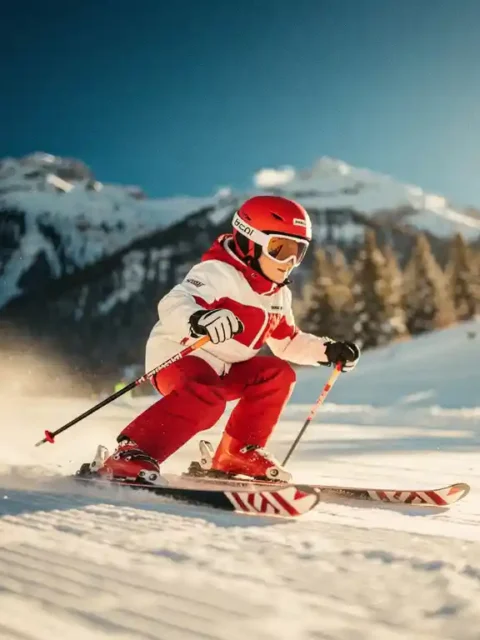

How much do ski passes contribute to the total cost of a European ski holiday?
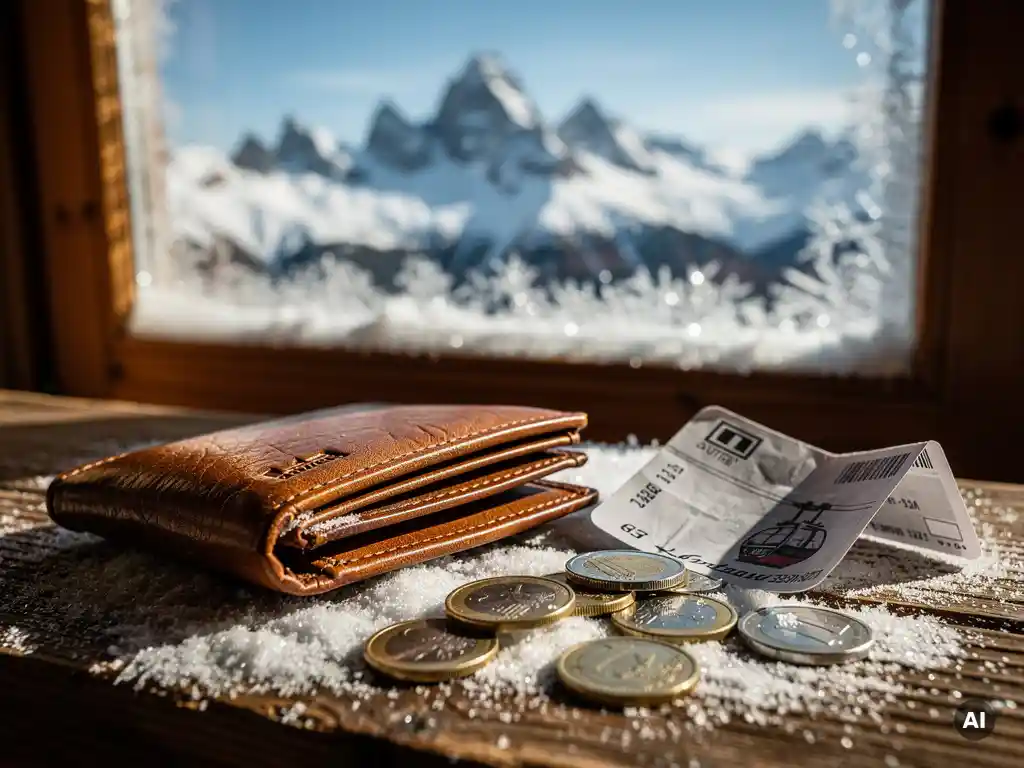
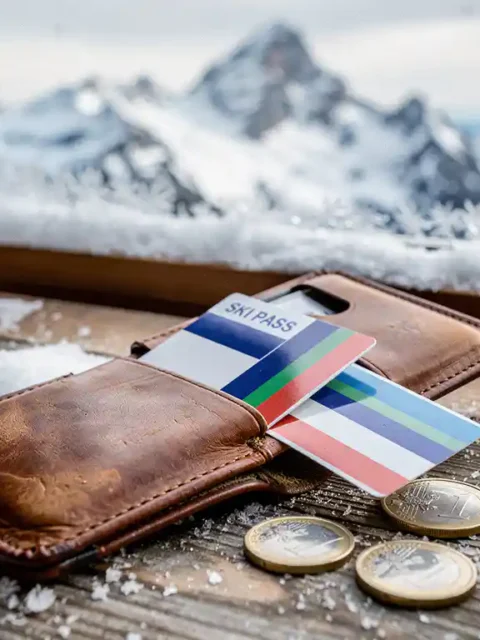
Ski passes typically account for 20 to 30 percent of the total cost of a European ski holiday per person, making them one of the largest single expenses after accommodation. The exact share depends heavily on which resort you choose, how long you ski, and how early you book. Below, we break down the key questions every budget-conscious snow lover should ask before heading to the Alps.
How much does a ski pass typically cost in Europe?
A standard adult ski pass in Europe costs roughly 40 to 70 euros per day, depending on the resort and season. Weekly passes offer better value, typically ranging from 200 to 350 euros in mid-range destinations and climbing to 400 euros or more in premium resorts like Verbier, Zermatt, or Val d’Isère. Budget-friendly areas such as Winterberg in Germany can come in well below that range.
To put it in concrete terms, here is what you can roughly expect across different tiers of Alpine destination in 2026:
- Budget resorts (e.g. Winterberg, Willingen, smaller Austrian villages): 25 to 40 euros per day, or 150 to 220 euros per week
- Mid-range resorts (e.g. Sölden, Schladming, Les Deux Alpes): 45 to 60 euros per day, or 230 to 290 euros per week
- Premium resorts (e.g. St. Anton, Courchevel, Zermatt): 65 to 80 euros per day, or 350 to 420 euros per week
Children and teens usually benefit from significant discounts, sometimes up to 50 percent off the adult price, which makes a real difference when you are budgeting for a family ski trip.
What percentage of a ski holiday budget goes toward the ski pass?
On a typical European ski holiday, the ski pass represents 20 to 30 percent of the total per-person budget. For a week-long trip with a mid-range resort pass, accommodation, flights or driving costs, equipment rental, food, and lessons factored in, the lift ticket is consistently the second or third biggest line item after accommodation.
To illustrate: if the average ski trip cost per person in Europe for a week sits between 1,000 and 1,800 euros all-in, a ski pass costing 250 to 300 euros represents roughly 17 to 30 percent of that total. At a premium resort where the pass alone tops 400 euros, that proportion climbs even higher.
What this means practically is that choosing your resort wisely has an outsized impact on the overall budget. Dropping one tier in resort prestige can save you 100 euros or more on the pass alone, without necessarily compromising the quality of the skiing.
Are ski passes cheaper when booked in advance?
Yes, booking your ski pass in advance almost always saves you money. Most major resorts and lift companies offer early-bird discounts of 10 to 20 percent when you purchase your pass online before the season begins or several weeks ahead of your visit. Buying at the ticket window on the day is consistently the most expensive option.
A few strategies worth knowing:
- Book directly through the resort’s website as early as October or November for the following winter season to lock in the lowest rates
- Multi-day passes purchased online typically offer a steeper per-day discount the more days you add
- Season passes are worth considering if you plan to ski more than ten days per year at the same resort or resort group
- Ski package deals bundling accommodation and a lift pass can reduce the effective pass cost compared to buying each element separately
Last-minute deals do occasionally appear, but they are unreliable and usually only surface in low-snow or low-demand seasons. For most skiers, early booking is the safer and smarter financial move.
Which European ski resorts offer the best value ski passes?
The best value ski passes in Europe are generally found in Austria, Germany, and smaller French and Swiss resorts that offer extensive skiable terrain at lower prices than their headline-grabbing neighbours. Value is not just about price, though. It is about the ratio of terrain, snow reliability, and lift infrastructure to what you pay.
Top value destinations to consider
Austria consistently delivers strong value. Resorts like Schladming, Saalbach-Hinterglemm, and the SkiWelt area offer hundreds of kilometres of pistes at pass prices that undercut the French mega-resorts by a meaningful margin. The Ski Amadé region, for example, covers over 760 kilometres of slopes under a single pass at a price that would be considered mid-range.
Budget-friendly options closer to home
For Dutch and Belgian skiers, German resorts like Winterberg and Willingen are genuinely excellent value, with daily passes often under 40 euros and easy driving distances from the Netherlands. They are ideal for beginners, families, and anyone who wants to ski without the full Alpine price tag. Further afield, Bulgaria’s Bansko and Romania’s Poiana Brașov offer some of the lowest pass prices in Europe, often under 35 euros per day, though terrain is more limited than in the Alps.
What other costs should you budget for alongside the ski pass?
Beyond the ski pass, the other major costs of a European ski holiday include accommodation, ski equipment rental, ski lessons, transport, food and drinks, and travel insurance. Together, these can easily double or triple the cost of the lift ticket alone, which is why the ski pass often feels like just the starting point.
Here is a realistic breakdown of what to budget per person per week in 2026, on top of your ski pass:
- Accommodation: 400 to 900 euros depending on resort, standard, and whether you self-cater or go half-board
- Equipment rental (skis, boots, poles or snowboard): 120 to 200 euros per week; cheaper when booked in advance online
- Ski or snowboard lessons: 150 to 350 euros for a week of group lessons; private instruction costs more but accelerates progress significantly
- Transport (flights or fuel, airport transfers): 100 to 400 euros depending on origin and destination
- Food and après-ski: 150 to 300 euros, highly variable depending on whether you cook or eat out
- Travel insurance with ski cover: 30 to 80 euros; never skip this one
Lessons in particular are an investment that pays back quickly. Improving your technique means you get more out of every run, every day, and every ski pass you ever buy.
How Ski-Pro helps you get more from your ski holiday budget
Planning a ski trip involves a lot of moving parts, and getting the instruction side right can make or break your time on the mountain. That is where we come in. At Ski-Pro, we help you find and book the right ski or snowboard lessons without the guesswork, so your budget goes further and your days on the slopes are genuinely enjoyable from the very first run.
Here is what we offer:
- Compare 250+ ski schools and instructors across the Alps in one place
- Filter by skill level, group size, language, and resort to find your perfect match
- Transparent pricing with no hidden fees so you can plan your budget with confidence
- Options for all levels, from absolute beginners to seasoned powder hounds looking to sharpen their technique
Whether you are planning your first time on skis or chasing fresh tracks in a new resort, find your ski instructor with us and make every day on the mountain count.