
Can I ski with a fear of heights?
Yes, you can absolutely ski with a fear of heights. Many people with acrophobia thoroughly enjoy the slopes, as long as they choose the right approach and gradually get used to the environment. A fear of heights on a mountain is quite different from acrophobia in everyday life, and with the right guidance it is very manageable. In this article, we answer the most frequently asked questions about skiing with a fear of heights — from what happens in your body to which ski resorts are best suited for you.
What happens to your body when you have a fear of heights on the slopes?
When you experience a fear of heights on the ski slope, your body reacts the same way it does to any other fear response: your heart rate rises, your breathing quickens, your muscles tense up, and your focus narrows. This is the classic fight-or-flight response, triggered by the combination of altitude, open space, and the steepness of the slope in front of you.
On the slopes, there is an added challenge: you are wearing skis. Your body instinctively wants to lean back, away from the hill, while good ski technique actually requires you to lean forward. That tension between instinct and technique makes skiing with a fear of heights especially difficult for beginners. You may sometimes literally freeze on the slope — not because you cannot ski, but because your nervous system hits the brakes.
The good news is that this is a normal reaction that diminishes with practice and the right guidance. Your brain gradually learns that the situation is safe, and the fear response becomes less intense. Many skiers with a fear of heights describe how their bodies naturally begin to relax after a few days on the slopes.
Can people with a fear of heights learn to ski?
Absolutely — people with a fear of heights can learn to ski. It may require a little more patience and a thoughtful approach, but acrophobia is no barrier to conquering the slopes. In fact, skiing offers a structured way to deal with heights step by step, because you control the pace and the level of difficulty yourself.
The key lies in progression. Start on the lowest, widest slopes available. Many ski resorts have dedicated beginner practice areas that are intentionally located low on the mountain, so altitude is barely a factor. As your technique improves and your confidence grows, you can gradually explore higher and more challenging runs.
It is also important never to push yourself. Fear that you ignore or suppress will only come back stronger later. Acknowledge the fear, talk about it with your instructor, and work through it together. A good ski instructor has experience with nervous beginners and will adapt their approach accordingly.
Which ski techniques help with fear on steep slopes?
The most effective ski techniques for people with a fear of heights are those that keep control and speed in your own hands. The wedge position — also known as the snowplow or pizza stance — is the fundamental starting point: by bringing your ski tips together, you automatically slow down and feel immediate control over your movement. That sense of control is exactly what anxious skiers need.
Short turns and brief traverses
Instead of heading straight down, cut across the slope in short, rhythmic turns. Each turn reduces your speed and gives you a moment to breathe and reset. By traversing the slope diagonally rather than descending straight down, you also reduce the visual steepness, which has an immediately calming effect on people skiing with a fear of heights.
Conscious breathing and eye focus
Always direct your gaze toward a point slightly further ahead on the slope — not straight down or toward the drop. This sounds simple, but it has an enormous effect on your sense of balance and your fear response. Combine this with deliberately exhaling with each turn: this helps your muscles relax and breaks the tendency to freeze.
Private lessons or group lessons: what works better for a fear of heights?
For people with a fear of heights, private lessons are almost always the better choice. In a private lesson, the instructor’s full attention is on you, the pace can be completely adapted to your comfort level, and there is space to talk openly about your fear without feeling embarrassed in front of others. That sense of safety is essential when you want to learn to ski with a fear of heights.
In a group lesson, the pace is set by the group as a whole. If you need more time on a particular section or want to stop for a moment to collect yourself, that is more difficult to accommodate. On top of that, seeing others progress further can create social pressure, which may actually intensify the fear rather than reduce it.
That is not to say group lessons never work. If your fear of heights is mild and you enjoy the social aspect, a small group with a perceptive instructor can also be effective. But for serious acrophobia, the one-on-one support of a private lesson is the most effective starting point.
Which ski resorts are best suited for beginners with a fear of heights?
The most suitable ski resorts for beginners with a fear of heights are those with wide, gentle practice slopes at a relatively low altitude — ideally with uncrowded runs and plenty of space to practice at a relaxed pace. Resorts such as Winterberg in Germany are ideal for a first experience, as the slopes are low-lying and easy to navigate, and the surroundings are far less overwhelming than the high Alps.
If you do want to head to the Alps, ski resorts in Tyrol such as Söll or Westendorf are popular with beginners thanks to their extensive blue runs and welcoming infrastructure. In Switzerland, destinations such as Saas-Fee and Grindelwald are known for their accessibility to new skiers. Whenever possible, choose a resort that explicitly offers beginner-friendly zones, well away from the busy black runs.
In your first season, avoid ski resorts with cable cars that ascend high up the mountain, narrow runs, or few alternative routes. The visual overwhelm of a large, high-altitude ski area can amplify a fear of heights before you have even made a single turn.
How do you prepare mentally for skiing when you have a fear of heights?
Mental preparation starts at home, well before you set foot on the slopes. Visualization is a powerful tool: picture yourself calmly and confidently descending a slope, your breathing steady, enjoying the snow around you. This trains your brain to experience the situation as safe and enjoyable rather than threatening.
Also be honest with yourself about exactly what you are afraid of. Is it the height itself, the speed, the steepness, or the feeling of losing control? The more specifically you can identify your fear, the more targeted your work on it can be — together with your instructor or, if needed, a sports psychologist.
On the day itself, it helps to start early, when the slopes are still quiet. Less crowds means less stress. Also set small, achievable goals for the day: not “I’m going to ski the whole mountain,” but “I’m going to practice three turns on the beginner slope.” Small successes build confidence, and confidence is the best remedy for skiing with a fear of heights.
How Ski-Pro helps you ski with a fear of heights
If you are starting your first ski adventure with a fear of heights, you want to be sure you are choosing the right instructor and the right resort. That is exactly where we come in. Through our platform, you can quickly and easily find the best ski lessons to suit your situation — whether you opt for a relaxed private lesson in Winterberg or a beginner-friendly group lesson in Tyrol.
- Compare more than 250 certified ski schools and instructors across the Alps and surrounding areas
- Filter by level and lesson type to instantly see private lessons for beginners
- Read reviews from other skiers who were also on the slopes for the very first time
- Book easily online, without any hassle, so your mind can already be on the snow
- Choose the resort that suits you, from the gentle slopes of Winterberg to the beginner runs of Söll
Ready to take that first step — fear of heights and all? Compare and book your ski lessons through Ski-Pro and start your first snow adventure fully prepared!
Frequently Asked Questions
What if my fear of heights is so severe that I already panic on the ski lift?
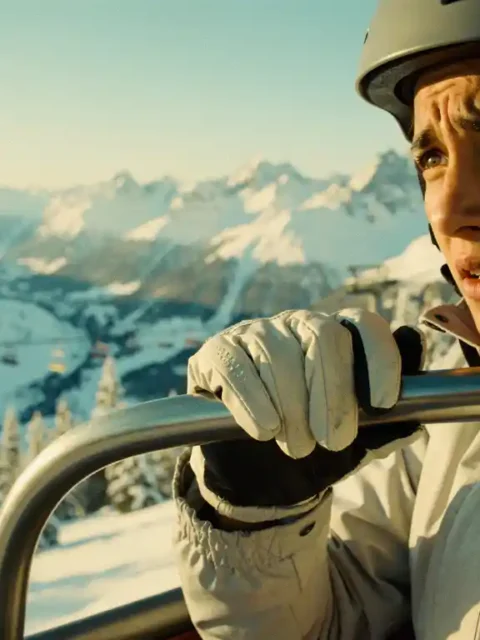
If the ski lift itself is a source of anxiety, start with gondolas or enclosed cabins rather than open chairlifts — these provide a greater sense of safety and structure. Discuss this with your instructor beforehand so you can deliberately choose lifts that are lowest on the mountain and feel least overwhelming. In many beginner-friendly resorts such as Winterberg or Söll, there are plenty of alternatives that let you acclimatize to the altitude gradually without having to go high up the mountain right away.
How many ski lessons do I need before I feel comfortable on the slopes with a fear of heights?
This varies from person to person, but for serious acrophobia, allow for at least three to five private lessons before you truly start to feel at ease. The first lesson is mainly about getting used to the environment and the equipment, while subsequent lessons help you build confidence step by step. Many skiers with a fear of heights find that after a full first week-long season, their anxiety has already decreased significantly — provided they were able to work at their own pace.
Can I use medication or sedatives to ski with a fear of heights?
This is something to always discuss with a doctor, but as a general rule, using sedatives while skiing is not recommended. Skiing demands sharp reflexes, a good sense of balance, and full alertness — qualities that sedating medications can impair, which is particularly dangerous on the slopes. More effective alternatives include breathing techniques, visualization, and gradual exposure under the guidance of an experienced instructor.
What if my travel companions are much better skiers than me — should I ski separately?
Yes, it is wise to ski separately from experienced friends or family in the beginning, as enjoyable as that might sound in theory. The pace of advanced skiers can create pressure and intensify your fear response, while what you actually need is calm and space to practice. Arrange to meet up on the terrace or after lessons, so you can maintain the social aspect without pushing yourself beyond your comfort zone.