
How to Choose the Best Ski Instructor?

The perfect ski vacation begins with the right skiing skills. Whether you’re standing on the slopes for the first time or want to improve your technique, a good ski instructor makes the difference between a frustrating experience and a fantastic winter sports trip. But how do you find the instructor that’s right for you among all the providers? In this guide, we share our knowledge about what’s truly important when choosing a ski instructor who will take your skiing enjoyment and skills to the next level.
Why the Right Ski Instructor is Crucial for Your Progress
When you decide to take ski lessons, you naturally want to make progress. A good match between you and your ski instructor is essential for this. An instructor who aligns with your learning style, personality, and goals ensures that you learn faster and enjoy your time on the slopes more.
A ski instructor who suits you can significantly accelerate your learning process. Where you might take weeks to master a certain technique on your own, a good instructor can teach you the right movements in just a few lessons. This is because an experienced instructor immediately sees which adjustments you need to make and provides personal feedback that precisely matches your situation.
Besides technical progress, confidence plays a major role in learning to ski. An instructor who puts you at ease and gives you confidence helps you overcome fears more quickly. Especially for beginning skiers, fear of steep slopes or high speeds can be a barrier. The right instructor knows exactly how to help you with this.
Your overall skiing experience is also determined by how well your instructor matches what you’re looking for. Some people primarily want to improve technically, others seek more challenge and adventure, and still others simply want to master the basics with pleasure. An instructor who aligns with your wishes turns your ski time into a wonderful experience rather than just a lesson.
What Determines an Effective Ski Lesson?
An effective ski lesson is determined by various factors that together create the optimal learning experience. If you know what to look for, you can better assess which lessons and instructors suit you.
The communication style of a ski instructor is one of the most important elements of a good lesson. Some instructors explain technique in great detail, while others work more with images and comparisons. It’s important that the explanation matches how you best absorb information. Moreover, does the instructor speak your language well? This is particularly important for technical explanations to ensure good understanding.
The teaching approach also varies greatly per instructor. Some build skills very systematically, with each lesson building on the previous one. Others have a freer approach with more room for experimentation. Both methods can be effective, depending on your preferences.
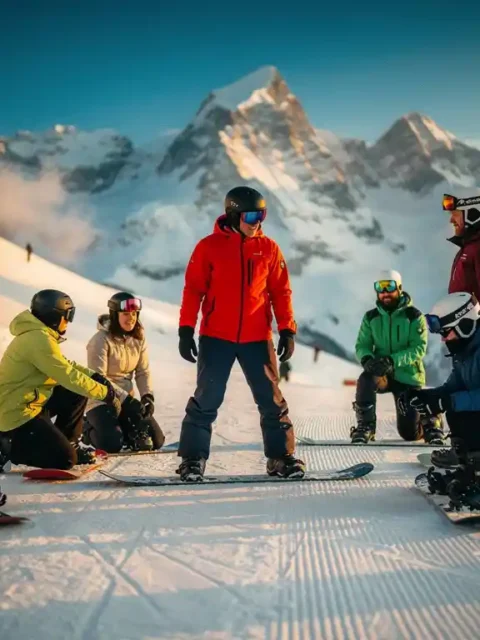
An important consideration is the choice between group lessons and private lessons. In a group, you learn from others and the atmosphere is often social, but you receive less personal attention. With private lessons, all attention is focused on you and the program is fully adapted to your level and wishes. You often learn faster as a result, but you also pay more. For families or groups of friends, there’s a middle ground: semi-private lessons specifically for your group.
A good ski instructor adapts his or her approach to your learning style. Are you someone who learns by doing? Then an instructor who immediately sends you onto the slopes with practical exercises probably works well. Do you learn better by first observing carefully? Then an instructor who provides clear demonstrations and step-by-step explanations might be a better match.
Qualifications and Certifications that Matter
In Alpine countries, ski instructors are trained according to different systems, which can sometimes be confusing when you want to book ski lessons. Yet these qualifications provide you with important information about the level of your potential instructor.
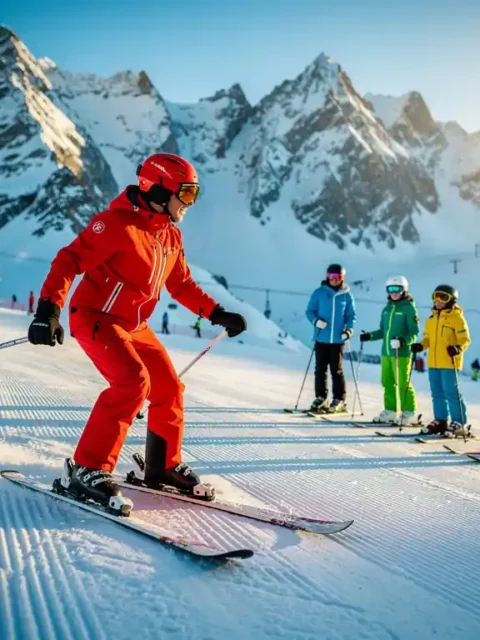
In France, instructors work within the ESF system (École du Ski Français), with different levels from Moniteur Stagiaire to the highest level Moniteur National. An instructor with the red ESF jacket has completed at least three years of intensive training and is excellently qualified.
Austria has the Anwärter, Landes, and Staatsskilehrer system. A Staatsskilehrer (state-certified ski instructor) has the highest qualification and is allowed to teach anywhere in Austria. Switzerland has similar levels, from Schneesportlehrer with basic knowledge to certified instructors with the Swiss federal diploma.
Italian ski instructors follow the Maestri di Sci system, while instructors in other Alpine countries such as Slovenia and Germany have their own national systems. The internationally recognized ISIA certification (International Ski Instructors Association) indicates that an instructor meets international standards.
What do these certifications mean for the quality of your lesson? Generally speaking: the higher the qualification, the more experience and knowledge an instructor has. However, beginning skiers don’t always need an instructor with the highest certification. For advanced skiers who want to improve specific techniques, it can be valuable to take lessons from someone with extensive certification.
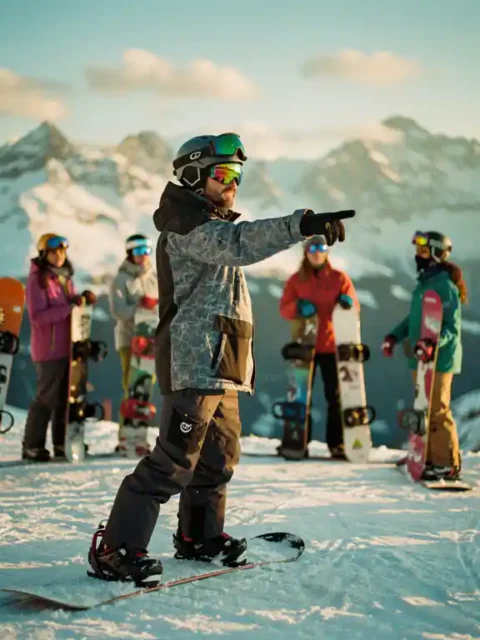
In addition to general qualifications, some instructors also have specializations, such as teaching children, off-piste techniques, or snowboarding. If you have specific wishes, it’s wise to look for an instructor with the right specialization for your goals.
How to Evaluate Ski Instructors Before Booking
Finding the perfect ski instructor starts with thorough research before booking. With the right approach, you increase the chance of finding a good match right away.
Start by reading reviews and experiences from other skiers. These often provide a good picture of an instructor’s strengths and weaknesses. Pay particular attention to reviews from people with similar goals or skill levels as you. Through our comparison tool for ski lessons, you can easily view reviews of different instructors.
Research the specializations of instructors. Some specialize in beginners, others in advanced skiers or specific techniques such as carving, off-piste, or freestyle. Choose an instructor who has experience with what you want to learn.
Before booking, it’s smart to clearly formulate your learning goals. Do you want to learn the basics? Improve specific techniques? Or perhaps discover local secret spots? By clearly communicating what you want to achieve, a ski school can match you with the most suitable instructor.
Don’t hesitate to contact them in advance and ask questions about instructors’ experience with specific skiing skills. A good ski school or instructor will be happy to answer your questions and help you make the right choice.
Also pay attention to practical matters such as availability, language proficiency, and group size. These factors can have a major influence on your learning experience. An instructor who speaks your language fluently can better explain what you need to do, which is especially important for technical aspects.
The Ideal Match Between Skiing Style and Learning Method
Everyone has a natural way of moving and learning. This also applies to skiing. You learn fastest when your instructor’s teaching method aligns with your natural skiing style and personality.
There are different teaching methods in the skiing world. The technical method is based on precise movements and step-by-step building. Ideal for analytical types who like to understand why they’re doing something. The holistic method focuses more on the general feel and natural movements, which works well for intuitive learners. The playful method uses games and exercises to teach skills, which is especially effective with children and relaxed learners.
Your personality plays a major role in which approach suits you best. Are you adventurous? Then an instructor who challenges you and shows you new terrain will likely be motivating. Are you more cautious? Then a methodical instructor who builds step by step might suit you better.
Your learning goals also determine which instructor is best for you. Do you want to see quick results in your technique? Look for an instructor known for their technical knowledge. Do you mainly want to have fun and become more comfortable on the slopes? Then an instructor with a looser, more playful approach might be better.
You’ll find the perfect match by being honest about your own preferences and learning style. Consider how you learn best in other situations: through explanation, through demonstration, or by just doing it. Communicate this when booking your lessons so you can be matched with an instructor who aligns with this.
Conclusion: Make Your Ski Vacation Unforgettable with the Right Instructor
Choosing the right ski instructor is a personal matter that depends on your learning style, goals, and personality. By taking the time to find the right match, you ensure that your ski vacation is not only educational but also unforgettable.
At Ski-Pro, we understand better than anyone how important the right instructor is for your skiing experience. That’s why we’ve developed a platform where you can easily compare instructors and ski schools and find the perfect match. Our network of more than 250 ski schools and instructors in the Alps offers the ideal learning experience for everyone, whether you’re a beginner or an expert.
Remember that the best ski instructor is not necessarily the one with the most certificates, but the one who matches your personal style and goals. With the right guidance, you can make progress faster, build more confidence on the slopes, and above all: enjoy your winter sports more.
Prepare for your next ski vacation by thinking about what you want to learn and what type of instructor would suit that. This way, you get the most out of your time on the slopes and return home not only with beautiful memories but also with improved skiing skills!
Frequently Asked Questions
Hoe lang van tevoren moet ik een ski-instructeur boeken tijdens het hoogseizoen?
Voor populaire skigebieden en tijdens hoogseizoen (kerstvakantie, voorjaarsvakantie) is het verstandig om minimaal 4-6 weken van tevoren te boeken. De beste instructeurs zijn vaak al maanden van tevoren volgeboekt. Als je een specifieke instructeur wilt of les in je moedertaal, boek dan zodra je je reis hebt gepland. Voor lessen buiten het hoogseizoen kun je vaak tot een week van tevoren nog geschikte instructeurs vinden.
Wat als er geen klik is met mijn ski-instructeur?
Als je merkt dat er geen goede match is met je instructeur, bespreek dit dan eerst rechtstreeks met de instructeur door specifiek aan te geven wat je anders zou willen. Werkt dit niet, neem dan contact op met de skischool. Betrouwbare skischolen willen graag dat je tevreden bent en zullen meestal een andere instructeur voorstellen. Wacht hier niet te lang mee, want hoe eerder je het aankaart, hoe sneller je kunt profiteren van lessen die beter bij je passen.
Hoeveel lessen heb ik nodig om echt vooruitgang te boeken?
Voor beginnende skiërs zijn minimaal 3-5 aaneengesloten lesdagen nodig om de basisvaardigheden onder de knie te krijgen. Voor gevorderden die specifieke technieken willen verbeteren, kunnen 2-3 gerichte lessen al significant verschil maken. Consistentie is belangrijk: dagelijkse lessen gedurende een kortere periode zijn effectiever dan verspreide lessen over een langere periode. Bespreek je leerdoelen met je instructeur voor een persoonlijk advies over het optimale aantal lessen.
Welke vragen kan ik het beste stellen tijdens een kennismakingsgesprek met een ski-instructeur?
Vraag tijdens een eerste contact naar de ervaring met jouw specifieke niveau en leerdoelen. Informeer naar hun aanpak: gebruiken ze veel technische uitleg of meer beeldende vergelijkingen? Vraag hoe ze omgaan met angst of blokkades als dat voor jou relevant is. Ook kun je vragen naar hun favoriete oefeningen voor jouw niveau en wat je kunt verwachten qua vooruitgang. Let bij de antwoorden niet alleen op de inhoud, maar ook op hoe de instructeur communiceert, dit geeft een goede indicatie van hun lesgeefstijl.
Hoe bereid ik me fysiek voor op mijn eerste skilessen?
Begin idealiter 6-8 weken voor je skivakantie met gerichte oefeningen voor je beenspieren, core-stabiliteit en uithoudingsvermogen. Squats, lunges en balansoefeningen zijn uitstekend om je voor te bereiden. Cardiotraining zoals fietsen of traplopen helpt je conditie op peil te brengen. Vergeet ook niet om je flexibiliteit te verbeteren met rekoefeningen. Een goede fysieke voorbereiding vermindert vermoeidheid tijdens lessen, verlaagt het blessurerisico en zorgt dat je meer uit elke les kunt halen.
Hoe kan ik het geleerde vasthouden als ik maar één week per jaar ski?
Maak aan het einde van je lessen video’s of notities van de belangrijkste technieken en oefeningen. Vraag je instructeur om specifieke ‘huiswerkoefeningen’ die je thuis kunt doen. Overweeg indoor skiën of een skipiste van kunstsneeuw te bezoeken als er een in de buurt is. Droogtraining (oefeningen zonder ski’s) helpt ook om bewegingspatronen te onthouden. Boek aan het begin van je volgende skivakantie meteen een opfriscursus van 1-2 lessen, zodat je snel weer op niveau bent en verder kunt bouwen op je vaardigheden.
Is het beter om dezelfde instructeur te houden of juist van instructeur te wisselen na een aantal lessen?
Voor beginners is continuïteit met dezelfde instructeur meestal het meest effectief, omdat je dan consistent dezelfde techniek en terminologie leert. Voor gevorderden kan wisselen na 3-4 lessen juist verrijkend zijn, omdat verschillende instructeurs andere perspectieven en technieken kunnen bieden. Het hangt ook af van je voortgang: als je merkt dat je progressie stagneert met je huidige instructeur, kan een nieuwe aanpak verfrissend werken. Bespreek dit ook met je huidige instructeur, die kan vaak goed adviseren of een wissel zinvol is.