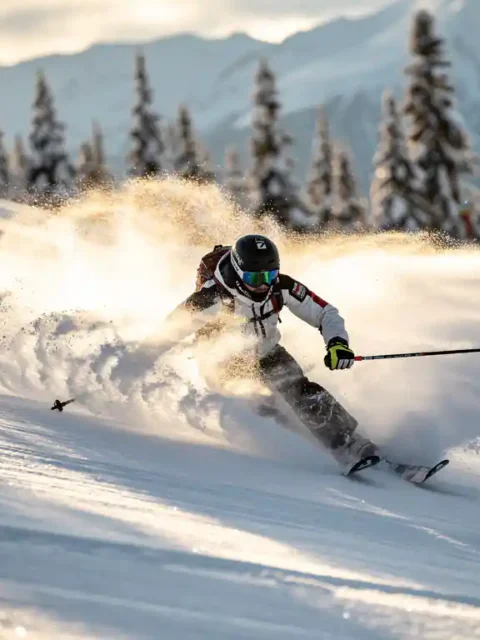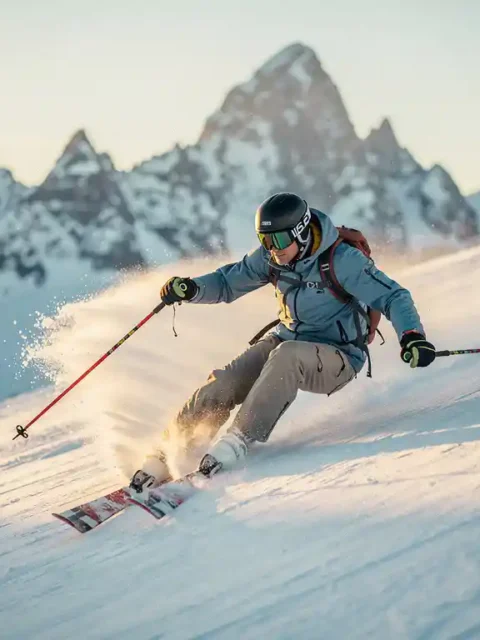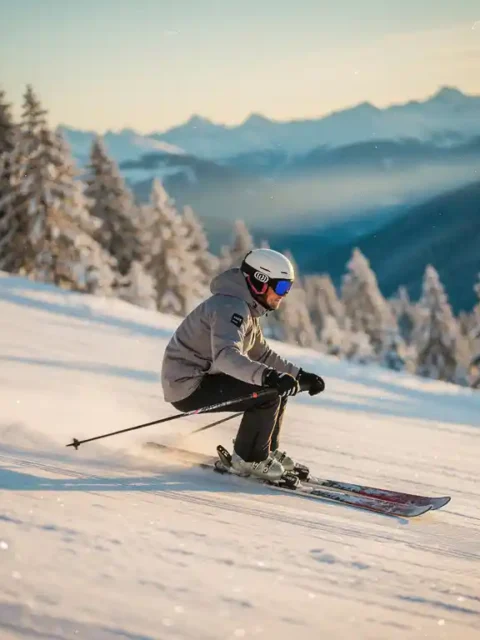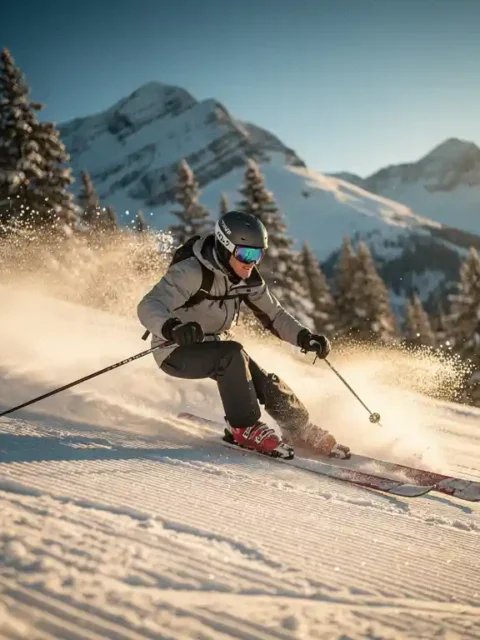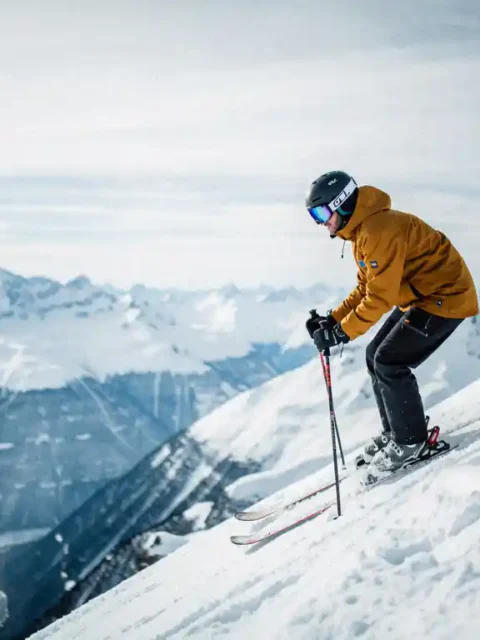

How to Prepare for Black Diamond Slopes?
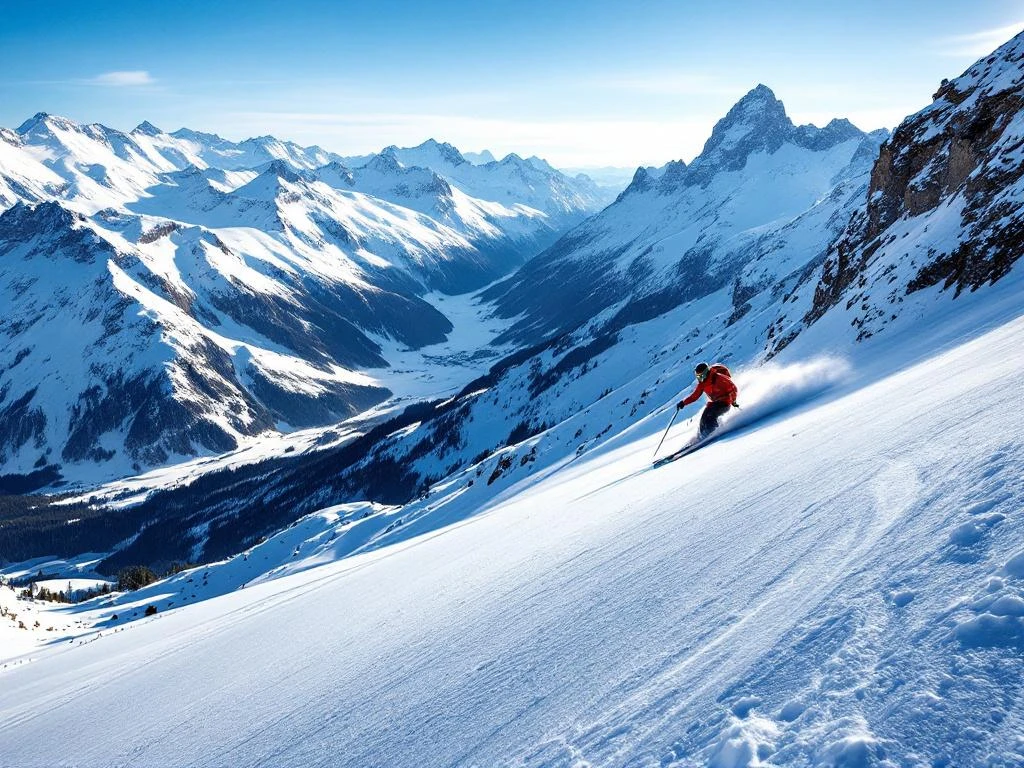
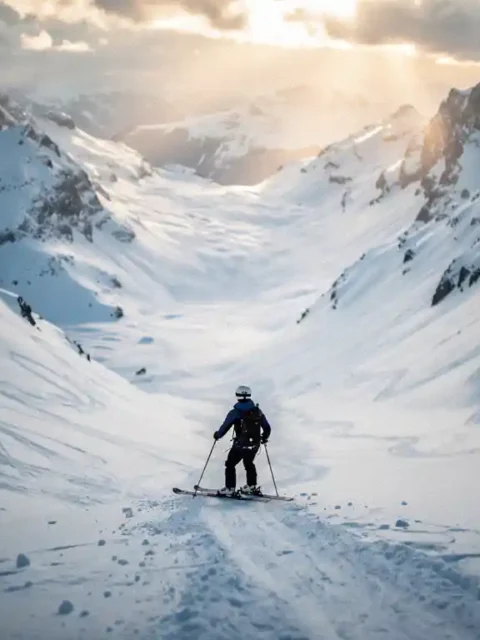
The black slopes beckon. Those steep descents with their challenging terrain catch your attention, but they also require thorough preparation. Whether you’re ready for your first black slope or want to improve your skills on challenging terrain, good preparation makes the difference between fearfully sliding down and confidently enjoying the descent. In this article, we share everything you need to know to conquer black slopes safely and with pleasure: from physical training and proper technique to mental preparation and the importance of appropriate equipment. Because with the right approach, that intimidating black diamond becomes your new playground!
Physical Preparation for Black Slopes
Do you find yourself standing at the top of a black slope with trembling legs? Then better physical preparation might be exactly what you need. Black slopes demand more from your body than blue or red descents. Your leg muscles, core, and endurance are put to an extra test.
Good leg strength is essential. Your legs need to absorb shocks for hours and keep you balanced on steep slopes. Therefore, regularly train your quadriceps, hamstrings, and calves. Squat exercises, lunges, and wall sits are perfect for preparing your skiing legs.
Your core stability largely determines how well you maintain balance on irregular terrain. Plank exercises and side planks strengthen your abdominal and back muscles. Vary these exercises by performing them on an unstable surface, such as a bosu ball.
Your endurance also plays a major role. On black slopes, you take fewer breaks – after all, you don’t want to stop on a steep incline. Cardio training such as running, cycling, or rowing helps you sustain longer descents without getting tired.
Start your training at least 6-8 weeks before your ski vacation. Training three times a week for 30 minutes already produces noticeable results. Build your training schedule gradually and don’t forget to add balance and coordination exercises. Brushing your teeth while standing on one leg or simple yoga exercises help improve your balance.
Which Ski Techniques Should You Master for Black Slopes?
The technical challenges on black slopes require specific skiing skills. Only with the right technique will you maintain control on steep and often irregular descents.
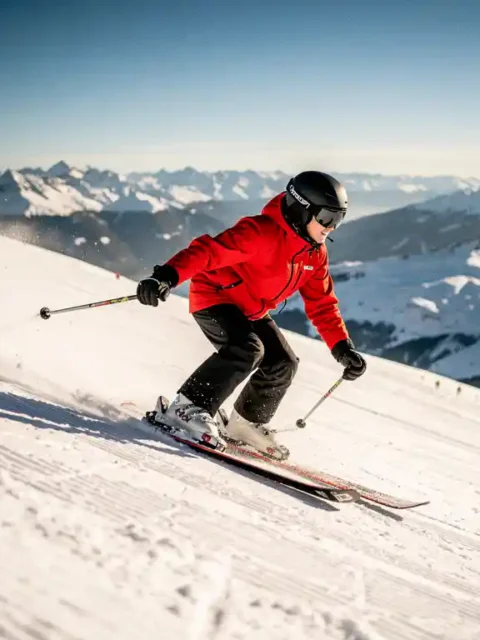
Short, quick turns are your best friend on black slopes. They help control your speed and quickly change direction on narrow or steep sections. Therefore, practice making short, parallel turns where you rapidly shift your weight from one ski to the other.
Your body position must be dynamic. Lean forward well with your shins against the front of your ski boots. This helps keep pressure on the front of your skis, which is important for control. Many beginners on black slopes make the mistake of leaning backward out of fear, causing them to lose control.
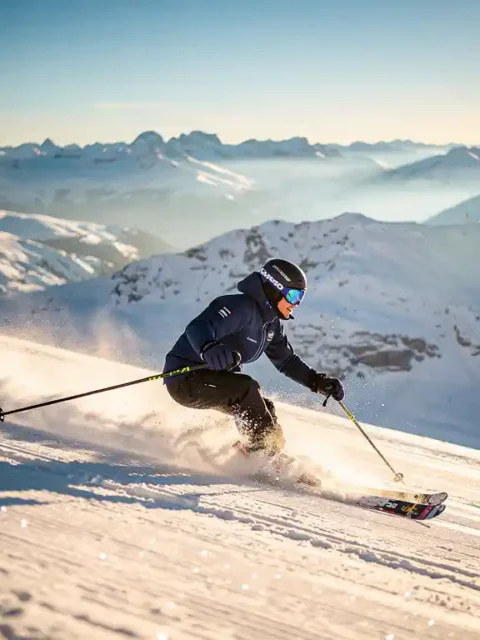
Carving on black slopes requires extra attention. Due to the steepness, your carving technique needs to be even more precise. Focus on tilting your skis by bending your ankles and knees, not by rotating your hips. The pressure on your outside ski should be greater than on flatter slopes.
Also learn to effectively make short turns in different situations. On icy sections, help your skis with an active up-and-down movement of your legs. In heavy snow, keep your legs more extended and use more rotation from your upper body.
A good pole plant supports your turning technique on steep slopes. Plant your pole further down and forward than you’re used to, so your body follows the right direction in the turn.
Don’t forget to properly regulate your speed by making regular short turns. On black slopes, constantly braking in a snowplow is usually not an option – it’s too tiring and less effective on steep sections.
Mental Preparation for Challenging Descents
Your technique and physical condition may be perfect, but without the right mindset, you won’t get far on black slopes. The mental aspect of skiing is often underestimated, while especially on black slopes, your thoughts can be your biggest obstacle or your strongest asset.
Controlling fear is the first step. A healthy dose of respect for the mountain is good, but paralyzing fear hinders your performance. Recognize the difference between realistic concerns (which keep you alert) and irrational fears. Visualize beforehand how you smoothly and controllably ski downhill. This programs your brain for success.
Build confidence step by step. Start with a simple black slope in good conditions. Each successful descent strengthens your confidence. Accept that you will sometimes fall – it’s part of the learning process. Learn to fall safely and get up again on steep slopes.
Concentration is an undervalued skill. On black slopes, you must be fully present, without distraction. Develop a ‘here-and-now’ focus by practicing mindfulness, for example. This helps you make quick decisions based on changing conditions.
Develop a strategy for difficult moments. What do you do if you suddenly doubt yourself halfway down a steep descent? Technique mantras can help: repeat key words like “forward,” “pressure on outside ski,” or “pole plant” to bring your focus back to the right technique.
Learn from every descent. Ask yourself after a run: what went well? What could be better? This reflection helps you grow mentally. Skiing with someone who is slightly better than you challenges you to push your boundaries while still remaining realistic.
Be patient with yourself. Progress on black slopes comes with falling and getting up. Each season you’ll get better, as long as you keep practicing and learning.
Advanced Ski Lessons: When and Why to Invest?
Even if you’ve been skiing for years, an advanced ski lesson can help you make the jump to black slopes. But when is it time to invest in professional instruction specifically for challenging descents?
The right time for an advanced ski lesson is when you’re comfortable on red slopes but hesitate at black ones. Or if you already ski black slopes but notice your techniques are inefficient, you get tired quickly, or you don’t feel completely confident.
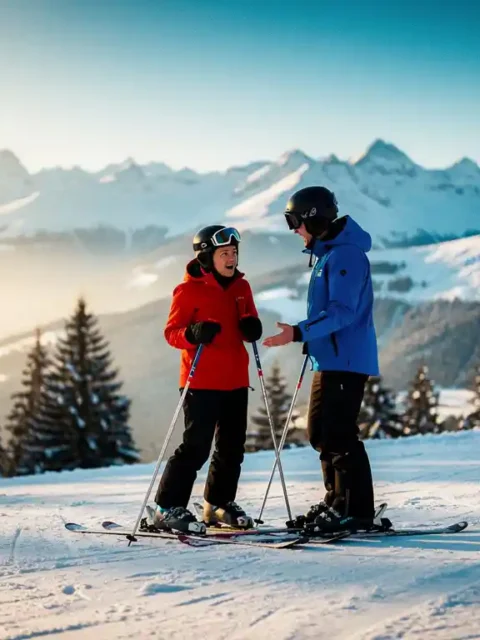
A private lesson or a small group lesson for advanced skiers offers personal feedback that’s difficult to get on your own. An experienced ski instructor immediately sees where your technique can be improved and provides targeted exercises that perfectly match your level and learning style.
What can you expect from an advanced lesson? The focus is on refining your technique for steep descents, improving your carving on challenging terrain, and developing strategies for various snow conditions. A good instructor also works on your confidence and teaches you how to overcome mental blocks.
The cost of a lesson depends on various factors: the duration, private or group, the ski area, and the season. But see it as an investment: one targeted lesson can often give you more progress than a week of independent practice with incorrect habits.
The best time for lessons is at the beginning of your vacation, so you can spend the rest of the week practicing the new techniques. Also consider learning more about our different ski lesson options and which best suit your level and goals.
When booking a lesson, share your specific goals with your instructor. Do you want to get better at short turns on steep slopes? Do you want to learn how to handle icy conditions? The more specific you are, the more the lesson can be tailored to your needs.
Equipment and Materials for Black Slopes
The right equipment makes a world of difference on black slopes. Where you might get away with suboptimal gear on blue slopes, challenging terrain mercilessly reveals the weak points in your equipment.
Choosing the right skis is your first priority. For black slopes, all-mountain skis with a mid-wide waist (85-95mm) are often ideal. They offer the perfect balance between grip on hard surfaces and maneuverability. The length should be matched to your level – for advanced skiers usually up to your nose or slightly longer.
Pay attention to the stiffness of your skis. Skis that are too soft provide insufficient stability at high speed and in variable conditions. Skis that are too stiff are more difficult to control if your technique isn’t perfect. Most brands offer skis in different flex levels – choose a medium-stiff to stiff model depending on your weight and level.
Your bindings must be perfectly adjusted to your weight, height, and skiing style. Have them checked each season by a professional. On black slopes, reliable bindings that release at exactly the right moment during a fall are important for your safety.
Ski boots deserve extra attention. They are your direct connection to your skis. A well-fitting ski boot with the right flex (stiffness) gives you the control you need. For black slopes, usually a medium-stiff to stiff boot (flex 80-120 for women, 90-130 for men) is recommended.
Protective gear is not a sign of weakness but of sensible skiing. A helmet is obvious, but also consider back protection, especially if you’re going into the park or off-piste. Wrist guards can help during a fall and protect against the common “skier’s thumb.”
Don’t forget your clothing. Layers are important for temperature regulation. A good ski jacket and pants should be waterproof and breathable, but also provide freedom of movement. Choose gloves with good grip – you need control over your ski poles.
Well-maintained equipment makes skiing safer and more enjoyable. Have your skis regularly sharpened and waxed. Sharp edges are essential for grip on steep and icy sections of black slopes.
Conclusion
The jump to black slopes requires complete preparation: physical, technical, mental, and equipment-wise. By paying attention to all aspects we’ve discussed, you make the challenge manageable and gradually build the confidence to enjoy challenging descents with pleasure and control.
Know that every expert was once a beginner. Patience, practice, and the right guidance are your best friends on the path to mastering black slopes. At Ski-Pro, as fellow ski lovers, we understand both the challenge and the reward that black slopes offer. We’re happy to help you find the perfect ski lesson to take your skills to the next level, so you can soon descend that black diamond with a smile!
Frequently Asked Questions
Hoe lang duurt het gemiddeld voordat je veilig zwarte pistes kunt afdalen?
Dit verschilt per persoon, maar reken op minimaal 3-4 skiweken (of ongeveer 15-20 skidagen) met regelmatige oefening op rode pistes voordat je de overstap naar zwarte pistes maakt. Sommige skiërs hebben meer tijd nodig, terwijl anderen met een sportachtergrond sneller progressie maken. Het belangrijkste is dat je pas aan zwarte pistes begint wanneer je zelfverzekerd rode pistes afdaalt en basisvaardigheden zoals parallelbochten en snelheidscontrole volledig beheerst.
Wat moet ik doen als ik halverwege een zwarte piste in paniek raak?
Stop eerst op een veilige plek waar je niet in de weg staat. Neem enkele diepe ademhalingen om je hartslag te verlagen. Herinner jezelf aan de juiste techniek: vooroverleunende houding, gewicht op je buitenski, korte bochten. Verdeel de afdaling in kleine, beheersbare stukken en focus op één stuk tegelijk. Als het echt niet gaat, is er geen schaamte in zijwaarts naar beneden schuiven of hulp vragen aan een skileraar of bergredding. Veiligheid gaat altijd voor.
Hoe train ik specifiek voor de hobbels en oneffenheden die typisch zijn voor zwarte pistes?
Oefen op rode pistes met veel hobbels of zoek specifiek naar ‘mogul fields’ (buckelpistes). Begin met langzame trajecten over de hobbels, waarbij je focust op flexibiliteit in je knieën om de schokken op te vangen. Versterk thuis je beenspieren met plyometrische oefeningen zoals box jumps en squat jumps. Balansboards of Bosu-ballen zijn uitstekend om je proprioceptie (lichaamsbewustzijn) te verbeteren, wat essentieel is voor het navigeren van onregelmatig terrein. Sommige skigebieden bieden ook specifieke buckelpiste-lessen aan.
Welke weersomstandigheden moet ik vermijden bij mijn eerste zwarte piste-ervaringen?
Vermijd slechte zichtbaarheid (mist, zware sneeuwval) omdat oriëntatie op steile hellingen dan extra moeilijk is. IJzige condities zijn ook problematisch voor beginners op zwarte pistes, omdat ze perfecte kantcontrole vereisen. Zware, natte sneeuw maakt je benen snel moe en beperkt je wendbaarheid. Plan je eerste zwarte afdalingen bij goed zicht, na recente sneeuwval als de piste net geprepareerd is, en idealiter in de ochtend wanneer je nog uitgerust bent en de pistes minder druk zijn.
Hoe kies ik de juiste eerste zwarte piste uit om mee te beginnen?
Begin met een ‘lichte’ zwarte piste die relatief kort is en uitloopt op een bredere, minder steile sectie. Vraag lokale skileraren naar aanbevelingen voor beginnende zwarte-piste-skiërs. Bestudeer de pistekaart: zwarte pistes die aansluiten op rode pistes zijn vaak toegankelijker. Verken de piste eerst door er langs te skiën of bekijk hem van onderaf. Vermijd pistes met smalle doorgangen, kliffen of veel bochten in je eerste pogingen. In veel skigebieden worden zwarte pistes met één ster als minder uitdagend beschouwd dan die met twee of drie sterren.
Wat zijn de meest voorkomende technische fouten bij het skiën op zwarte pistes en hoe verbeter ik deze?
De meest voorkomende fouten zijn achterover leunen uit angst (verbeter door bewust je schenen tegen je skischoenen te drukken), te weinig druk op de buitenski (oefen één-ski-oefeningen om dit gevoel te verbeteren), te lange bochten maken (oefen korte slaloms op rode pistes) en verkeerde kijkrichting (kijk altijd waar je naartoe wilt, niet naar beneden of je skitips). Videoanalyse met een skileraar kan enorm helpen om deze technische fouten te identificeren en te corrigeren. Een uur specifieke coaching kan meer verbetering brengen dan dagen zelfstandig oefenen.
Hoe bereid ik mijn ski's optimaal voor op zwarte pistes?
Zorg voor recent geslepen kanten met de juiste hoeken: meestal 87-88 graden aan de zijkant en 0,5-1 graad aan de basis voor optimale grip op steile hellingen. Laat je ski’s waxen met een hardere wax die geschikt is voor de temperatuur ter plaatse. Controleer je bindingen en laat ze indien nodig opnieuw afstellen op je huidige gewicht en skiniveau. Voor veranderlijke omstandigheden op zwarte pistes zijn all-mountain ski’s met een taille tussen 85-95mm ideaal; ze bieden zowel wendbaarheid als stabiliteit. Sommige skiërs prefereren iets kortere ski’s op zeer steile of technische zwarte pistes voor extra wendbaarheid.