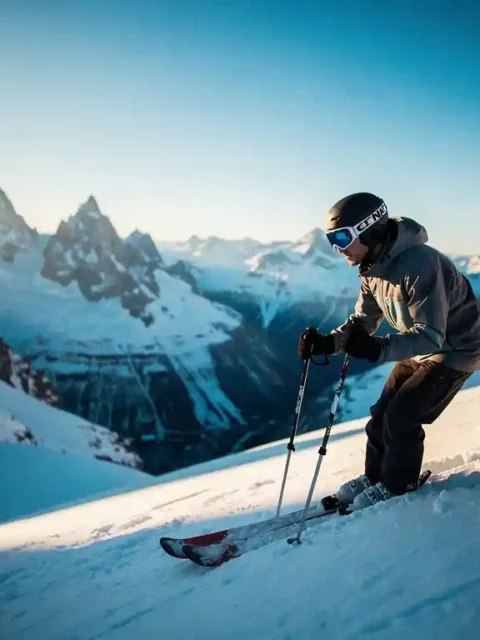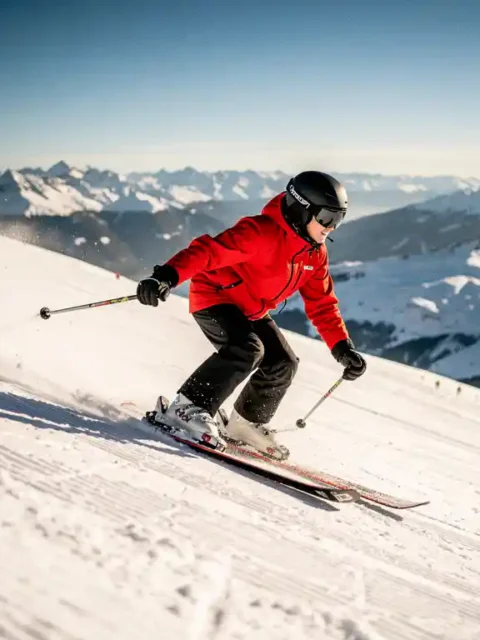

What is a green run?
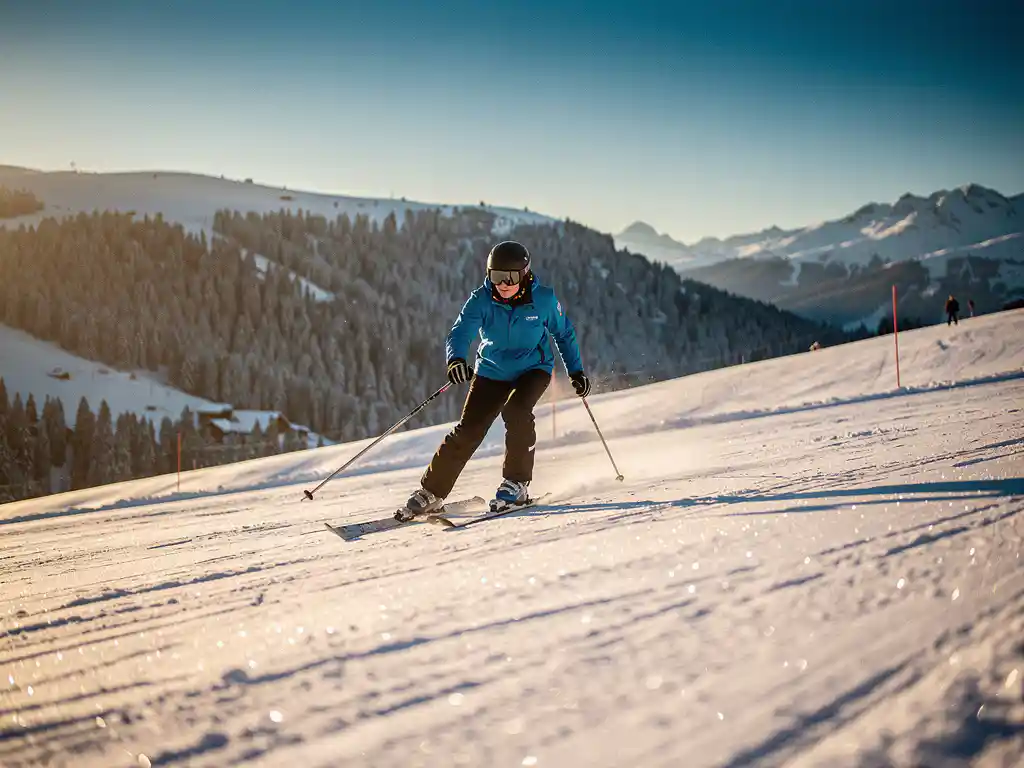
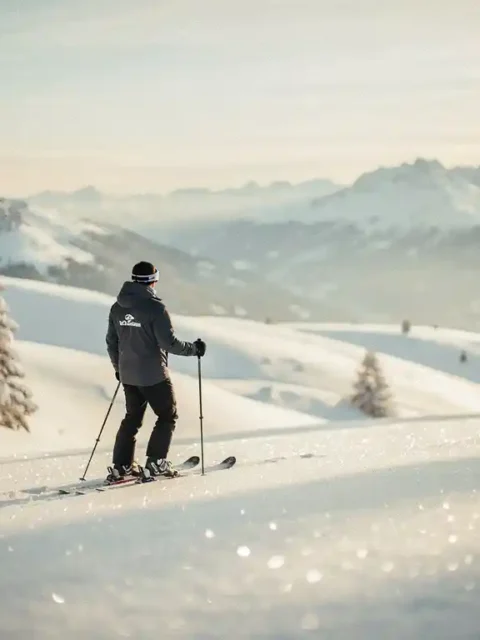
A green run is the easiest category in the color-coded system used to classify ski slopes. These are wide, gentle slopes with a low gradient, designed specifically for complete beginners who are putting on skis for the very first time. Green runs are ideal for practicing basic skills such as braking, turning, and keeping your balance, without being immediately faced with a steep slope. In this article, we answer the most frequently asked questions about green runs, from difficulty level to knowing when you’re ready to move on to the next step.
How difficult is a green run for beginners?
A green run is designed to be the easiest slope a ski resort has to offer. The gradient is minimal, the speed is low, and the width is generous enough to maneuver comfortably. For complete beginners, a green run will still feel like a challenge — but that’s exactly the point: it’s the perfect place to learn.
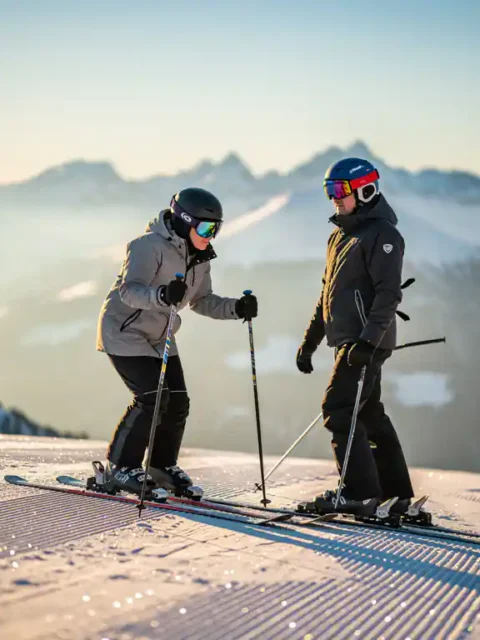
On a green run, you learn the fundamentals of skiing without being overwhelmed by speed or steepness. Think basic exercises like the snowplow (pizza wedge), shifting your weight, and coming to a controlled stop. Most beginners already feel significantly more confident on these kinds of slopes after just a few hours of lessons.
That said, “easy” is relative. If you’re putting on skis for the first time, even the gentlest slopes can feel daunting. That’s completely normal. A good ski instructor will guide you through the early stages step by step, helping you build confidence at a safe pace.
Which countries use the color-coded run system?
The color-coded run system — using green, blue, red, and black to indicate difficulty levels — is used in most European ski resorts. Countries such as Austria, Switzerland, France, Italy, and Germany all use this system, though there are minor differences from country to country.
In France, the system officially starts with green as the easiest category. In Austria and Switzerland, the color system often starts at blue, with green runs being less common or designated as “Übungsgelände” (practice areas). This means that ski run color explanations can vary slightly by country, even though the underlying logic is the same everywhere.
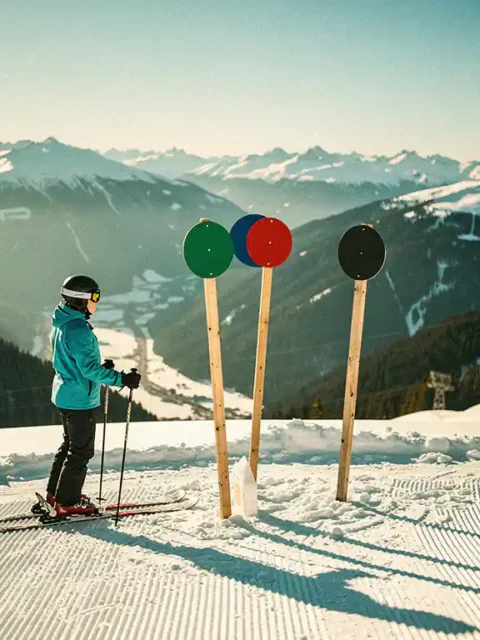
Outside Europe, countries such as the United States and Canada use a different system, with green circles, blue squares, and black diamonds. So if you’re skiing outside the Alps, it’s worth taking a moment to familiarize yourself with the local markings.
What is the difference between a green and a blue run?
The main difference between a green and a blue run lies in the steepness and the level of skill required. A green run has an average gradient of less than 25%, while a blue run is slightly steeper and demands greater control over speed and direction.
On a green run, you can focus entirely on practicing basic skills. On a blue run, you’re expected to already know how to brake, turn, and manage your speed. Blue runs are still accessible to beginners who have had a few lessons, but they require more confidence and technical ability.
A useful way to think about the difference: on a green run you glide gently down the slope, while on a blue run you need to actively steer to stay in control. For someone just starting out, that difference is enormous. So don’t rush to move on to blue, even if green starts to feel familiar quickly.
Do all ski resorts have green runs?
Not all ski resorts have officially designated green runs. This is an important point for beginners when choosing a winter sports destination. In Austria and Switzerland in particular, green runs are less standard than in France, for example, where they are a fixed part of every resort’s offering.
In resorts without green runs, beginners are often guided on dedicated practice areas or “Kinderland” zones. These are enclosed areas with a minimal gradient, sometimes equipped with moving carpet lifts (magic carpets) instead of chairlifts. Functionally, these zones are comparable to green runs, but they are not always shown as official runs on the trail map.
As a beginner choosing a ski resort, it’s a good idea to check in advance whether green runs or practice areas are available. Well-known beginner-friendly resorts in the Alps include Zell am See in Austria, Les Gets in France, and Saas-Fee in Switzerland.
How long does it take to ski down a green run independently?
Most beginners are able to ski down a green run on their own after one to two days of ski lessons. How long it takes exactly depends on your physical fitness, your sense of balance, and how quickly you pick up the basic skills. Some people feel confident on the slope after half a day; others need a little more time.
Skiing down a green run independently doesn’t mean you ski perfectly. It means you’re able to control your speed, stop when you want to, and make it from the top to the bottom without falling. That’s a realistic goal for the end of your first or second day of lessons.
The quality of instruction also affects your progress. With a good ski instructor who adapts to your learning style, you’ll advance much faster than if you try to figure it out on your own. Group lessons are great for the social aspect and cost, while private lessons offer the fastest personal progression.
When are you ready for a more difficult run?
You’re ready for a more difficult run when you can ski down a green run consistently and in control — including stopping with a brake, turning in a controlled manner, and adjusting your speed to the situation. You don’t need to be perfect, but you should feel that green runs are no longer a challenge.
A few concrete signs that you’re ready for blue:
- You can ski down a green run without falling or panicking
- You can deliberately adjust your speed by turning and braking
- You feel comfortable on the lift and when getting on and off
- Your ski instructor tells you that you’re ready for the next step
- You’re craving more of a challenge and feel ready for a slightly steeper slope
Always listen to your instructor and don’t rush the move to a harder run. Building a solid foundation on green will make you a far better skier in the long run. There’s no need to hurry — the mountains aren’t going anywhere.
How Ski-Pro helps you find the right ski lessons
As a beginner, you don’t just want to know what a green run is — you want to know how to feel confident on one as quickly as possible. That’s exactly where we come in. Through our platform, you can easily compare and book ski lessons with more than 250 certified ski schools and instructors in the Alps. Whether you choose a group lesson in Tyrol or a private lesson in the French Alps, we make it straightforward.
What we do for beginners:
- Compare ski schools by location, price, and level (including beginner lessons)
- Choose between group lessons or private lessons based on your preferences and budget
- Check availability and book directly online, hassle-free
- Find ski schools in beginner-friendly resorts with green runs and practice areas
Ready to plan your first snow adventure? Compare and book your ski lessons through our platform and make those first wonderful turns on the green run with a smile on your face.
Frequently Asked Questions
Do I need to buy ski boots and skis before trying a green run?
No, as a beginner it’s much wiser to rent your equipment rather than buy it right away. Most ski resorts and ski schools offer complete rental packages that include skis, boots, and poles. That way, you can first find out whether skiing is right for you before making a big investment.
Is it mandatory to take ski lessons on a green run, or can I teach myself?
Technically, ski lessons aren’t mandatory, but they are strongly recommended for beginners. A certified ski instructor will teach you the correct technique from the very start, helping you progress faster and avoid injuries. Trying to teach yourself on a green run can lead to picking up bad habits that are difficult to unlearn later on.
What should I wear when I'm on a green run for the first time?
In addition to ski equipment, you’ll need at minimum a ski helmet, ski gloves, waterproof ski pants, and a warm, waterproof jacket. A ski helmet is mandatory in many ski resorts and always strongly recommended, especially for beginners. Ski goggles or sunglasses and good thermal base layers provide extra comfort and protection against cold and wind.
Can adults learn to ski well, or is it more of a thing for kids?
Absolutely — adults can learn to ski at any age. Children may pick it up slightly faster due to their lower center of gravity and less fear, but adults have the advantage of greater body awareness and concentration. With the right guidance through a private lesson or beginner course, adults can feel confident on the green run within just a few days.